The Art of Aquascaping: Transforming Your Aquarium into a Living Masterpiece
In the world of aquarium keeping, tank decoration goes beyond mere aesthetics—it becomes an art form that reflects both the keeper’s personality and their understanding of aquatic ecosystems. The right decor can transform a simple glass box into a thriving underwater landscape.
This guide explores how to create visually stunning aquascapes while maintaining optimal conditions for your aquatic inhabitants. Whether you’re a beginner or seasoned hobbyist, these principles will help you achieve harmony between beauty and functionality.
Understanding the Principles of Aquascaping
Aquascaping is not simply about adding plants and rocks. It requires careful consideration of visual balance, depth perception, and natural flow patterns. A well-designed aquarium should mimic nature’s complexity without appearing cluttered.
One fundamental principle is the use of perspective through layering elements at different depths. This creates a sense of distance similar to what we experience when looking across a forest floor.
- Foreground: Low-growing plants and small decorative items add texture and movement near the front glass.
- Middle ground: Medium-sized plants and driftwood provide structure and focal points within the tank.
- Background: Tall plants and larger decorations establish depth and frame the entire composition.
Selecting Appropriate Decorative Elements
Choosing the right materials is crucial for creating a cohesive look. Natural elements like live plants, wood, and stones often produce the most authentic results compared to artificial alternatives.
You must consider compatibility with your fish species. Some tropical fish prefer open spaces, while others thrive among dense vegetation. Researching your particular species’ preferences ensures your design supports their behavior.
Evaluating Material Options
Natural materials offer unique textures but require special care. Live plants need appropriate lighting and nutrients, whereas driftwood may leach tannins that affect water chemistry. These factors influence long-term maintenance requirements.
Synthetic options are easier to maintain but lack the dynamic growth characteristics of living plants. They also don’t contribute to oxygen production or algae control as effectively as natural elements do.
Creativity Through Layout Design
Your layout choices define the overall aesthetic theme. There are several popular styles ranging from lush jungles to minimalist rock formations, each offering distinct visual experiences.
Consider the size and shape of your tank when choosing a style. Rectangular tanks lend themselves well to linear designs, while round or oval shapes work best with flowing, organic layouts.
- Jungle Style: Dense planting with minimal hardscape elements creates a vibrant green space.
- Riverbed Style: Focuses on realistic riverbank features using sand substrates and smooth stones.
- Iwagumi Style: Japanese-inspired design emphasizing rock placement and minimal plant life.
Essential Techniques for Building Depth
Creating illusionary depth involves strategic placement of objects based on scale and proportion. Larger pieces placed towards the back recede visually, while smaller ones appear closer when positioned near the foreground.
Using varying heights helps break up flatness. Stacking rocks in decreasing sizes from back to front mimics mountain ranges seen in nature. Similarly, arranging plants by height adds dimensionality to any aquascape.
Lighting Considerations for Underwater Landscapes
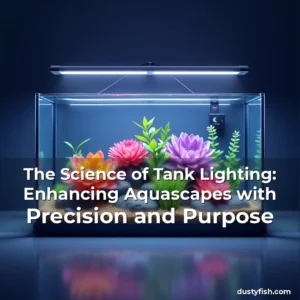
Proper lighting is essential not only for plant health but also for enhancing visual appeal. Different light spectrums highlight various colors in your décor, making some elements stand out more than others.
LED systems allow precise control over intensity and color temperature. Cool white lights emphasize blue tones in corals and certain minerals, while warmer hues bring out greens in foliage and browns in driftwood.
- Luminance Control: Adjust brightness levels according to your plants’ needs without overpowering the scene.
- Color Temperature: Choose Kelvin values that complement your chosen color palette—typically between 6500K-8000K for most setups.
Fish Behavior and Spatial Requirements
Your selection of livestock significantly impacts your decorating strategy. Territorial species need ample hiding spots and territories, while schooling fish benefit from wide-open areas where they can swim together comfortably.
Breeding tanks have special considerations too. Providing suitable nesting sites and sheltered areas increases chances of successful reproduction while minimizing stress during sensitive periods.
Maintaining Balance Between Beauty and Functionality
An effective aquascape harmonizes visual impact with biological function. Every element serves dual purposes—providing habitat for aquatic life while contributing to the artistic vision.
Live plants act as natural filters by absorbing nitrates and producing oxygen. Driftwood offers refuge for shy fish species while slowly releasing beneficial compounds into the water column.
Promoting Water Quality Through Strategic Placement
Thoughtful arrangement enhances filtration efficiency. Positioning filter outlets so currents flow naturally through planted areas improves circulation without disturbing delicate specimens.
Plant roots help stabilize substrate while preventing erosion caused by strong water movement. This natural anchoring system reduces maintenance needs and promotes healthier root development.
Enhancing Visual Appeal with Color Coordination
Strategic use of color dramatically affects mood and atmosphere. Complementary color schemes create striking contrasts, while analogous combinations produce soothing effects ideal for relaxation zones.
Terracotta accents paired with dark woods evoke earthy tones reminiscent of wetlands. Conversely, bright coral-colored decorations energize the environment perfect for active communities.
Long-Term Care and Maintenance Strategies
Sustainable aquascaping requires regular upkeep to preserve its integrity. Monitoring pH levels, nutrient availability, and waste accumulation prevents potential issues before they become problematic.
Pruning routines ensure continued growth without overcrowding. Trimming dead leaves maintains appearance while promoting new shoots that enhance overall vitality.
Community Engagement and Inspiration Sources
Engaging with fellow enthusiasts provides invaluable learning opportunities. Online forums and local clubs share techniques, troubleshoot challenges, and showcase remarkable creations that inspire innovation.
Participating in contests fosters creativity while receiving constructive feedback from experienced members who understand the intricacies involved in advanced aquascaping practices.
Conclusion
Aquascaping transforms standard aquariums into captivating underwater worlds that reflect personal expression and ecological awareness. By applying these principles thoughtfully, every creation becomes uniquely yours.
Whether aiming for serene landscapes or dynamic environments, remember that patience and continuous learning lead to extraordinary results. With dedication, your aquatic masterpiece will flourish year after year.

news is a contributor at DustyFish.com. We are committed to providing well-researched, accurate, and valuable content to our readers.