


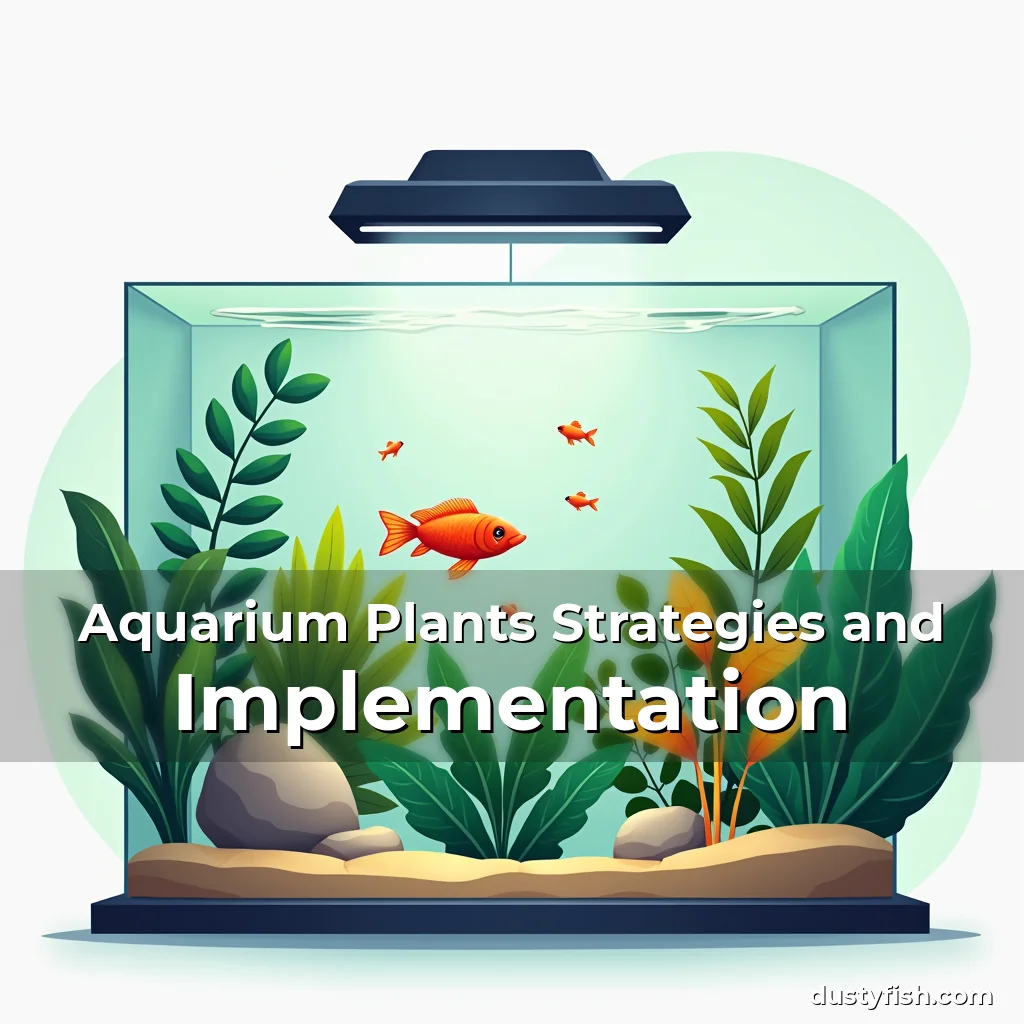
The Living Tapestry of Aquascaping: A Deep Dive into Aquarium Plant Selection and Care
In the shimmering world beneath the surface of an aquarium lies a hidden ecosystem where aquatic flora plays a vital role. From the delicate fronds of Java moss to the bold presence of Amazon swords, aquarium plants are not merely ornamental; they form the backbone of a thriving underwater habitat.
This exploration delves into the art and science of selecting, cultivating, and maintaining these botanical wonders. Whether you’re a novice aquarist seeking guidance or a seasoned hobbyist refining your skills, understanding the intricacies of aquarium plant life is essential for creating a balanced and visually stunning aquatic environment.
The Role of Plants in a Thriving Aquarium Ecosystem
Aquatic plants serve as more than just aesthetic enhancements within the confines of an aquarium. They play critical ecological roles that contribute significantly to water quality management through natural filtration processes. By absorbing excess nutrients from fish waste and uneaten food, plants help prevent algae overgrowth while simultaneously oxygenating the water via photosynthesis.
Moreover, established vegetation provides crucial shelter and breeding grounds for various aquatic species, including fry, shy bottom-dwellers, and even some predatory fish that utilize dense foliage for ambush tactics. This symbiotic relationship fosters biodiversity by supporting different niches within the tank’s microcosm.
The root systems of many submerged plants also act as biological filters by trapping particulate matter before it can settle at the substrate level. These roots encourage beneficial bacteria colonies which further aid in nitrification cycles necessary for maintaining stable ammonia levels in the system.
- Nutrient Absorption: Aquatic plants absorb nitrates, phosphates, and other dissolved minerals present in the water column during their growth phases.
- Oxygenation: Through photosynthesis, plants release oxygen into the water when exposed to light sources such as LED panels or compact fluorescent lamps.
Additionally, certain types of floating plants offer shade control capabilities that regulate temperature fluctuations inside enclosed tanks without requiring additional cooling mechanisms. This natural shading effect proves particularly useful during summer months when ambient room temperatures rise beyond optimal ranges.
By incorporating diverse plant species strategically placed across different zones—foregrounds filled with carpeting mosses, midground areas occupied by taller stalked varieties, and background regions dominated by larger leafy specimens—you create layered habitats mirroring natural ecosystems found in freshwater environments worldwide.
Selecting the Right Species for Your Tank Environment
Choosing appropriate aquatic plant species requires careful consideration of several factors including lighting intensity, nutrient availability, CO₂ supplementation methods, and compatibility with existing livestock inhabitants. Each type possesses distinct requirements regarding illumination needs ranging from low-light tolerance in Anubias species up to high-intensity demands seen in Red Ludwigia cultivars.
Beyond basic environmental parameters, evaluating potential candidates based upon their propagation ease becomes equally important since some fast-growing genera may outcompete slower-growing counterparts unless regularly pruned back manually or using automated trimming tools designed specifically for this purpose.
To ensure successful integration into any given setup, research should initially focus on identifying which combinations work well together considering both visual appeal aspects alongside functional benefits provided by each individual genus selected.
For instance, combining foreground carpets made from Glossostigma elatinoides with midground fern-like structures formed by Cryptocoryne wendtii creates aesthetically pleasing depth perception effects similar to those observed naturally along riverbanks or lake margins.
Establishing harmonious groupings often involves experimenting with varying densities depending on desired aesthetics—from tightly packed arrangements emphasizing geometric patterns toward more loosely spaced layouts mimicking wild swamp landscapes teeming with wildlife activity.
Evaluating Light Requirements Across Different Botanical Types
Different plant species exhibit varying degrees of sensitivity towards artificial illumination intensities typically measured in Photosynthetic Photon Flux Density (PPFD) units expressed per square meter. Low-light plants like Java Ferns thrive under standard daylight conditions comparable to what might be experienced outdoors around noon hours whereas high-light demanding varieties require specialized grow lights emitting wavelengths optimized for chlorophyll absorption efficiency rates exceeding typical household bulb outputs.
Measuring actual PPFD values accurately necessitates utilizing calibrated sensors capable of detecting spectral distribution characteristics rather than relying solely upon lumens measurements commonly used in retail settings due to inaccuracies inherent within consumer-grade devices lacking precise photometric calibration standards.
Certain advanced setups incorporate programmable timers allowing users to adjust daily exposure durations according to circadian rhythms exhibited by nocturnal organisms cohabiting within shared enclosures thereby promoting synchronized behavior patterns among all occupants irrespective of their respective origins.
When transitioning between lighting regimes involving changes in spectrum composition or duration length adjustments care must always be taken ensuring gradual acclimation periods suffice so sudden shifts do not induce stress responses leading potentially catastrophic outcomes such as rapid decay events affecting entire planted communities overnight.
Nutritional Needs & Supplementation Strategies
Optimal development relies heavily upon consistent supply lines feeding essential macronutrients required throughout active growing seasons. While tap water occasionally contains trace amounts sufficient for minimal maintenance scenarios prolonged reliance solely upon passive uptake channels risks deficiencies manifesting over time especially noticeable amongst rapidly expanding colonies experiencing exponential phase expansions characteristic of younger shoots undergoing cell division processes.
To mitigate against such issues most conscientious aquascape enthusiasts implement targeted fertilization schedules employing either liquid dosing techniques distributing micronized elements evenly throughout bulk volumes or alternative approaches featuring root tabs inserted directly adjacent base structures offering localized enrichment zones benefitting particular morphological features dependent upon vascular architecture differences distinguishing various taxa categories.
Fertilizers come packaged in numerous forms catering to differing preferences concerning application methodologies although indiscriminate usage remains strictly discouraged lest accidental overdosing results in algal blooms consuming available resources intended primarily for desired greenery populations instead diverting energy towards undesirable filamentous growth formations detrimental overall equilibrium states maintained through deliberate cultivation practices.
Monitoring nitrate/nitrite ratios frequently becomes imperative whenever implementing new supplement protocols since imbalances could lead unexpected complications arising from disrupted nitrogen cycle dynamics negatively impacting long term stability projections associated with sustained productivity levels expected from matured biomes fully integrated within closed-loop recirculating frameworks.
Supplemental calcium infusions sometimes prove advantageous enhancing structural integrity reinforcing cellular walls preventing premature collapse incidents occurring particularly prevalent among soft-leaved monocots prone exhibiting wilting symptoms indicative insufficient mineral concentration thresholds failing support metabolic functions efficiently.
CO₂ Injection Systems and Their Impact on Growth Rates
Carbon dioxide injection stands as pivotal factor influencing developmental trajectories observable within cultivated aquatic gardens. Elevated concentrations facilitate accelerated biomass accumulation enabling attainment heightened saturation points previously unattainable under ambient atmospheric pressures alone limiting carbon fixation efficiencies achievable through mere diffusion mechanisms operating passively reliant random molecular motion principles governing gas exchange phenomena.
Variations exist among mechanical delivery apparatuses designed accomplish task delivering precise quantities controlled via adjustable valves connected tubing networks terminating needle injectors positioned strategically near intake points maximizing dispersion effectiveness minimizing bubble formation contributing turbulence disrupting laminar flow profiles desirable sustaining ideal hydrodynamic conditions conducive robust plant physiology expressions.
Automated controllers equipped pH/alkalinity monitoring probes enable dynamic feedback loops adjusting dosage frequencies proportionally reacting real-time data inputs guaranteeing perpetual balance maintained without human intervention facilitating continuous operation cycles spanning extended durations eliminating necessity manual oversight traditionally required conventional analog systems suffering limitations imposed fixed interval timing constraints.
Despite technological advancements simplifying installation procedures initial investment costs remain considerable barrier deterring casual hobbyists preferring minimalist approaches favoring naturalistic strategies leveraging CO₂ production generated through biological decomposition activities occurring within decaying organic matter deposits situated substrate layers providing sustainable internal reserves replenishing depleted stocks gradually overtime.
However caution advised whenever contemplating implementation external pressurized cylinders containing compressed gases since improper handling may result hazardous situations posing fire/explosion risks coupled potential health hazards inhalation concentrated vapours escaping compromised seals prompting immediate evacuation protocols until safety assurances restored through professional servicing conducted certified technicians adhering strict industry regulations.
Propagation Techniques and Maintenance Practices
Maintaining lush greenery requires regular pruning sessions aimed keeping unchecked expansion under control preserving visual harmony throughout evolving layouts reflecting personal artistic visions translated physical manifestations occupying three dimensional spaces confined glass vessels serving dual purposes both decorative displays scientific study platforms exploring ecological interactions occurring miniature worlds encapsulated transparent boundaries.
Trimming involves selectively removing senescing leaves displaying yellowish discoloration signs aging tissues preparing replacement growth cycles rejuvenating affected nodes stimulating lateral branching increasing density coverage reducing gaps exposing bare substrates vulnerable colonization opportunistic invaders threatening established order achieved painstaking efforts nurturing vibrant living tapestries composed interwoven threads representing countless generations microscopic organisms perpetuating cyclical renewal processes fundamental sustaining life itself regardless scale existence whether macroscopic visible eye microscopic invisible realm.
Potential challenges arise managing aggressive growers whose expansive tendencies threaten overshadow dominant feature plants necessitating frequent interventions curbing rampant proliferation restricting spread invasive species consuming excessive resources depriving less vigorous neighbors essential sustenance required survival competition driven selection pressures shaping future compositions dictated evolutionary forces acting over extended timelines.
One effective strategy involves dividing clumps periodically separating rhizome segments transplanting divisions fresh locations promoting genetic diversity strengthening population resilience adapting changing conditions encountering novel variables challenging previous assumptions held about stability permanence attained through static configurations resistant alteration except intentional modifications executed conscious decisions aligning desires objectives pursuing specific goals defined outset projects embarked upon.
Furthermore, propagating cuttings offers viable solution replicating favorite specimens accelerating establishment phases circumventing lengthy germination periods typical seedlings requiring patience waiting weeks observing incremental progress tracking milestones measuring success criteria determining readiness transplantation integrating newcomers seamlessly existing ecosystems fostering cohesion unity among disparate components united common purpose mutual enhancement benefiting collective well-being prosperity shared environment.
Troubleshooting Common Issues in Planted Tanks
Even the most meticulously planned aquarium setups encounter occasional hiccups that challenge even experienced aquarists. Identifying underlying causes behind discolored foliage, stunted growth, or unexpected die-offs becomes paramount in restoring vitality to otherwise healthy aquatic landscapes.
Yellowing leaves often indicate nutrient deficiencies stemming from either inadequate fertilizer dosing or imbalanced elemental ratios. Monitoring weekly water parameter readings helps pinpoint missing compounds such as iron, magnesium, or potassium that directly influence chlorophyll synthesis and overall pigmentation stability within leaf cells.
Sudden browning patches appearing on once-vibrant greens signal possible overexposure to intense lighting conditions or fluctuating pH levels disrupting enzymatic reactions crucial for normal metabolic functioning. Adjusting photoperiod lengths and verifying buffer capacities maintain consistent alkaline reserves safeguarding against abrupt chemical shifts harming sensitive plant tissues.
Algae outbreaks, while sometimes viewed as problematic, can actually provide early warning signals about nutrient surplus conditions warranting corrective action. Scrutinizing phosphate and nitrate levels assists in diagnosing excess feedings or poor filter performance needing recalibration of mechanical media compartments housing biofiltration matrices responsible detoxifying harmful substances accumulating waste products from biological load exerting pressure purification systems.
If specific areas show signs distress despite uniform treatment protocols being applied consistently across entire system, isolating affected regions enables focused investigation revealing localized disturbances possibly caused by uneven circulation patterns or partial blockages impeding adequate nutrient transport reaching remote corners neglected routine maintenance tasks.
Designing Visually Striking Layouts with Aquatic Flora
Creating captivating underwater scenes hinges upon thoughtful arrangement choices blending aesthetic considerations practical necessities into cohesive designs echoing nature’s own artistic sensibilities. Selecting complementary color palettes enhances visual impact transforming sterile environments into immersive experiences evoking emotions reminiscent tranquil forest glades serene coastal vistas.
Layering techniques mimic natural stratifications evident terrestrial landscapes forming depth perception illusions augmenting spatial awareness within limited dimensions. Utilizing contrasting textures juxtaposes fine-textured mosses against broad-leafed specimens generating dynamic focal points drawing viewer attention guiding gaze journeys through intricate compositions unfolding progressive revelations appreciating nuances embedded within each carefully curated element.
Structural balance ensures stability prevents top-heavy configurations collapsing under weight gravity defying expectations through clever placement achieving equilibrium effortlessly perceived intuitive sense order amidst apparent chaos orchestrated deliberately. Incorporating natural driftwood pieces or rock formations anchors compositions anchoring thematic narratives rooted authenticity wilderness themes celebrating untamed beauty raw materials shaped by time weathering processes imparting character richness stories told silently yet profoundly.
Rhythm and repetition introduce musicality movement within static images creating kinetic impressions captured stillness. Repeating patterns fashioned through meticulous spacing arrangements generate hypnotic sequences mesmerizing observers entranced swirling currents flowing ceaselessly though frozen frames capturing ephemeral moments crystallized eternity.
Ultimately, successful aquascapes reflect personal expression translating inner landscapes outer realities symbolizing aspirations dreams manifested tangible forms accessible touch sight scent sensations stirring memories forging connections transcending barriers language culture uniting humanity universal love appreciation natural world’s enduring mysteries.
Conclusion
Mastering the art of aquarium plant cultivation opens doors to endless creative possibilities, allowing hobbyists to transform simple tanks into breathtaking underwater masterpieces. The journey begins with understanding the complex relationships between plant species, water chemistry, and aquatic life.
Whether aiming for a peaceful nano reef or a sprawling jungle scene, every choice contributes to the symphony of life within the tank. With dedication, knowledge, and a bit of imagination, anyone can cultivate a thriving aquatic garden that brings joy and fascination for years to come.


news is a contributor at DustyFish.com. We are committed to providing well-researched, accurate, and valuable content to our readers.
You May Also Like

Best Aquarium Tips and Strategies
The Ultimate Dive Into Aquatic Living: A Comprehensive Guide to Aquariums Welcome to the vibrant world of aquarium keeping, where...
Aquarium for Beginners: Getting Started
The Enchanting World of Aquariums: A Journey Through Underwater Beauty In an age where digital screens dominate our attention spans,...

How to Choose Aquarium: Expert Guide
How to Choose Aquarium: Expert Guide Aquariums bring beauty, serenity, and a touch of nature indoors, transforming spaces into living...
Advanced Aquarium Plants Techniques and Methods
The Living Canvas: Transforming Your Aquarium with Aquatic Plants In the realm of aquatic ecosystems, aquarium plants serve as both...