


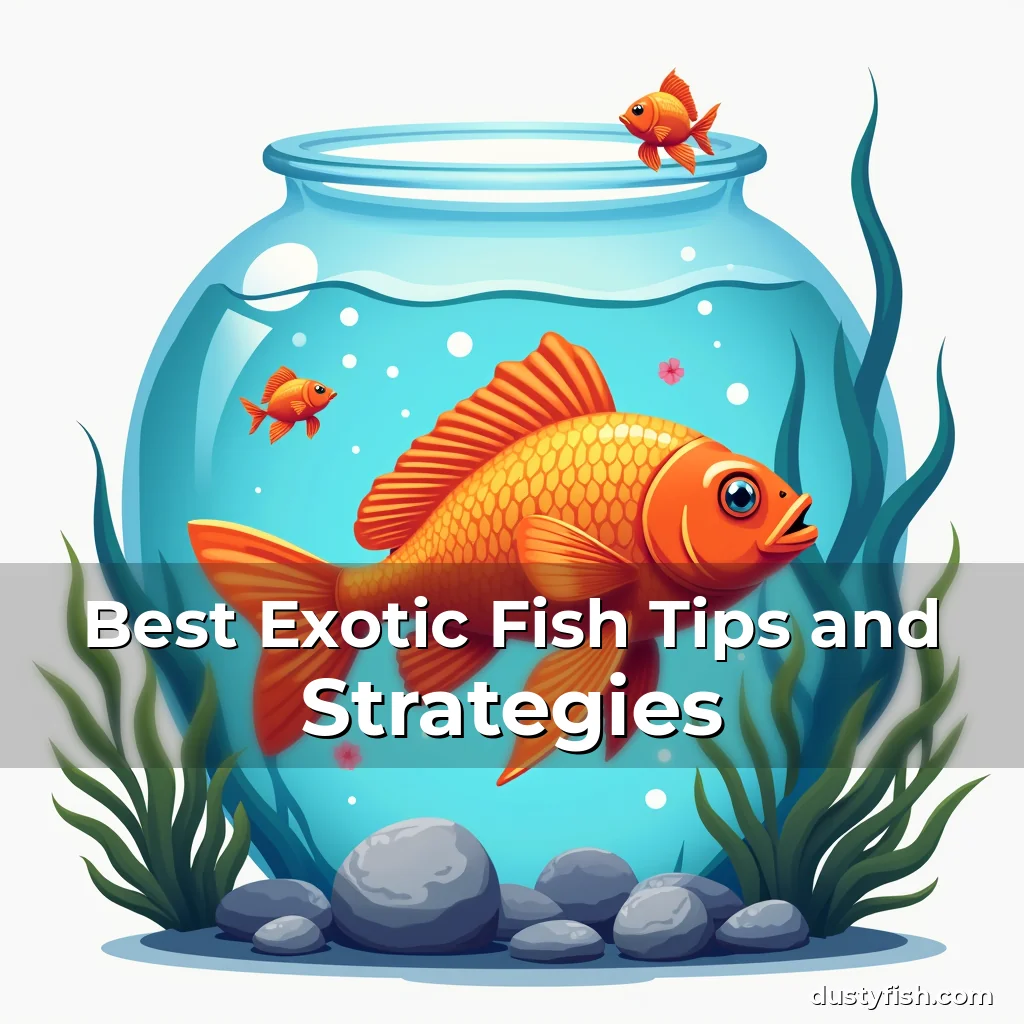
Discovering Hidden Treasures: A Deep Dive into Exotic Fish Species
The world of aquatic life holds wonders beyond the familiar goldfish and bettas, offering vibrant, mysterious creatures known as exotic fish. These captivating species thrive in diverse environments—from sunlit coral reefs to shadowy riverbeds—and often possess striking colors, unusual behaviors, and complex social structures.
For aquarium enthusiasts and conservation advocates alike, understanding and caring for exotic fish opens doors to new experiences. Whether you’re seeking rare specimens or simply fascinated by nature’s oddities, delving into this realm promises both challenge and reward.
Understanding What Makes a Fish ‘Exotic’
Exotic fish refers to non-native or rare aquatic species that stand out due to their appearance, habitat, or behavior. While definitions may vary, most experts agree that exotics include species not commonly found in local pet stores or backyard ponds.
These fish often originate from remote locations, such as the Amazon Basin, Southeast Asian jungles, or deep-sea trenches. Their uniqueness stems from evolutionary adaptations to extreme conditions, resulting in features like bioluminescence, armored scales, or specialized feeding habits.
Some examples of exotic fish include the neon tetra, which glows with electric blue hues; the anglerfish, equipped with a glowing lure to attract prey; and the mandarin dragonet, whose intricate patterns mimic seaweed for camouflage.
- Geographic rarity: Many exotics live in isolated ecosystems, making them difficult to collect or study.
- Economic value: High demand among collectors drives prices upward, sometimes leading to overharvesting.
- Biodiversity importance: Exotic species contribute to ecological balance in their native habitats, even when unfamiliar to outsiders.
Before pursuing any exotic fish, research its origin and impact on local wildlife. Responsible ownership ensures these treasures remain protected rather than exploited.
Top Exotic Fish Species Worth Knowing
Aquarium hobbyists frequently seek out eye-catching varieties, and several exotic fish rank high in popularity for their beauty and intrigue. Among the most sought-after are the discus, known for its shimmering colors and peaceful demeanor.
Other notable choices include the rainbow shark, which displays bold red-and-black markings and territorial tendencies, and the gourami family, featuring labyrinth fish capable of breathing atmospheric air.
While visual appeal draws many to exotics, temperament and compatibility matter greatly. Some species require spacious tanks or specific dietary needs, demanding careful consideration before acquisition.
- Discus: Thrives in warm, soft-water environments; ideal for experienced aquarists.
- Rainbow Shark: Aggressive towards conspecifics; best kept singly or in well-planted setups.
- Labyrinth Fish: Can survive low-oxygen conditions; suited for beginners with basic filtration systems.
Consulting online forums or joining enthusiast groups can provide firsthand accounts of care challenges and success stories. This communal wisdom proves invaluable when selecting your next aquatic companion.
Habitat Requirements for Exotic Aquatic Life
Creating suitable living spaces for exotic fish demands meticulous attention to environmental factors. Unlike common pets, many exotics evolved in highly specialized niches that mirror their natural homes.
Water temperature alone varies drastically across species. Coldwater exotics like the sturgeon prefer temperatures below 20°C (68°F), whereas tropical varieties such as the siamese fighting fish require consistently heated environments exceeding 25°C (77°F).
Tank Setup Essentials
Cycling your tank correctly prevents ammonia spikes that could harm sensitive exotics. Using biological filters populated with beneficial bacteria ensures stable nitrate levels, mimicking natural purification processes.
Lighting also plays a critical role—some species rely on UV exposure for vitamin synthesis, while others suffer stress from excessive brightness. Adjustable LED strips allow precise control over intensity and spectrum.
Decorations should reflect the animal’s origins whenever possible. Providing driftwood for cichlids or dense vegetation for shy species enhances comfort and reduces aggression among tankmates.
Feeding Habits and Nutritional Needs
Nutrition significantly impacts the health and longevity of exotic fish. Unlike standard flakes or pellets, many require varied diets rich in protein, vitamins, and minerals tailored to their biology.
Omnivorous exotics benefit from mixed feedings including brine shrimp, algae wafers, and commercial food designed for specific species. Carnivores like the predatory pufferfish need frequent servings of frozen or live prey.
Overfeeding poses serious risks, particularly for slow-metabolizing species prone to obesity. Establishing strict schedules and measuring portions helps avoid excess waste buildup in the tank.
- Schedule consistency: Feed once daily unless advised otherwise by expert guidelines.
- Variety importance: Rotate between different foods every few weeks to prevent nutritional deficiencies.
- Freshness matters: Always thaw frozen items completely before serving; never offer spoiled meals.
Supplemental calcium sources aid skeletal development in fry, while omega-3 fatty acids boost immunity against diseases. Consulting veterinary professionals specializing in aquatic animals provides personalized advice when needed.
Breeding Exotic Fish at Home
Breeding exotic fish presents both excitement and complexity for dedicated hobbyists aiming to preserve genetic diversity through captive propagation efforts. Successful reproduction depends heavily on replicating ideal mating conditions closely resembling those encountered naturally.
Spawning rituals differ widely among species—some lay eggs openly in plants, while others guard nests aggressively until larvae hatch. Identifying sex-specific traits beforehand facilitates pairing compatible partners.
Environmental triggers influence reproductive cycles significantly. Fluctuations in photoperiod length, pH shifts, or temperature changes might stimulate breeding instincts depending upon individual physiology.
- Gender identification techniques: Observe coloration differences, fin shapes, and behavioral cues exhibited exclusively by males/females.
- Conditioning methods: Gradually increase meal frequency prior to spawning season to optimize parental energy reserves.
- Incubation periods: Expect durations ranging from days to months based solely on species type.
Maintaining clean nursery areas free from predators increases survival rates dramatically post-hatching. Documenting progress aids future attempts by revealing successful strategies worth repeating.
Legal Considerations When Keeping Exotic Species
Possession laws governing exotic fish vary considerably worldwide, influenced largely by regional conservation policies aimed at preventing illegal trade practices harming vulnerable populations.
CITES regulations classify certain species requiring permits issued by national authorities overseeing international commerce activities involving endangered wildlife products.
Failing to comply with legislation could result in severe penalties—including fines or confiscation of animals held unlawfully—so verifying legality status precedes any purchase decision critically.
- Documentation requirements: Maintain records proving legitimate sourcing channels used during acquisitions.
- Transport restrictions: Adhere strictly to shipping protocols designed specifically for transporting living organisms safely.
- Permit validity timelines: Check expiration dates regularly since approvals typically last limited timeframes only.
Joining registered societies focused on ethical collecting promotes awareness surrounding sustainable approaches toward enjoying exotic fish responsibly without contributing negatively to biodiversity loss issues.
Community Engagement Within Exotic Fish Enthusiasts
Participating actively within communities centered around exotic fish enriches personal growth opportunities while fostering shared learning experiences among members facing similar challenges daily.
Online platforms host thriving discussions covering topics spanning disease prevention measures to innovative enclosure design innovations continually reshaping modern aquarium culture trends globally.
In-person gatherings enable face-to-face interactions where participants exchange hands-on techniques, troubleshoot problems together, and celebrate achievements attained collectively.
- Forum etiquette: Respect differing opinions presented respectfully even amidst disagreements arising occasionally.
- Event participation: Attend workshops showcasing latest advancements impacting hobbyist lifestyles positively.
- Knowledge sharing: Contribute insights gained personally benefiting fellow enthusiasts encountering comparable situations.
Engaging deeply within supportive networks strengthens overall appreciation for these remarkable creatures while cultivating friendships rooted firmly in mutual respect & admiration shown continuously throughout our journey exploring underwater realms filled abundantly with fascinating mysteries waiting patiently to be uncovered!
Conclusion
This guide explored various facets defining what makes exotic fish special, highlighting reasons why studying them brings immense satisfaction alongside potential difficulties inherent within ownership responsibilities.
Whether embarking initially onto adventurous paths discovering previously unknown worlds beneath waves OR merely expanding horizons further beyond current expertise limits, always prioritize thorough preparation ahead of taking action decisively whenever considering adding exotic companions permanently residing inside personal aquatic sanctuaries created lovingly.


news is a contributor at DustyFish.com. We are committed to providing well-researched, accurate, and valuable content to our readers.
You May Also Like

Exotic Fish vs Alternatives: Complete Comparison
Exotic Fish vs Alternatives: Complete Comparison The allure of exotic fish has captivated aquarium enthusiasts around the globe, offering a...
Exotic Fish for Beginners: Getting Started
The Enchanting World of Exotic Aquatic Wonders: A Beginner's Journey Into Uncommon Fish Species In recent years, the fascination with...
The Enigmatic Allure of Exotic Fish: Unveiling Hidden Oceans' Treasures
The Enigmatic Allure of Exotic Fish: Unveiling Hidden Oceans' Treasures In the vast tapestry of marine life, few subjects captivate...

Whale Migration Event in Fisch: A Comprehensive Guide
The Whale Migration Event is a popular and exciting feature in the popular Roblox game, Fisch. During this event, players...