


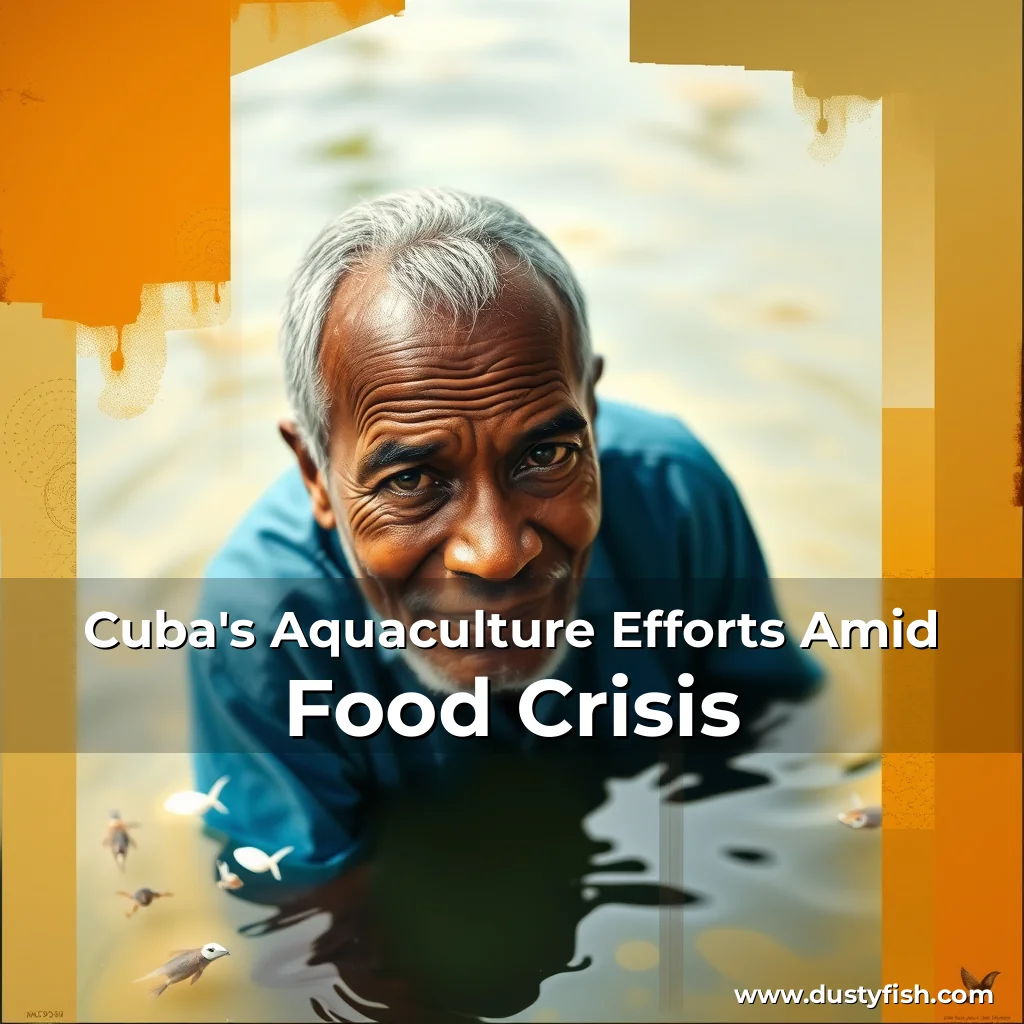
As the island nation grapples with severe food shortages, the Cuban government has been actively exploring alternative solutions to address the crisis. One such initiative involves the development of aquaculture, which has gained significant attention in recent times due to its potential to boost food production and alleviate hunger.
The visit of President Miguel Díaz-Canel to the ACUIPASO Base Business Unit in Bartolomé Masó, Granma province, serves as a notable example of this initiative. This facility, where various freshwater species are bred, including the claria, has been a key component of the state-backed effort to enhance alternative food production amidst scarcity of basic goods. During his visit, the president was joined by Roberto Morales Ojeda, a member of the Communist Party’s Political Bureau, along with provincial authorities, as they toured the facility to gain insight into its operations and the broader government strategy.
- ACUIPASO plays a crucial role in producing fish like the claria, a species introduced to Cuba for its resilience and rapid growth, although it has been controversial due to its environmental impact.
- The president’s visit is part of a broader government strategy to highlight productive projects across various provinces, a move aimed at increasing food production and addressing the growing concerns of citizens struggling to access basic goods.
- The government aims to increase fish consumption by 2030 through aquaculture, with proposals such as encouraging families to raise fish in neighborhood ponds to enhance nutrition.
Despite the push for such initiatives, experts and citizens alike have raised concerns about their immediate effectiveness. Given the structural issues, resource shortages, and the limited distribution of products to the wider populace, it is unclear whether these efforts will yield substantial results. Since 2022, the Cuban government has been working towards its numerous goals, including increasing fish consumption by 2030. A resident in the municipality of Consolación del Sur in Pinar del Río started breeding fish in a small pond on what appears to be his property in 2023. This initiative, as reported by local authorities, showcases the growing interest in aquaculture among citizens. However, despite the success of this example, the general public remains uncertain about the availability and accessibility of fish in their daily lives.
| Produce in 2024 | Sancti Spíritus province: 3,000 tons |
| Produce in 2023 | Sancti Spíritus province: 1,800 tons |
| Sancti Spíritus province: 30% |
Despite the statistics suggesting an increase in fish production, the reality is that this food is scarcely seen in retail networks or on local tables. The situation is mirrored across the nation, where citizens struggle to access basic goods due to inflation, declining imports, and the collapse of the national production infrastructure.
It is essential to examine the role of government initiatives in addressing food shortages in Cuba, and to assess their effectiveness in providing sustainable solutions.
The president’s visit to the ACUIPASO Base Business Unit highlights the government’s commitment to promoting alternative food production methods, such as aquaculture, as a means to alleviate hunger and food insecurity in the country.
The example of the resident in Consolación del Sur in Pinar del Río who started breeding fish in a small pond on his property demonstrates the growing interest in aquaculture among citizens. However, the broader question remains: will these efforts yield substantial results, or will they remain a mere token gesture in the face of severe food shortages?


news is a contributor at DustyFish.com. We are committed to providing well-researched, accurate, and valuable content to our readers.
You May Also Like

The Ocean's Most Deadly Fish
Beauty and Danger The ocean is often referred to as a vast and mysterious place, full of beauty and life....
Deadly Freshwater Predators
Freshwater habitats are a surprising and often overlooked realm of natural danger. Despite this, a variety of formidable predators lurk...

Hidden Dangers in the Reeling Waters of Southern California
More than 90% of Popular Freshwater Game Fish Contain Introduced Parasites In the fresh and scenic waters of Southern California,...
The Scottish Salmon Industry's Environmental and Animal Welfare Record
The Dark Side of the Industry The Scottish salmon industry has been accused of prioritizing profits over the environment and...