Fish Care Best Practices 2025

Artistic representation for Fish Care Best Practices 2025

Fish Care Best Practices 2025

Welcome to the ultimate guide to modern fish care designed specifically for members of the DustyFish community and fellow aquarists seeking expert advice. As underwater ecosystems become increasingly complex, understanding how to maintain healthy aquatic environments is essential.

This resource covers everything from choosing the right tank setup to advanced water chemistry techniques that ensure your aquatic companions thrive. Let’s dive into the world of responsible fishkeeping together.

The Foundation of Successful Fish Keeping

A solid foundation begins with selecting an appropriately sized aquarium that matches both your space and budget while providing enough room for fish to grow comfortably. Tank size plays a crucial role in maintaining stable water conditions which are vital for long-term fish health.

Overcrowding can lead to increased waste production, making it harder for filters to keep up with biological demands. Always research species compatibility before adding any new inhabitants to your tank environment.

  • Tank Size: Aim for at least 20 gallons as a minimum standard unless keeping smaller nano-species which might require less but still need adequate filtration capacity.
  • Cycle Time: Allow sufficient time—typically four weeks—for beneficial bacteria colonies to establish themselves through nitrogen cycling process before introducing livestock.

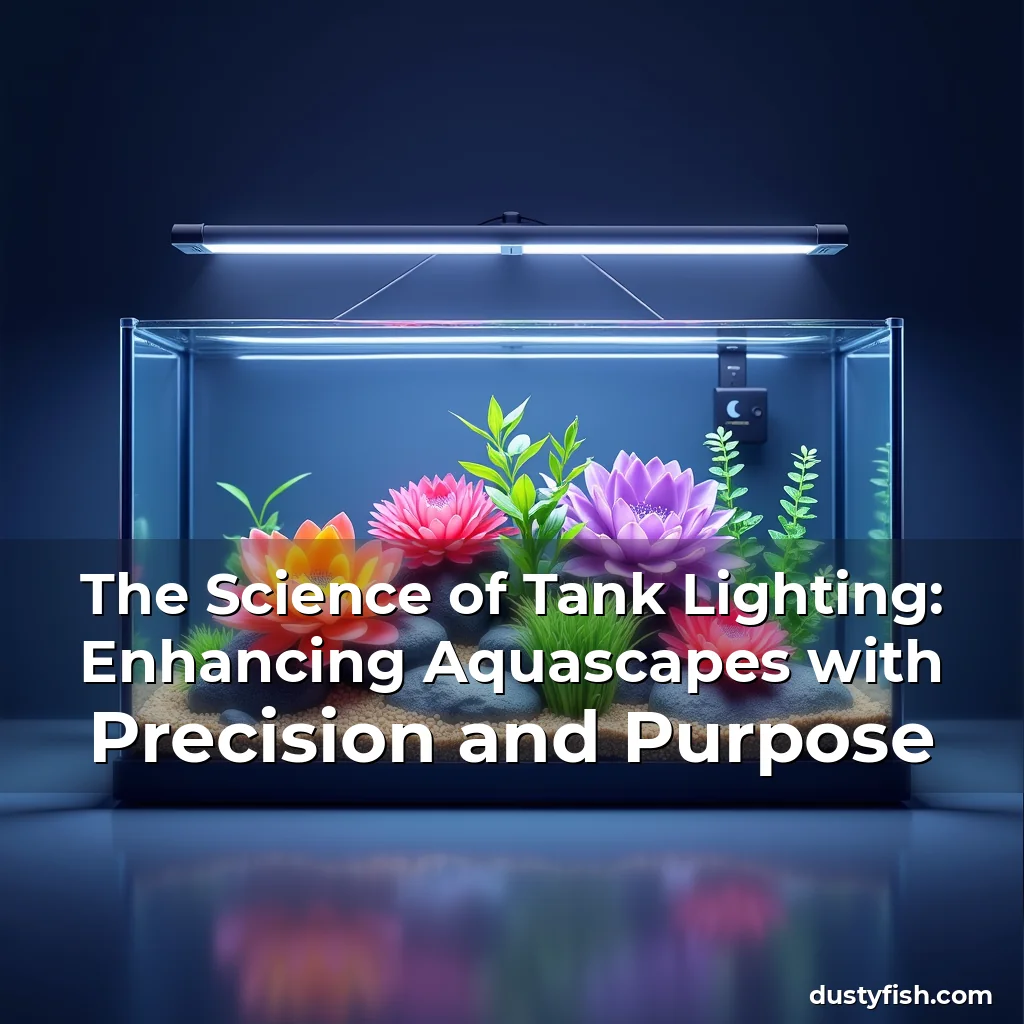
Proper lighting systems tailored towards specific plant needs help create natural day-night cycles promoting optimal growth patterns among aquatic flora and fauna alike.

Water Quality Management Essentials

Maintaining pristine water quality requires consistent monitoring using reliable test kits measuring key parameters such as ammonia, nitrite, pH levels, hardness values, and dissolved oxygen concentrations regularly.

Fluctuations in these readings even within acceptable ranges could signal underlying issues requiring immediate attention. Establishing routine testing schedules helps catch potential problems early before they escalate dangerously.

Daily partial water changes remain one of the most effective ways to dilute accumulated toxins and replenish trace minerals lost over time due to evaporation and biological consumption processes.

Experts recommend performing weekly water changes ranging between 20% to 30% depending upon stocking density and filter efficiency capabilities. Consistency here ensures better overall stability across all measured variables.

Investing in high-quality filtration equipment featuring mechanical, chemical, and biological media layers provides multi-stage purification ensuring cleaner clearer waters consistently.

Incorporating live plants significantly enhances water clarity by absorbing excess nutrients while also contributing oxygenation benefits improving habitat suitability for sensitive species.

Nutrition and Feeding Strategies

Providing balanced nutrition tailored toward each individual species’ dietary requirements forms another critical aspect of successful fishkeeping practices today.

Varying food sources including flakes, pellets, frozen foods, and occasional treats promotes healthier digestion and prevents nutrient deficiencies associated with monotonous diets.

Paying close attention to feeding frequency and portion sizes avoids overfeeding which leads to uneaten leftovers decomposing rapidly causing spikes in harmful substances like nitrates and phosphates levels.

Feeding sessions lasting approximately two minutes allow observation periods where you can gauge whether all individuals receive adequate meals without wastage occurring simultaneously.

Schedule feedings during daylight hours when most tropical fish exhibit active behaviors enhancing their ability to consume provided offerings efficiently rather than being startled mid-meal.

Supplemental vitamin treatments occasionally administered enhance immune function especially useful during stressful events like transport or seasonal shifts affecting metabolism rates differently amongst various genera.

Selecting Compatible Species

Carefully researching compatible species combinations reduces conflict risks minimizing stress factors detrimental to longevity prospects among cohabiting organisms.

Understanding behavioral traits such as aggression tendencies, territoriality inclinations, and schooling preferences enables informed decisions regarding suitable groupings within shared spaces.

Breeding pairs often require separate accommodations preventing unwanted offspring proliferation unless intentional breeding programs have been planned ahead sufficiently.

Some species produce mucus secretions irritating others; cross-referencing lists identifying known antagonistic interactions proves invaluable prior to finalizing tank populations.

Evaluating temperature tolerances ensures harmonious living arrangements avoiding situations where incompatible thermal requirements force compromises impacting overall wellbeing negatively.

Larger predatory fish may view smaller peaceful dwellers as prey necessitating strict separation protocols safeguarding vulnerable specimens from predation threats present elsewhere.

Creating Ideal Aquascapes

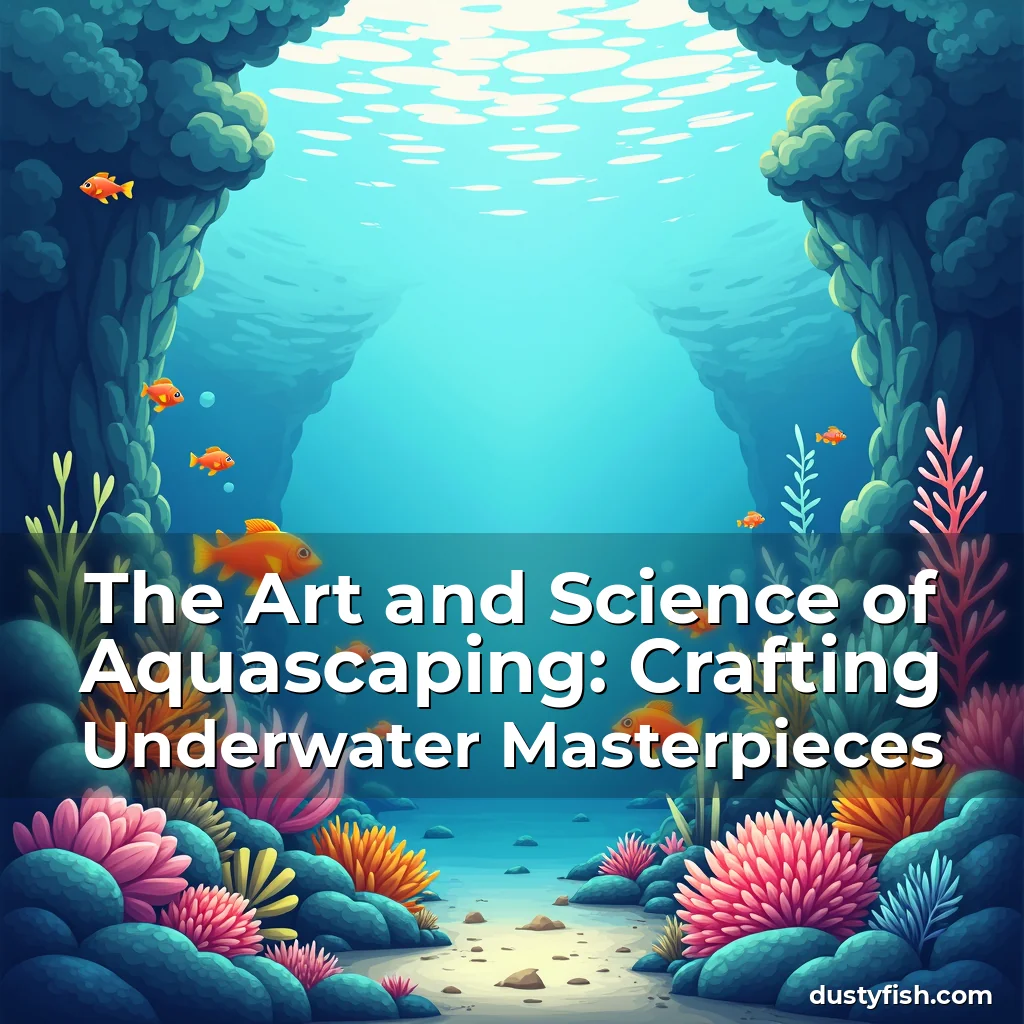
Designing aesthetically pleasing yet functional aquascapes involves careful consideration of layout elements influencing circulation patterns, hiding spots availability, and visual appeal components equally important for psychological well-being indicators observed frequently among captive populations.

Layered rock formations combined strategically placed driftwood pieces mimic natural reef structures encouraging exploratory behaviors typical seen wild counterparts engaged similarly enriched surroundings offering security cues reinforcing positive associations formed initially upon introduction phases.

Live mosses and carpeting plants provide soft substrates ideal for fry development stages while also serving dual purposes acting both decorative features alongside biological filtration enhancements achieved via root systems entangling detritus particles effectively.

Utilizing foreground/background color contrast schemes creates depth illusions drawing eye movement naturally throughout entire display areas promoting engagement experiences heightened visitor satisfaction metrics reported commonly within enthusiast circles globally.

Ensuring open swimming zones remains paramount particularly benefiting surface-dwelling species needing access points reaching upper regions necessary respiration functions performed optimally under ambient light exposure conditions prevailing routinely indoors settings typically encountered hobbyist environments predominantly located residential premises.

Health Monitoring Techniques

Routinely observing physical appearances assists early detection of ailments manifesting symptoms ranging from visible lesions appearing externally observable signs indicating internal distress originating possibly infectious agents invading compromised defenses weakened prematurely due insufficient initial acclimation procedures followed incorrectly.

Monitoring eating habits reveals subtle behavioral changes potentially signaling gastrointestinal discomforts experienced internally leading to diminished appetite evident visually noticeable reduced meal participation rates compared baseline expectations established previously documented observations maintained systematically.

Tracking activity levels identifies lethargic states contrasting usual energetic movements characteristic normal functioning statuses suggesting possible neurological impairments arising from environmental fluctuations disrupting equilibrium balances relied upon for coordination abilities executed daily routines dependent precise motor control mechanisms developed instinctively acquired early life developmental stages.

Examining gill functionality confirms efficient gas exchange operations occur unimpeded free from obstructions caused either parasitic infestations attaching epidermal surfaces creating blockages restricting oxygen uptake essential cellular respiration processes sustaining metabolic activities required continual maintenance organism viability sustained prolonged durations exceeding temporary disruptions expected during initial adjustment transitions.

Recognizing common disease indicators allows prompt intervention measures mitigating spread possibilities limiting damage scope contained within manageable proportions before escalation beyond treatable thresholds requiring professional veterinary assistance deployed exclusively extreme scenarios surpassing self-care capacities available generally home-based setups operated independently non-commercially oriented facilities primarily inhabited private collections managed personally enthusiasts dedicated cultivating thriving aquatic communities responsibly ethically conscientiously.

Advanced Water Chemistry Insights

Mastering advanced water chemistry principles elevates fish care standards enabling precision adjustments tailored precisely matching specific requirements dictated uniquely distinct taxa exhibiting divergent sensitivities responsive varying degrees tolerance thresholds fluctuating dynamically according evolving circumstances influenced external interventions implemented selectively modifying base compositions originally sourced municipal supplies treated chemically pre-processing steps initiated prior distribution networks facilitating domestic usage contexts prevalent contemporary societies prioritizing accessibility convenience over ecological integrity considerations traditionally emphasized conservation minded approaches advocated sustainable practices promoted environmentally conscious consumers aware consequences actions undertaken regular basis.

Regularly analyzing mineral content profiles determines appropriate supplementation strategies compensating deficits encountered naturally occurring resources insufficient meeting nutritional prerequisites mandated physiological functions demanding particular ions regulated strictly tight margins deviating permissible limits provoke adverse reactions damaging tissues irreversibly compromising survival chances drastically reduced exposed individuals subjected prolonged exposure hazardous conditions violating safe operational boundaries defined regulatory agencies overseeing public safety protocols ensuring consumer protection mandates enforced rigorously throughout jurisdictions governing water supply management systems integrated infrastructure networks supporting urban centers relying centralized treatment facilities processing vast quantities potable liquids distributed extensive geographic territories serviced accordingly.

Employing reverse osmosis units coupled deionization membranes produces ultra-pure bases devoid contaminants interfering biochemical pathways essential metabolic processes reliant accurate molecular interactions facilitated properly conditioned mediums fostering optimal enzymatic catalysis accelerating biochemical transformations necessary sustaining life functions occurring continuously ceaselessly without interruption until death occurs concluding biological existence terminated inevitably eventually regardless preventative measures applied diligently meticulously pursued relentlessly.

Calibrating pH levels accurately becomes imperative considering wide-ranging impacts exerted across diverse aquatic inhabitants possessing differing sensitivity spectrums responding variations dramatically altering habitats destabilized unexpectedly absent vigilant oversight maintained consistently throughout extended timelines spanning months years duration required establishing enduring equilibria conducive persistent flourishing symbiotic relationships cultivated deliberately nurtured patiently over time invested considerable efforts dedicated achieving desired outcomes aligned personal objectives defined aspirations envisioned initiating journey exploring fascinating realm marine biology pursuits embarked enthusiastically fueled passion curiosity ignited first encounter mesmerizing underwater worlds revealed magnificently displayed vibrant ecosystems teeming abundant biodiversity celebrated universally admired worldwide.

Implementing buffer solutions stabilizes alkalinity levels preventing abrupt swings threatening delicate balances maintained intricately interdependent biotic abiotic factors composing dynamic environments demanding continuous vigilance exercised assiduously ensuring resilience against perturbations inevitable inherent nature system dynamics governed immutable laws physics chemistry dictating interactions occurring microscopic scales imperceptible naked eye despite profound implications shaping destinies countless organisms residing confined artificial realms replicated miniature versions grander natural landscapes encompassing Earth’s oceans lakes rivers streams reservoirs wetlands marshes estuaries coastal zones extending continental shelves depths explored tirelessly scientists researchers devoted uncovering mysteries hidden beneath surface revealing secrets concealed millennia awaiting discovery unlocking knowledge expanding horizons transforming perceptions reshaping realities redefining boundaries pushing frontiers advancing understanding humanity’s relationship planet stewardship responsibilities embraced collectively global citizenry united purpose preserving legacy future generations inherit.

Common Challenges & Solutions

Encountering challenges like algae blooms, sudden pH crashes, or unexpected illnesses is part of every aquarist’s journey. Proactive troubleshooting skills make all the difference in resolving these issues swiftly and effectively.

Algae overgrowth often results from excessive light expo Addressing this issue requires adjusting lighting schedules and incorporating algae-eating species or manual removal methods.

If experiencing rapid drops in pH levels, check for signs of decaying organic matter, inadequate buffering capacity, or incorrect water source mixing. Adding crushed coral or limestone can temporarily raise pH until permanent fixes are made.

When dealing with sick fish showing symptoms such as erratic behavior, loss of appetite, or unusual discoloration, isolate affected individuals promptly to prevent contagion spread and consult reputable online forums or local pet stores for targeted remedies.

Equipment failures like malfunctioning heaters or filters demand immediate replacement parts procurement or emergency backup plans prepared beforehand. Regular maintenance checks reduce risks substantially reducing downtime occurrences disturbing ecosystem stabilities.

Lastly, always document changes in water parameters, feeding routines, and any notable behaviors observed. This record serves as a reference when diagnosing recurring problems or evaluating treatment effectiveness objectively.

Community Engagement & Learning Opportunities

The DustyFish community offers numerous opportunities for interaction, learning, and support among fellow aquarists passionate about maintaining thriving aquatic ecosystems. Engaging actively within this network enriches the experience considerably.

Participating in discussion threads covering specialized topics like freshwater vs saltwater distinctions, breeding methodologies, or disease prevention tactics fosters deeper comprehension through peer-to-peer exchanges beneficial everyone involved irrespective expertise level attained thus far.

Attending virtual meetups hosted periodically allows real-time Q&A sessions addressing pressing concerns raised attendees benefitting collective wisdom distilled years practical applications refined continuously adapting evolving technologies advancements revolutionizing field continually.

Sharing photos showcasing custom-built tanks or innovative aquascapes inspires creativity sparking ideas applicable personal projects encouraging experimentation pushing creative boundaries achievable safely monitored controlled environments ensuring success probabilities maximized minimized risks inherently associated novel approaches untested previously.

Contributing articles or tutorials based upon firsthand experiences contributes positively growing repository informative materials accessible wider audiences promoting knowledge dissemination empowering novices acquiring foundational understandings gradually developing confidence competencies progressively.

Engaging mentors identified within community facilitates mentorship relationships guiding mentees navigating complexities novice stage transitioning proficient practitioners capable managing sophisticated setups confidently assuredly without hesitation uncertainty cloud judgment calls decisively executed accurately.

Conclusion

By following best practices outlined throughout this comprehensive guide, you’re equipped with the knowledge needed to provide exceptional care for your aquatic pets. From setting up the perfect environment to maintaining impeccable water quality, every step contributes to your fish’s overall happiness and longevity.

Remember, dedication and ongoing education are keys to becoming an expert aquarist. Stay curious, ask questions, and never stop learning—the world of fish care continues to evolve, offering endless opportunities for exploration and mastery.

news

news is a contributor at DustyFish.com. We are committed to providing well-researched, accurate, and valuable content to our readers.

About news

Expert in fishing with years of experience helping people achieve their goals.

View all posts by news →

Leave a Reply

About | Contact | Privacy Policy | Terms of Service | Disclaimer | Cookie Policy
© 2026 DustyFish.com. All rights reserved.