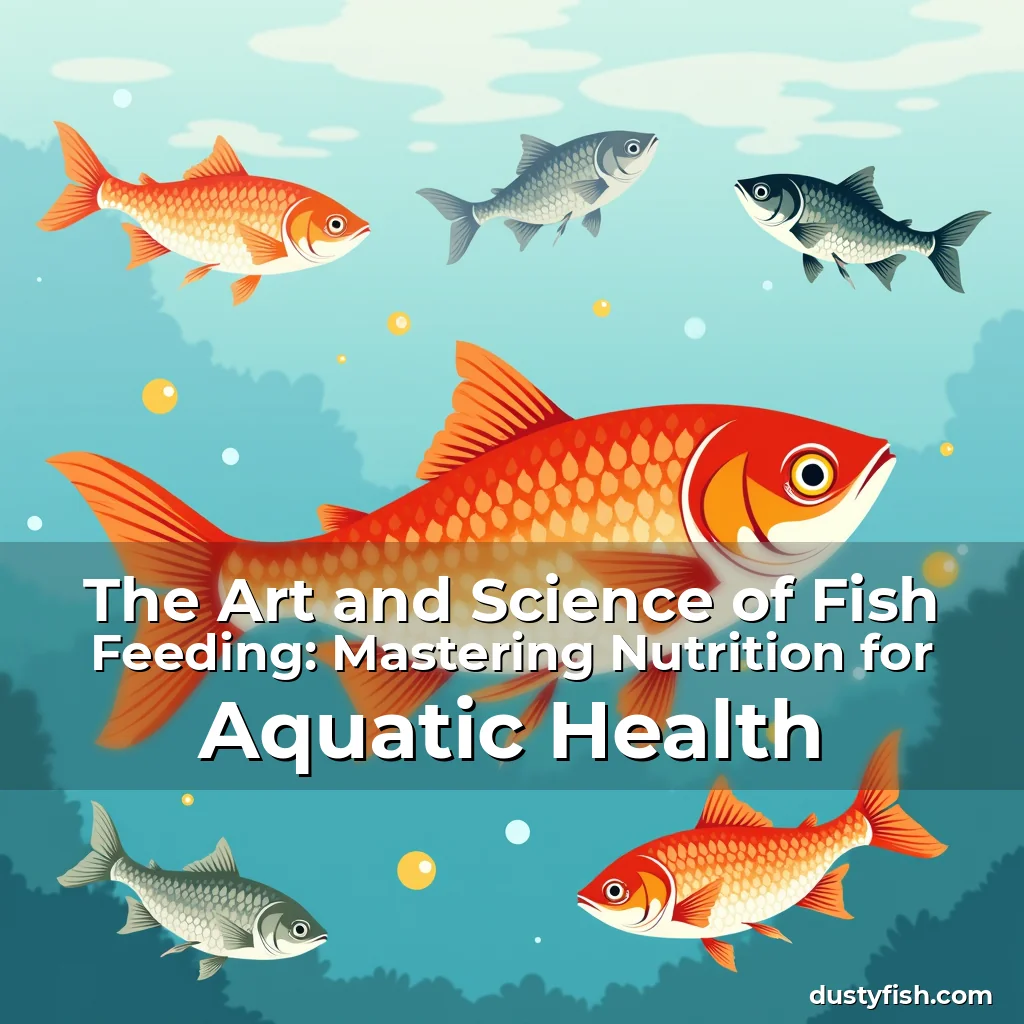
The Art and Science of Fish Feeding: Mastering Nutrition for Aquatic Health
Fish feeding is an essential aspect of aquarium care that often goes overlooked by new hobbyists. While many focus on tank setup and water parameters, few realize how critical proper nutrition truly is. Understanding what, when, and how much to feed can dramatically impact both the health and longevity of aquatic life.
This guide explores the intricate world of fish feeding practices, from selecting appropriate food types to developing optimal feeding schedules. Whether you’re maintaining a small freshwater community tank or managing a complex marine reef system, mastering these techniques will elevate your level of care and enjoyment as an aquarist.
Understanding Nutritional Needs Across Species
Aquarium inhabitants have diverse dietary requirements shaped by their natural habitats and biological makeup. Herbivorous species such as tangs and angelfish require high fiber diets rich in plant matter, while carnivores like bettas and triggerfish need protein-dense meals. Omnivores occupy a middle ground, benefiting from balanced offerings that include both animal and vegetable components.
Proper identification of each fish’s dietary preferences begins with researching their native environments. Freshwater labyrinth fish, for example, have evolved specialized organs allowing them to breathe atmospheric air, which influences their metabolism and nutritional needs compared to fully submerged species. This knowledge helps create targeted feeding strategies tailored to individual requirements.
- Diet classification: Understand whether your fish are herbivores, carnivores, or omnivores through research and observation
- Nutrient balance: Provide essential vitamins, minerals, and amino acids that support growth, coloration, and immune function
- Metabolic considerations: Recognize how different feeding frequencies affect digestion rates across various species
Creating Balanced Meal Plans
Establishing effective meal plans requires careful consideration of portion sizes, frequency, and variety. Overfeeding is a common pitfall that leads to poor water quality, obesity, and disease susceptibility. Conversely, underfeeding results in stunted growth, weakened immunity, and aggressive behavior due to competition for limited resources.
To maintain ideal conditions, observe your fish during feeding time. Healthy individuals will consume food within 2-3 minutes without leaving excess behind. If uneaten portions remain consistently after this window, reduce quantities accordingly. Implementing scheduled feeding times also promotes natural behaviors and prevents overeating.
Evaluating Food Quality
Selecting high-quality foods is crucial for long-term success. Premium commercial feeds contain higher concentrations of beneficial nutrients while minimizing fillers and preservatives found in lower-grade products. Look for ingredients like krill, spirulina, and brine shrimp in formulations designed specifically for your fish type.
Regularly rotating food sources ensures complete nutrient profiles aren’t compromised by repetitive consumption patterns. A well-rounded diet might combine flake foods with frozen treats, live cultures, and occasional supplements. Always check expiration dates and store dry foods properly to preserve freshness.
Optimizing Feeding Techniques
Creative approaches to feeding enhance both efficiency and engagement. Targeted feeding methods allow precise delivery of food to individual specimens, particularly useful in mixed-species tanks where some residents may be outcompeted at mealtimes. Using training techniques like hand-feeding builds trust relationships between keeper and pet.
Incorporating interactive elements makes feeding sessions more stimulating for intelligent species. Puzzle feeders challenge problem-solving abilities, while timed release devices encourage natural scavenging instincts. These enrichment activities promote mental stimulation alongside physical nourishment.
- Target feeding: Utilize tools like pipettes or tweezers to deliver food directly to slower eaters
- Training protocols: Develop consistent routines using visual cues or conditioned responses
- Enrichment options: Introduce novel feeding challenges that mimic natural foraging behaviors
Scheduling Strategies for Optimal Health
Consistent feeding schedules help regulate metabolic functions and prevent digestive issues. Most tropical fish thrive on two daily feedings spaced approximately 8 hours apart. However, certain nocturnal species benefit from evening-only meals aligned with their natural activity cycles.
Adjustments should be made based on tank population density and life stages. Juvenile fish typically require smaller but more frequent meals to accommodate their rapid development. Breeding pairs may need special provisions containing increased fat content for reproductive health and fry production.
Special Considerations for Different Life Stages
Young fish have distinct nutritional demands that change rapidly as they mature. Fry require microscopic food particles suitable for their tiny mouths, progressing gradually toward larger prey items as jaw structures develop. Providing appropriately sized food prevents starvation while avoiding choking hazards associated with oversized morsels.
Pregnant females demand additional caloric intake to support egg development. Specialized breeding conditioners offer concentrated nutrients that ensure healthy offspring viability. Post-spawning recovery periods necessitate gentle feeding regimens focused on tissue repair rather than excessive energy expenditure.
Monitoring and Adjusting Dietary Practices
Ongoing evaluation of feeding effectiveness is necessary for sustained success. Regularly inspecting fecal output provides insight into digestibility and potential deficiencies. Normal waste should appear firm yet pliable; overly soft stools indicate improper protein ratios, while undigested food suggests inadequate enzymatic processing capabilities.
Observing behavioral changes offers early warnings of dietary imbalances. Lethargy, faded colors, and abnormal swimming patterns often signal missing nutrients. Document any noticeable shifts in appetite or appearance to identify trends requiring corrective action before serious complications arise.
Troubleshooting Common Feeding Issues
Feeding problems frequently stem from incorrect assumptions about species-specific requirements. Some fish mistakenly believed to be herbivores actually prefer meat-based diets, while others labeled as carnivores show surprising flexibility towards plant materials when offered correctly prepared alternatives.
When encountering persistent refusal to eat, investigate environmental stress factors first. Poor water chemistry, inappropriate temperatures, or recent territorial disputes could disrupt normal feeding behaviors. Address these underlying causes before assuming malnutrition is the primary issue.
- Identifying hidden hunger: Watch for subtle signs like decreased activity levels or unusual hiding habits
- Diagnosing selective eating: Note which specific food items get rejected versus accepted
- Recognizing illness symptoms: Distinguish between genuine appetite loss and temporary disinterest caused by external stimuli
Enhancing Nutritional Value Through Supplementation
Supplementing base diets with additional nutrients boosts overall wellness and vitality. Vitamin C enhances connective tissue strength, while vitamin B-complex supports nervous system function. Trace mineral additions like calcium and iron contribute to skeletal integrity and blood cell formation respectively.
Offering dietary variety beyond standard fare introduces beneficial phytochemicals absent from conventional formulas. Incorporate fresh vegetables like peas and zucchini to supply fiber, antioxidants, and pigmentation-enhancing compounds. Occasional seaweed snacks provide iodine and other ocean-derived micronutrients vital for thyroid regulation.
Preparing Natural Foods Safely
Raw foods must be handled carefully to avoid contaminating aquarium systems. Thorough washing removes pesticides and bacteria, while freezing kills parasites present in unprocessed meats. Blanching leafy greens reduces nitrates while preserving most nutritional value.
Portion control remains crucial even with homemade preparations. Excess organic material decomposes quickly in closed environments, leading to ammonia spikes that jeopardize water quality. Freeze-dried alternatives offer convenience without compromising safety standards achieved through proper preparation techniques.
Building Community Feeding Habits
Establishing shared feeding rituals fosters social bonds among tank mates. Synchronized meal times encourage cooperative interactions instead of competitive feeding frenzies. Observing group dynamics reveals which individuals dominate access to food resources, informing adjustments to ensure equitable distribution.
Introducing new members requires gradual integration to minimize conflict. Temporary isolation allows acclimation to tank conditions without immediate pressure from established residents. Once comfortable, supervised feeding sessions help determine compatibility and adjust quantities as needed.
- Gradual introduction: Allow new arrivals time to adapt before exposing them to full meal presentations
- Behavior monitoring: Track interactions closely during initial feeding attempts to detect aggression indicators
- Quantity adjustment: Modify serving sizes based on observed competition levels to prevent dominance hierarchies
Advanced Feeding Technologies and Innovations
Modern advancements offer automated solutions for precise food delivery. Programmable feeders dispense measured amounts at designated intervals, ensuring consistency even during travel absences. Smart sensors monitor residual food levels automatically adjusting portions according to actual consumption rates.
These innovations particularly benefit multi-tank setups where manual oversight becomes impractical. Integrated filtration systems work synergistically with feeding mechanisms to manage excess particulate matter efficiently. Such technologies represent significant progress in achieving optimal aquatic husbandry standards.
Environmental Impact Considerations
Sustainable sourcing has become increasingly important in responsible fishkeeping. Choosing locally available foods reduces transportation-related carbon footprints while supporting regional economies. Supporting ethical suppliers committed to humane harvesting practices aligns personal values with ecological stewardship principles.
Reducing packaging waste through bulk purchases or reusable containers contributes positively to conservation efforts. Proper disposal of unused food prevents contamination risks while minimizing landfill contributions from single-use plastics commonly used in aquarium supplies industry.
Conclusion
Mastery of fish feeding involves understanding individual nutritional needs, implementing scientifically sound practices, and continuously adapting based on observable outcomes. The journey from basic sustenance provision to expert-level care requires dedication and attention to detail.
By applying these comprehensive guidelines, aquarists can significantly improve the quality of life for their aquatic companions. Remember that every feeding session presents an opportunity to refine techniques, deepen knowledge, and strengthen the bond between keeper and kept.


news is a contributor at DustyFish.com. We are committed to providing well-researched, accurate, and valuable content to our readers.