


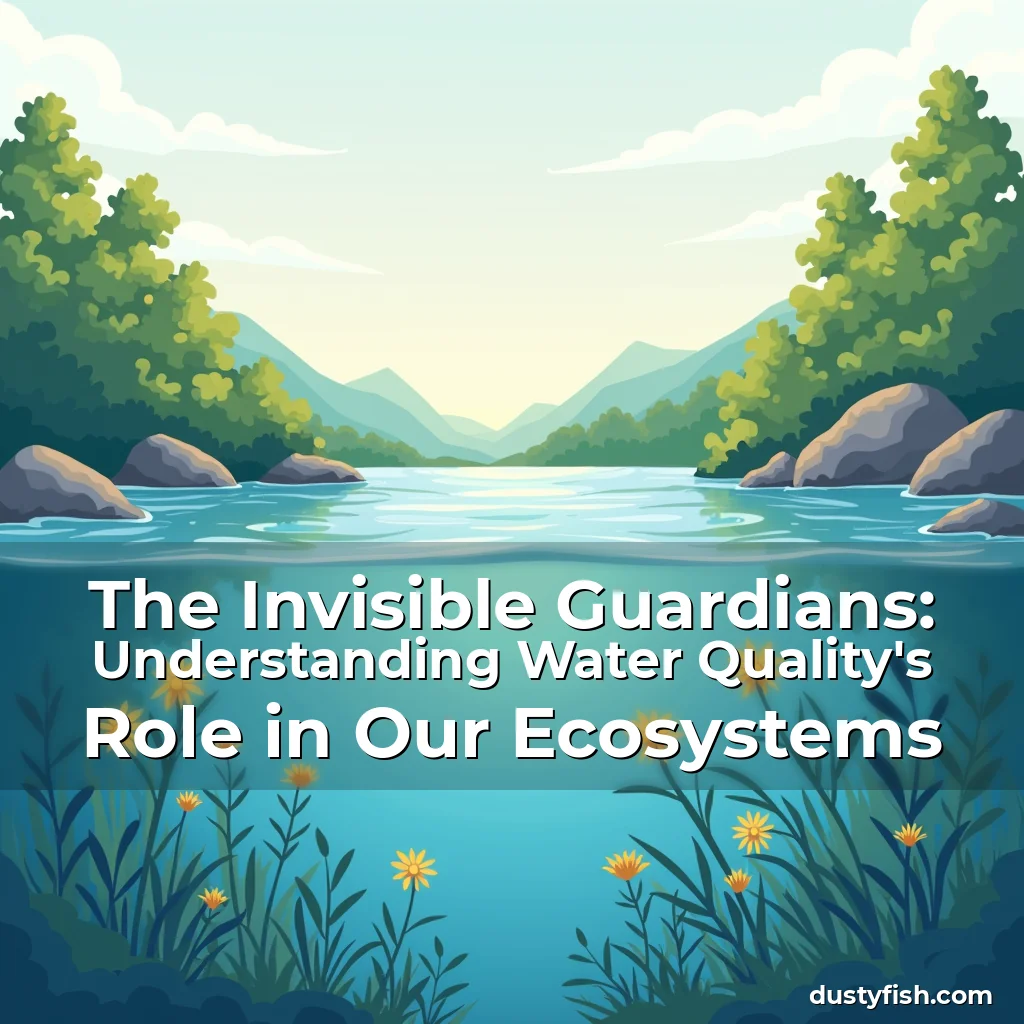
The Invisible Guardians: Understanding Water Quality’s Role in Our Ecosystems
In every drop of water we drink, swim in, or rely upon for our daily lives, there lies an invisible guardian—the measure of water quality. This critical factor determines not only what life can thrive within aquatic environments but also how safe that water is for human consumption and recreation.
Water quality encompasses various parameters such as pH levels, dissolved oxygen, temperature fluctuations, nutrient concentrations, and contaminant presence. These elements form the foundation upon which entire ecosystems depend, shaping everything from microscopic plankton blooms to the health of fish populations and beyond.
The Science Behind Water Quality Parameters
Understanding the science behind key water quality indicators begins with recognizing their roles in maintaining ecological balance. Among these, dissolved oxygen stands out as crucial for sustaining aquatic life since most organisms require it to survive through respiration processes.
Aquatic plants play a significant role in oxygenation by performing photosynthesis during daylight hours. However, at night they consume oxygen, potentially lowering its availability for other species when light diminishes. This natural cycle underscores why monitoring oxygen levels around dusk and dawn is particularly insightful.
- Dissolved Oxygen: Measured in milligrams per liter (mg/L), adequate levels ensure survival across diverse aquatic species ranging from small insects to larger vertebrates like trout and salmon.
- pH Levels: A neutral range between 6.5 and 8.5 supports optimal biological activity; deviations may stress sensitive organisms leading up to population declines or even extinctions.
Temperature variations influence both chemical reactions occurring within water bodies and metabolic rates among living beings inhabiting them. Warmer waters hold less dissolved oxygen compared to cooler ones—an issue exacerbated by climate change impacts on freshwater systems globally.
Nutrient concentration plays another vital role where excessive amounts lead to eutrophication phenomena characterized by algal overgrowth that depletes available oxygen post-bloom events. Managing nutrients effectively becomes essential in preventing such environmental disruptions.
Human Impact on Water Quality
Humans have significantly altered global water quality patterns through industrialization, agricultural practices, urban development, and improper waste disposal methods. These activities introduce pollutants ranging from heavy metals like mercury and arsenic to synthetic chemicals used extensively in modern society.
Industrial effluents often contain toxic substances harmful not only to aquatic wildlife but also pose serious threats to public health once consumed via contaminated food chains or direct exposure scenarios involving recreational uses of affected water sources.
Agricultural runoff contributes substantially due to fertilizers rich in nitrogen and phosphorus leaching into nearby streams rivers lakes thereby promoting rapid algae growth cycles detrimental to native flora/fauna balances.
Urban stormwater carries debris trash oils petrochemical residues along with untreated sewage discharges—especially prevalent following intense rainfall episodes—resulting in acute pollution spikes capable of causing mass die-offs amongst vulnerable species populations.
Case Studies Highlighting Human Influence
One notable example comes from Lake Erie located primarily within North America’s Great Lakes system experiencing frequent cyanobacterial blooms attributed largely to increased phosphorus inputs originating mainly from upstream farming operations.
Data collected over recent decades shows recurring instances annually where toxin-producing blue-green algae outbreaks render parts of Lake Erie unsafe for drinking purposes necessitating costly treatment interventions aimed solely at mitigating immediate risks rather than addressing root causes permanently.
Similarly, the Citarum River flowing through Indonesia has earned infamy as one of world’s most polluted waterways owing heavily towards textile dye industries dumping untreated wastewater straight into its channels without any pretreatment measures whatsoever.
This river serves millions yet lacks basic sanitation infrastructure rendering it unfit for anything except industrial applications despite being central lifeline supporting local communities reliant entirely upon it day-to-day existence including bathing washing clothes fishing etcetera.
Maintaining Healthy Water Systems Through Conservation Efforts
Conservation efforts targeting improvement of water quality involve multifaceted approaches integrating scientific research policy implementation community engagement alongside technological innovations designed specifically for remediation tasks.
Prioritizing riparian buffer zones—vegetated areas adjacent to watercourses—has proven effective in filtering contaminants before reaching open water while simultaneously providing habitat corridors beneficial for biodiversity preservation initiatives.
Restoration projects focusing on wetland rehabilitation help naturally filter pollutants enhance groundwater recharge capabilities regulate floodwaters thus contributing positively toward overall watershed management strategies employed worldwide today.
Community involvement remains pivotal especially regarding education campaigns highlighting personal responsibilities concerning reducing household pollutant contributions through mindful usage behaviors related to product selection maintenance routines disposal protocols.
Technological Innovations Enhancing Water Quality Monitoring
Advancements in sensor technology enable real-time tracking of critical parameters allowing quicker response times whenever anomalies occur threatening ecosystem stability or posing imminent dangers to human populations utilizing those resources regularly.
Remote sensing satellites equipped with multispectral imaging capabilities provide broad-scale assessments identifying potential hotspots requiring further investigation by ground teams deployed subsequently based upon initial findings generated remotely.
Artificial intelligence algorithms applied against historical datasets predict future trends enabling proactive adjustments minimizing damage potentials associated with anticipated changes likely affecting regional hydrological conditions adversely.
IoT-enabled devices embedded strategically within monitored locations transmit continuous data feeds facilitating automated alert mechanisms ensuring prompt action taken wherever necessary regardless geographical distances separating operators from actual sites under observation.
Educational Resources for Promoting Awareness About Water Quality Issues
Educational institutions play instrumental roles disseminating knowledge equipping individuals with requisite understanding required making informed decisions impacting collective actions influencing broader societal outcomes relating directly back onto our planet’s finite water reserves.
School curricula incorporating modules centered around environmental stewardship foster early awareness instilling values promoting sustainable habits carried forward throughout participants’ adult lives benefiting ecosystems universally.
Public outreach programs organized periodically raise consciousness through interactive workshops demonstrations field trips offering hands-on experiences reinforcing theoretical lessons taught inside classrooms thereby bridging gap existing between academic learning practical application domains effectively.
Online platforms hosting virtual tours multimedia presentations downloadable guides serve remote learners unable attend physical sessions personally yet still desire access reliable information presented clearly concisely accessible anytime anywhere convenient according to individual schedules preferences.
Global Initiatives Aimed At Improving Worldwide Water Quality Standards
International agreements such as United Nations Sustainable Development Goals include targets focused explicitly improving access clean potable water enhancing sanitation facilities reducing pollution burdens placed upon shared planetary assets ensuring equitable distribution benefits derived thereof uniformly across all nations irrespective developmental statuses.
Bilateral/multinational collaborations facilitate exchange expertise resources funding directed toward tackling transboundary issues arising due overlapping jurisdictions governing interconnected river basins lakeshores coastal regions demanding coordinated responses transcending political boundaries limitations typically encountered otherwise.
Non-governmental organizations actively engage grassroots movements mobilizing volunteers undertaking citizen science projects collecting samples analyzing results uploading publicly accessible databases fostering transparency accountability encouraging civic participation essential driving forces behind meaningful progress achieved collectively.
Funding allocated through grants subsidies loans incentivize innovation ventures pursuing novel solutions addressing persistent challenges encountered historically hampering attainment desired standards consistently maintained reliably sustained indefinitely going forward.
Conclusion
Ensuring high-quality water supplies demands collaborative commitment spanning governmental entities private sector stakeholders civil societies alike working harmoniously together implementing holistic frameworks integrating prevention mitigation adaptation components seamlessly interwoven cohesively.
By prioritizing conservation technologies education international cooperation, we safeguard Earth’s invaluable liquid resource now and for generations ahead guaranteeing continued prosperity equilibrium necessary sustaining vibrant healthy ecosystems thriving sustainably indefinitely.


news is a contributor at DustyFish.com. We are committed to providing well-researched, accurate, and valuable content to our readers.
You May Also Like


Lucky Anglers Have the Chance to Catch $100 in Green Bay Tributaries
The Green Bay tributaries, including the Fox, Oconto, Peshtigo, and Menominee Rivers, are home to a fascinating experiment in conservation....
Understanding Water Quality: A Deep Dive into Its Importance and Impact on Life
Understanding Water Quality: A Deep Dive into Its Importance and Impact on Life Water is the essence of life, yet...