


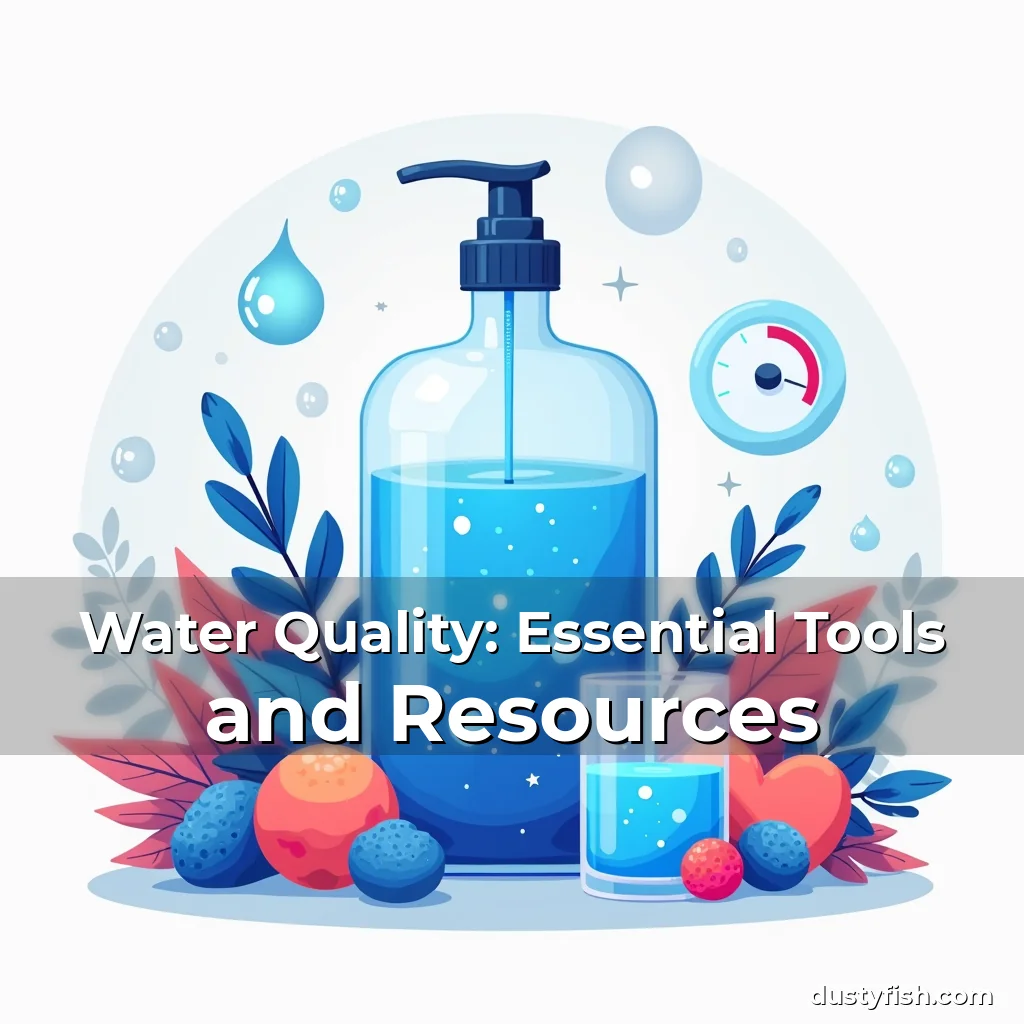
Water Quality: Essential Tools and Resources
Welcome to an exploration of water quality that goes beyond surface-level understanding. This guide is crafted specifically for the DustyFish community and anyone invested in safeguarding our aquatic environments.
The significance of maintaining clean water cannot be overstated. From supporting marine life to ensuring safe drinking supplies, every drop matters in our shared responsibility towards environmental health.
Understanding Water Quality Basics
At its core, water quality refers to the physical, chemical, and biological characteristics of water. These factors determine how suitable the water is for various uses such as human consumption, irrigation, and sustaining ecosystems.
Poor water quality can lead to a myriad of problems including illness from contaminated sources and ecological imbalance. It’s crucial to recognize these signs early through regular testing methods.
Factors influencing water quality range widely—from natural elements like rainfall patterns affecting runoff levels to human activities contributing pollutants into rivers and lakes.
By familiarizing oneself with common indicators of poor water conditions, individuals become better equipped to take preventive measures against degradation.
Key Parameters Measured in Water Testing
When assessing water quality, several key parameters are typically measured. These include pH level, temperature, dissolved oxygen concentration, turbidity, nutrient content, and presence of harmful substances.
pH balance plays a vital role; most aquatic organisms thrive within narrow ranges usually between 6.5 and 8.5. Deviations from this range can stress or harm sensitive species.
Dissolved oxygen availability determines whether aquatic life can survive effectively. Low DO levels often signal pollution issues needing immediate attention.
- pH Level: Indicates acidity/alkalinity—critical for both plant and animal life forms inhabiting water bodies.
- Turbidity: Measures clarity by evaluating suspended particles’ effect on light penetration which impacts photosynthesis processes essential for underwater plants.
Nutrient concentrations must remain balanced too high amounts might cause eutrophication while deficiencies could hinder growth across different ecosystem layers.
Heavy metals and other contaminants require careful monitoring due to their potential toxicity even at low exposure levels over time periods.
Tools Used For Assessing Water Quality
A variety of tools exist today designed explicitly for measuring various aspects related to water purity standards globally accepted benchmarks provide guidance regarding acceptable thresholds.
Portable test kits offer quick assessments suitable for fieldwork scenarios whereas laboratory analyses yield highly accurate results albeit requiring more resources investment initially.
Modern technology has introduced electronic meters capable of providing real-time data allowing continuous tracking without manual intervention necessary during traditional sampling procedures.
Satellite imagery combined with remote sensing techniques enable broadscale analysis useful especially when dealing with larger geographical areas affected simultaneously by similar environmental changes.
Data loggers connected via internet allow users access historical records facilitating trend identification thus aiding predictive modeling efforts concerning future contamination risks ahead.
Importance Of Regular Monitoring Programs
Consistent evaluation programs ensure timely detection of anomalies preventing escalation into severe crises impacting public health infrastructures reliant upon uncontaminated supply chains.
Local communities benefit immensely from active participation since grassroots involvement increases awareness promoting collective action towards achieving sustainable development goals set internationally recognized organizations advocate.
Governments play pivotal roles implementing regulations enforcing compliance among industries discharging effluents potentially hazardous materials unless properly treated prior release back environment systems.
Educational institutions contribute significantly through research initiatives developing new methodologies enhancing accuracy speed efficiency associated contemporary analytical approaches utilized currently worldwide settings.
Common Contaminants Found In Natural Waters
Natural waters frequently encounter diverse types of impurities originating primarily either naturally occurring minerals present geological formations beneath earth’s crusts or anthropogenic sources involving industrial waste agricultural chemicals household sewage runoff etcetera.
Organic pollutants derived largely from decomposition processes underpinning complex food webs may accumulate bioaccumulating up trophic levels eventually reaching apex predators posing threats not only wildlife populations but also human consumers relying heavily freshwater reserves daily bases.
Inorganic compounds vary extensively depending regional geology certain regions exhibit higher concentrations heavy metals like arsenic mercury cadmium necessitating stringent controls limiting excessive uptake organisms residing therein.
Bacterial pathogens represent significant concern particularly where untreated wastewater enters recreational sites endangering swimmers fishermen alike susceptible infections ranging mild skin irritations serious gastrointestinal disorders according severity pathogen type involved contact duration frequency repeated exposures.
Viral agents though less commonly detected compared bacterial counterparts still pose considerable dangers especially vulnerable groups immunocompromised elderly children whose immune defenses weakened inability combat invading microbes effectively adequately protective mechanisms intact normally functioning healthy adults.
Impacts On Human Health And Ecosystems
Contaminated water poses direct threats to human wellbeing manifesting symptoms varying acute ailments chronic diseases depending nature extent pollutant exposure duration intensity individual susceptibility factors included age gender pre-existing medical conditions etc.
Children younger five years old notably prone developmental delays stunted growth cognitive impairments resulting prolonged ingestion polluted fluids containing neurotoxic substances interfering normal brain maturation critical early childhood stages.
Chronic exposure situations persistently degraded environments increase likelihood罹患 cancers respiratory illnesses liver damage kidney failure among others attributable long-term accumulation toxic compounds exceeding body’s capacity neutralize eliminate them safely excreted naturally.
Ecologically speaking biodiversity loss occurs rapidly habitats destroyed due altered chemistry disrupting delicate balances maintained thousands evolutionary adaptations shaping intricate relationships existing millions years without interference human activity recently decades accelerated pace causing irreversible damages some cases permanently.
Fisheries suffer economic repercussions reduced catch sizes smaller fish stocks damaging livelihoods dependent fishing industry sectors worldwide experiencing declines productivity yields negatively affecting local economies dependent stable fisheries sustainably managed resources preserved future generations inherit same privileges enjoyed ancestors before modernization era began altering landscapes drastically.
Maintaining Good Water Quality Practices At Home
Individual actions collectively make substantial difference preserving water integrity homefront reducing personal footprint pollution burden overall environment.
Proper disposal household chemicals pesticides cleaning products prevents unnecessary introduction synthetic compounds drain sewers ultimately discharged natural waterways.
Landscaping choices matter too native vegetation helps filter runoff absorb excess nutrients prevent erosion keeping soil stable minimizing sedimentation issues downstream locations.
Using phosphate-free detergents avoids exacerbating algal blooms already problematic areas struggling manage nitrogen phosphorus inputs threatening aquatic flora fauna survival rates.
Fixing leaks promptly conserves precious resource mitigates risk contaminants leaching pipes corroded surfaces potentially seeping surrounding groundwaters otherwise pure untainted sources.
Simple habits cultivated consistently yield positive outcomes enhancing quality living conditions both residential commercial spaces utilizing municipal supplies sourced treatment facilities processing raw water transforming potable form fit human use.
Educating family members importance responsible behavior ensures everyone participates maintenance routines becoming proactive rather reactive approach managing domestic contributions pollution cycle.
Supporting local initiatives aimed improving infrastructure upgrading aging pipelines replacing faulty components reduces chances failures leading spills contaminations jeopardizing pristine qualities valued communities strive maintain.
Volunteering beach cleanups riverbank restoration projects reinforces communal spirit strengthens bonds neighbors working together toward common goal cleaner healthier surroundings benefiting all residents regardless socioeconomic backgrounds involved endeavors.
Adopting eco-friendly gardening practices using compost instead artificial fertilizers minimizes chemical runoffs entering groundwater systems subsequently affecting drinking water safety.
Opting energy-efficient appliances lowers demand electricity production linked carbon emissions indirectly contributing climate change intensifying weather events increasing storm surges flooding incidents risking watershed stability integrity.
Planting trees along waterfronts acts natural barriers absorbing rainwater slowing flow speeds decreasing erosion risks protecting shorelines against wave actions undermining structural foundations built upon soft sediments easily washed away intense currents.
Engaging in citizen science programs collecting samples submitting data contributes scientifically valuable information helping researchers track trends fluctuations enabling informed decisions policy makers create effective strategies addressing emerging challenges proactively rather waiting crisis points escalate further.
Participating workshops seminars offered educational institutions enhances knowledge base equipping participants implement best practices sustainably stewardship principles guiding day-to-day operations households businesses alike.
Promoting awareness social media platforms spreads message wider audiences encouraging others adopt similar environmentally conscious behaviors fostering culture sustainability permeating entire society gradually shifting attitudes perceptions favoring conservation preservation priorities above convenience expediency concerns previously dominated decision-making frameworks.
Community Efforts To Improve Water Quality
Communities have emerged as powerful entities driving positive transformations within local environments through collaborative ventures focused enhancement water conditions.
Initiatives range small-scale neighborhood watch groups vigilant identifying illicit dumping activities reporting authorities swift interventions rectify violations before permanent damage inflicted ecosystems.
Nonprofit organizations leverage funding grants partnerships governmental agencies execute ambitious undertakings restoring wetlands rehabilitating degraded riparian zones revitalizing former industrial sites turned thriving habitats teeming diversity life once devoid vitality.
School curricula increasingly incorporate modules teaching students fundamental concepts ecology hydrology empowering young minds develop skills analyze interpret data gathered field expeditions conducted nearby streams rivers lakes.
Public forums facilitated regularly engage citizens discussions deliberations proposing solutions tailored unique needs demographics locales ensuring inclusive representation voices heard considered during planning implementation phases ongoing projects undertaken jurisdictions.
Urban planning departments integrate green infrastructure designs incorporating bioswales rain gardens permeable pavements mitigate urban heat islands reduce runoff volumes channeling surplus moisture underground aquifers replenishing depleted reservoirs.
Businesses commit corporate social responsibilities adopting greener manufacturing techniques recycling programs minimizing waste generation diverting materials destined landfills reducing pressure extractive industries harvesting virgin resources perpetuating cycles depletion regeneration.
Farmers transition regenerative agriculture methods practicing crop rotation cover cropping agroforestry systems restoring soil fertility eliminating reliance synthetic fertilizers herbicides thereby diminishing nutrient loadings reaching adjacent water bodies.
Healthcare providers educate patients preventative care emphasizing hydration benefits highlighting risks dehydration illnesses stemming compromised immunity functions impaired cellular respiration processes affected inadequate fluid intake insufficient electrolyte balance.
Media outlets amplify messages disseminating success stories inspiring emulation replicating models achieved elsewhere demonstrating viability scalable solutions applicable varied contexts cultures geographic regions disparate political climates.
Collaborative mapping exercises identify hotspots pollution clusters prioritize remediation efforts allocate limited budgets optimally achieving greatest impact measurable metrics tracked periodically reassess progress adjust tactics accordingly.
Citizen journalism platforms empower individuals document observations chronicle improvements witnessed firsthand sharing experiences online communities virtual networks transcending boundaries geographical limitations fostering global solidarity movement dedicated planet’s welfare prosperity.
Advocacy groups lobby legislatures draft legislation banning single-use plastics microplastics infiltration marine environments advocating stricter enforcement penalties violators noncompliant enterprises failing adhere regulatory guidelines.
Technology companies innovate apps sensors monitoring air quality water purity simultaneously notifying users abnormalities prompting immediate responses curtailing spread contamination reaching broader populations efficiently swiftly.
These multifaceted approaches underscored interconnectedness between human societies natural world illustrating necessity mutual respect coexistence ensuring harmonious relationship sustaining planet Earth’s finite resources indefinitely meeting escalating demands burgeoning global populace striving equilibrium existence alongside wildlife species evolving countless millennia undisturbed human influence.
Future Trends In Water Quality Management
Ongoing advancements technological innovation poised revolutionize management practices transforming conventional paradigms entrenched decades previously.
Artificial intelligence machine learning algorithms predict patterns anticipate shifts enabling preemptive actions averting disasters occurring unanticipated moments.
Blockchain technologies enhance transparency traceability supply chain logistics tracking origins shipments verifying authenticity contents containers transported globally ensuring adherence international protocols governing transport hazardous materials.
Nanotechnology offers promising avenues purification filtration processes leveraging molecular interactions selectively removing impurities retaining beneficial constituents.
Internet of Things devices network sensors collect vast quantities real-time data transmitted cloud servers analyzed instantly generating insights actionable recommendations optimized operational efficiencies.
Emerging biotechnologies harness genetic engineering modify microbial strains accelerate breakdown organic pollutants decomposing toxins faster than traditional biological treatments available market.
Renewable energy integration powers desalination plants solar wind turbine installations supplying clean water parched arid regions confronting scarcity crises.
Smart grids regulate distribution dynamically adjusting allocations based consumption patterns detecting leaks automatically initiating repair procedures remotely avoiding wastage losses incurred conventional static infrastructures.
Augmented reality applications visualize underground pipe networks overlay digital representations physical structures assisting engineers planners navigate complexities designing resilient infrastructure withstand extreme climatic fluctuations predicted climate scientists.
International collaborations strengthen cross-border agreements standardize measurement protocols facilitate exchange expertise accelerating global adoption innovative solutions proven successful localized implementations.
Education reforms cultivate next generation leaders passionate environmental justice equity fairness recognizing intrinsic value water rights allocating resources fairly marginalized communities historically neglected inequitable distributions.
Policy frameworks evolve responsive dynamic circumstances incorporating feedback loops iterative review cycles guaranteeing adaptability resilience amidst unprecedented challenges unfolding horizon.
Public-private partnerships forge alliances combine strengths synergistic effects pooling financial human capital technical know-how executing grand visions ambitious scale scope impossible achieve isolated efforts singular stakeholders.
As we stand precipice profound transformation embracing these innovations promises brighter tomorrow cleaner clearer waters accessible all inhabitants Earth irrespective location status wealth disparities prevailing today.
Collectively united purpose commitment nurturing stewardship guardianship bestowed upon us custodians legacy entrusted protect preserve cherish invaluable gifts nature bestowed freely without reservation expectation reciprocity gratitude appreciation inherent wisdom teachings ancient traditions passed down generations safeguarded sacred trust perpetual continuity life.
Conclusion
This deep dive into water quality reveals its multifaceted importance spanning personal health, ecological balance, and societal well-being. The tools and resources discussed serve as cornerstones for proactive engagement in water conservation and protection efforts.
From basic understanding of key parameters to advanced technologies reshaping future management strategies, each element contributes to a holistic view of what it means to safeguard our most precious resource—clean, abundant water.
Empowering ourselves with knowledge enables meaningful contributions towards ensuring that both current and future generations enjoy the benefits of sustained water quality improvement initiatives led by informed, engaged communities worldwide.


news is a contributor at DustyFish.com. We are committed to providing well-researched, accurate, and valuable content to our readers.
You May Also Like


Water Quality Step-by-Step Tutorial
The Hidden Impact of Water Quality on Our Ecosystems and Daily Lives From the rivers that sustain aquatic life to...
Professional Water Quality: Advanced Techniques
Understanding Water Quality: A Comprehensive Exploration for the Dustyfish Community Water is essential for life, serving as a critical component...
Water Quality vs Alternatives: Complete Comparison
Water Quality vs Alternatives: Complete Comparison Water quality is a critical determinant of life, health, and ecological balance in both...
Common Water Quality Mistakes to Avoid
Common Water Quality Mistakes to Avoid In our pursuit of maintaining clean water sources, many individuals unknowingly make critical errors...