


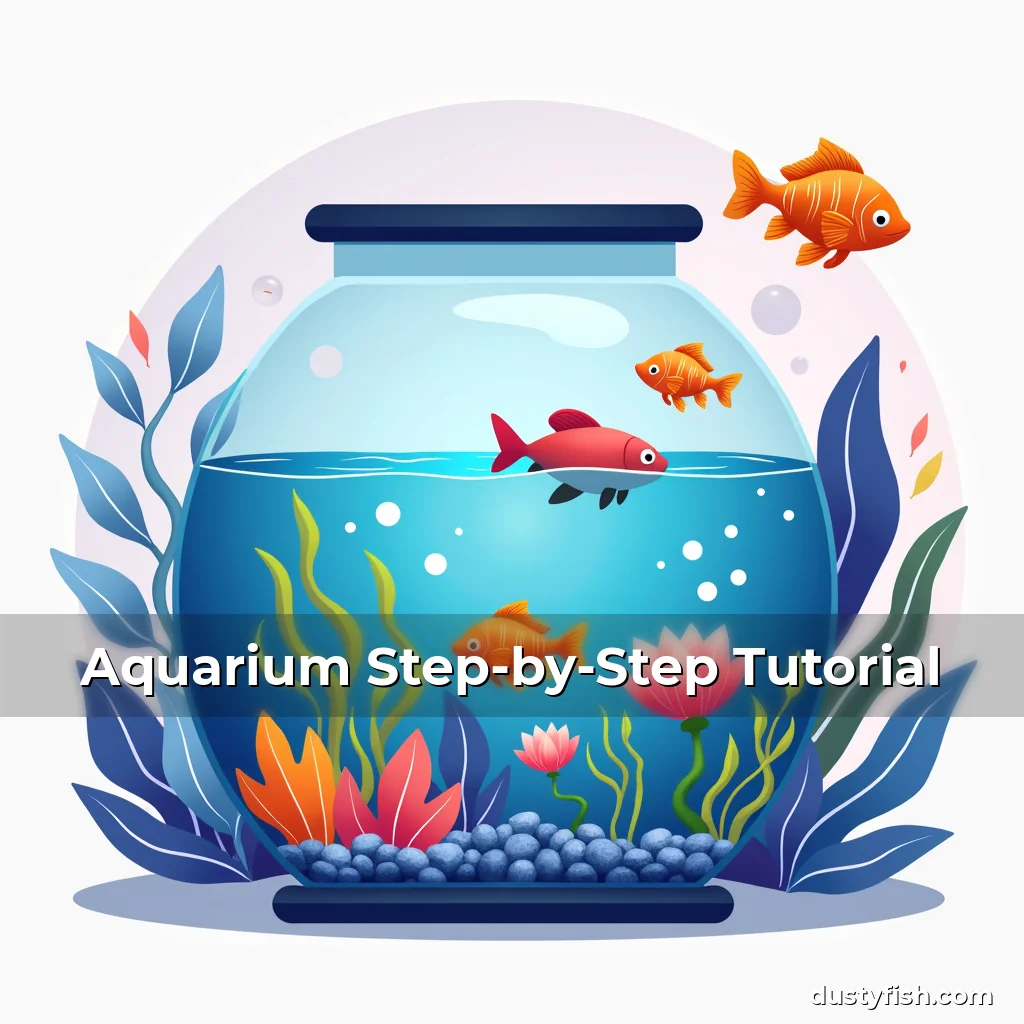
The Art of Creating an Underwater Paradise: A Comprehensive Aquarium Journey
Welcome to the enchanting world of aquariums, where science meets artistry in creating miniature aquatic ecosystems. Whether you’re a seasoned hobbyist or a curious beginner, this guide will walk you through every step of building your own underwater sanctuary.
From selecting the perfect tank size to maintaining optimal water conditions, we’ll explore the essentials that make aquatic life thrive. Discover how to choose the right fish species, design captivating landscapes, and ensure long-term sustainability for both marine and freshwater environments.
Selecting Your Aquatic Sanctuary: The Tank Selection Process
Your journey begins with choosing the ideal tank that matches your lifestyle and space requirements. Consider factors such as room availability, maintenance schedule, and future expansion plans when making this crucial decision.
Tank sizes range from compact desktop models suitable for small apartments to massive custom-built systems requiring dedicated rooms. Standard dimensions often start at 20 gallons for beginners but can expand significantly based on your ambitions.
Material quality is critical – tempered glass tanks offer superior durability compared to plastic alternatives. Look for reinforced corners and seamless construction to prevent leaks during installation.
- Glass vs. Acrylic: Glass provides better clarity but weighs more, while acrylic offers flexibility but requires careful handling to avoid scratches.
- Stand Stability: Always verify that your chosen stand supports the full weight capacity of the filled tank, considering potential future upgrades.
Mastering Water Chemistry: Building the Perfect Environment2>
Create a stable aquatic environment by mastering essential water parameters. Monitor temperature, pH levels, ammonia, nitrite, and nitrate concentrations regularly using reliable test kits.
Use dechlorinators to remove harmful chemicals from tap water before adding any livestock. Allow new water to sit overnight to reach ambient room temperature before filling your tank.
Regular partial water changes are vital – aim for 10-20% weekly replacements to maintain clean, healthy conditions. Invest in high-quality filtration systems that provide mechanical, biological, and chemical filtration stages.
Understanding Essential Parameters
Keeper track of five key water parameters: temperature, pH, ammonia, nitrite, and nitrate. Ideal ranges vary between freshwater and saltwater setups, so research your intended inhabitants’ requirements first.
Temperature stability is especially crucial for tropical fish species. Most require consistent temperatures around 24-28°C (75-82°F), achieved through properly sized heaters with built-in thermostats.
Pure water doesn’t exist naturally; even distilled water contains minerals beneficial for aquatic life. Use RO/DI units if you need ultra-purified water, but always remineralize appropriately afterward.
Saltwater enthusiasts must pay special attention to salinity levels, measuring parts per thousand (ppt) rather than simple measurements like teaspoons per gallon. Regular testing ensures consistent conditions despite evaporation losses over time.
Cycle Your Tank: Establishing Biological Filtration
Before introducing any living creatures, establish biological filtration through the nitrogen cycle process. This natural process develops nitrifying bacteria that convert toxic ammonia into less harmful compounds.
Set up filters, substrate, and decorations then allow the system to run for several weeks without fish. Test water daily until ammonia and nitrite levels consistently return to zero while nitrate remains detectable.
Different methods accelerate cycling including using live plants, filter media from established tanks, or commercial bacterial supplements. However, patience yields the best results for long-term stability.
Designing Your Aquascape: Crafting Living Masterpieces
Transform your empty tank into a breathtaking underwater scene through creative aquascaping techniques. Combine functional elements with artistic expression to create visually stunning habitats.
Layer substrates to mimic natural riverbeds or ocean floors, incorporating sand, gravel, or specialized planted soil mixtures depending on your plant needs. Arrange rocks and driftwood to form natural-looking structures and hiding places.
Lighting plays a crucial role in both aesthetics and plant growth. Choose LED fixtures with adjustable spectrums and timers to simulate day/night cycles and promote healthy photosynthesis in planted aquariums.
Consider open swimming areas for active fish species versus more densely vegetated zones for shy or territorial individuals. Balance visual appeal with practical considerations for each inhabitant’s behavior patterns.
Fish Selection Fundamentals: Choosing the Right Inhabitants
Research compatible fish species that share similar environmental preferences and temperaments. Match aggression levels among schoolers, omnivores, and predators when designing your community tank.
Start with hardy, easy-to-care-for species like guppies, tetras, danios, or mystery snails. Avoid overcrowding by following the general rule of thumb – one inch of adult length per gallon of water for non-planted tanks.
Some fish prefer dimly lit environments while others thrive under bright illumination. Take these preferences into account when deciding on lighting intensity and placement within your tank layout.
Special care is required for delicate species like bettas or discus, which demand precise water conditions and additional heater requirements beyond basic setup guidelines.
Nutrition & Feeding Strategies: Sustaining Healthy Populations
Provide balanced nutrition tailored to your fish’s dietary needs – herbivores, carnivores, or omnivores have distinct nutritional requirements that must be met daily.
Vary food sources to prevent deficiencies and promote overall health. Offer flakes, pellets, frozen foods, and occasional fresh vegetables according to each species’ feeding habits and schedules.
Feed only what can be consumed within two minutes to avoid uneaten food decaying in the tank. Clean leftover food promptly to prevent algae blooms and water quality issues.
Supplement with vitamin-enriched foods periodically to boost coloration and immune function. Consult veterinary professionals for medication protocols when treating sick or injured specimens.
Maintenance Routines: Ensuring Long-Term Success
Educate yourself on regular maintenance tasks that contribute to a thriving aquatic ecosystem. Daily checks complement weekly cleaning routines and monthly deep cleans to sustain water quality.
Keep records of water tests, feedings, and observations to identify patterns and anticipate potential problems early. Document changes in fish behavior or appearance that might indicate health concerns.
Schedule routine equipment inspections to catch wear-and-tear issues before they cause failures. Replace carbon filters every four weeks and check heater functionality quarterly for accuracy.
Troubleshooting Common Issues: Problem-Solving Techniques
Learn to recognize warning signs indicating problems within your aquarium ecosystem. Rapid declines in water quality or sudden behavioral changes in fish may signal underlying issues needing immediate attention.
Test water frequently when troubleshooting apparent issues – fluctuations in ammonia, nitrite, or pH could reveal hidden causes behind abnormal fish behaviors.
Isolate sick individuals to prevent disease spread and treat them separately. Quarantine new additions for at least two weeks to reduce parasite transmission risks.
Expanding Your World: Advanced Setup Possibilities
As your skills develop, consider exploring advanced aquarium types like reef tanks, paludaria, or biocenosis systems offering greater complexity and rewards. These specialized formats demand extra knowledge and resources.
Reef tanks house corals, anemones, and other sensitive invertebrates requiring precise control over light intensity, flow rates, and nutrient levels. Paludaria combine land and water features resembling natural wetland ecosystems.
Biocenosis systems replicate complex ecological interactions found in nature, demanding meticulous planning and monitoring to maintain balance among competing organisms.
Each advanced format presents unique challenges and learning opportunities. Research extensively before upgrading your current setup to ensure success with more sophisticated aquatic communities.
Whether maintaining a traditional community tank or embarking on ambitious projects, remember that aquarium keeping is a continuous learning experience filled with rewarding discoveries and unexpected challenges along the way.
Embrace the journey of nurturing aquatic life while developing your personal style and expertise through trial, error, and persistent curiosity about the fascinating world beneath our oceans’ surface.
Conclusion
This comprehensive exploration has equipped you with the foundational knowledge needed to cultivate thriving aquatic environments. From initial setup to advanced techniques, each step contributes to the successful creation of underwater worlds that bring joy and fascination to their caretakers.
Remember, the most rewarding aspect of aquarium keeping lies not just in technical mastery, but in the daily observation and connection with the vibrant life forms you nurture. As you continue your journey, let curiosity drive your experimentation while always prioritizing the well-being of your aquatic residents.
“`<|End of Content|>“`


news is a contributor at DustyFish.com. We are committed to providing well-researched, accurate, and valuable content to our readers.
You May Also Like

Advanced Aquarium Plants Techniques and Methods
The Living Canvas: Transforming Your Aquarium with Aquatic Plants In the realm of aquatic ecosystems, aquarium plants serve as both...
Best Aquarium Tips and Strategies
The Ultimate Dive Into Aquatic Living: A Comprehensive Guide to Aquariums Welcome to the vibrant world of aquarium keeping, where...
Aquarium for Beginners: Getting Started
The Enchanting World of Aquariums: A Journey Through Underwater Beauty In an age where digital screens dominate our attention spans,...
Aquarium Best Practices 2025
The Ultimate Aquatic Haven: Mastering Aquarium Care in 2025 In an era where urban living often disconnects us from nature's...