


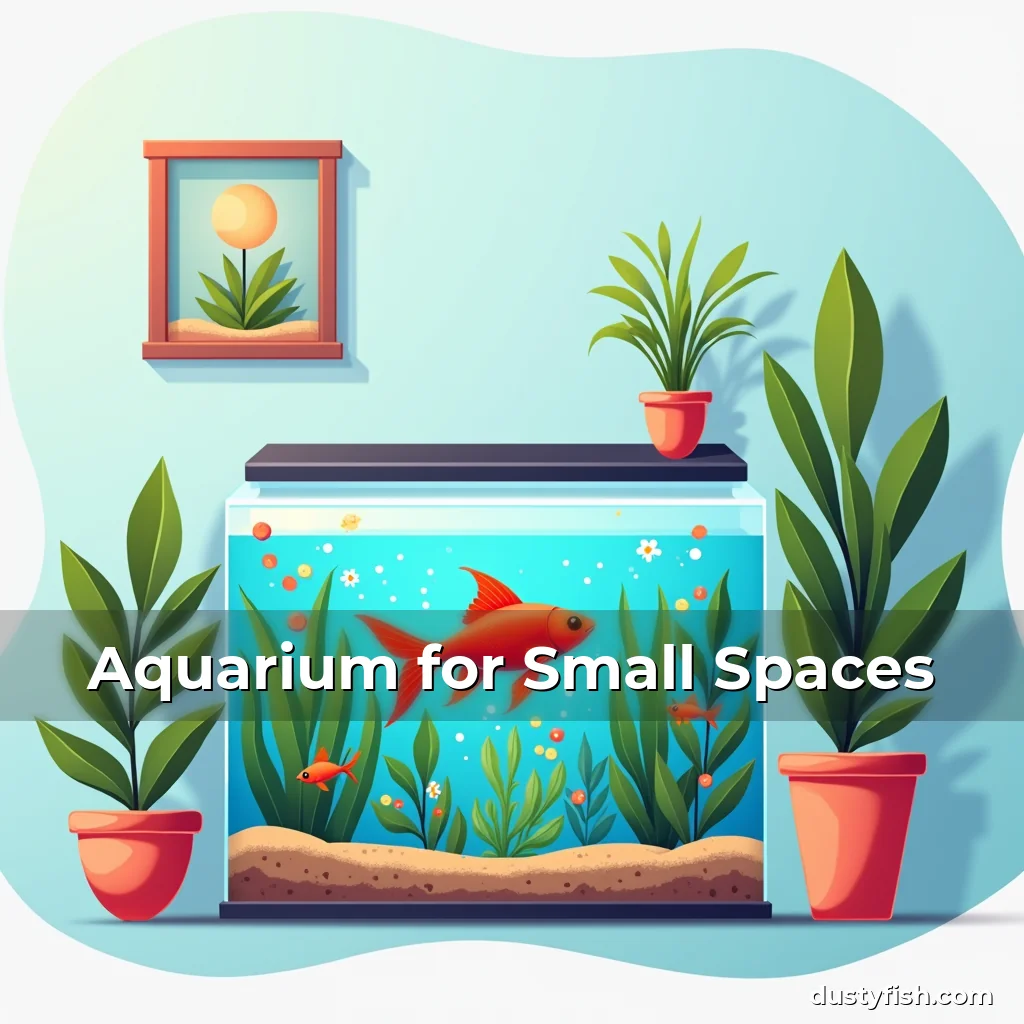
The Hidden World Beneath Your Feet: Exploring the Microcosm of Aquariums in Everyday Life
In our fast-paced world filled with digital screens and concrete jungles, aquariums offer a serene escape that connects us back to nature’s quiet wonders. This hidden microcosm transforms any living space—be it an apartment or a home office—into a tranquil oasis where marine life thrives within glass walls.
Capturing the beauty of aquatic ecosystems doesn’t require vast spaces; even small enclosures can become vibrant habitats when thoughtfully designed. From saltwater reefs teeming with colorful fish to freshwater tanks housing delicate plants, each setup tells its own story through carefully curated environments.
The Art of Miniature Aquascaping: Creating Living Masterpieces Within Inches
Aquascaping is the artful arrangement of aquatic elements such as rocks, driftwood, and live vegetation to
In our fast-paced world filled with digital screens and concrete jungles, aquariums offer a serene escape that connects us back to nature’s quiet wonders. This hidden microcosm transforms any living space—be it an apartment or a home office—into a tranquil oasis where marine life thrives within glass walls. Capturing the beauty of aquatic ecosystems doesn’t require vast spaces; even small enclosures can become vibrant habitats when thoughtfully designed. From saltwater reefs teeming with colorful fish to freshwater tanks housing delicate plants, each setup tells its own story through carefully curated environments. Aquascaping is the artful arrangement of aquatic elements such as rocks, driftwood, and live vegetation to create visually stunning underwater landscapes. These miniature worlds reflect principles from landscape design but adapted specifically for submerged environments. Designers often use techniques similar to those found in Japanese rock gardens, emphasizing balance between natural features while leaving ample room for water movement patterns. The interplay of light filtering through clear water enhances visual depth perception significantly. Proper lighting plays a crucial role in maintaining both aesthetic appeal and biological functions necessary for plant growth. LED panels provide adjustable spectrum options suitable for most aquatic flora types available today. Maintaining equilibrium among these components ensures long-term stability within enclosed systems, making them not only beautiful displays but also educational tools showcasing ecological processes at work daily. Behind every thriving aquarium lies complex biochemical interactions known collectively as nutrient cycles. These include nitrogen fixation pathways involving beneficial bacteria that convert ammonia produced by waste into less harmful substances. An established filter system containing bio-media houses colonies responsible for nitrification—a vital process transforming toxic compounds into forms usable by aquatic plants during photosynthesis stages. Data shows: Well-maintained closed-loop systems exhibit approximately 90% efficiency rates regarding nitrogen removal compared to traditional open-water bodies lacking structured microbial communities. Dissolved oxygen levels must remain consistently high enough to support gill respiration mechanisms across all resident organisms. Air stones connected via tubing help circulate fresh air bubbles ensuring adequate gas exchange occurs continuously throughout the day-night cycle. Algae might seem problematic initially due to potential overgrowth issues, yet they serve essential roles, particularly concerning carbon sequestration abilities. Certain strains absorb excess nutrients, preventing algal blooms caused by imbalances elsewhere in the tank. Encouraging moderate amounts of beneficial algae helps maintain clearer waters through the competitive exclusion principle, whereby limited resources prevent aggressive species from dominating other aquatic lifeforms present. Sometimes referred to as “green gold,” some hobbyists cultivate specialized varieties capable of producing pigments used in food industries for colorings while simultaneously acting as biological indicators alerting owners to early warning signs of imbalances developing inside their closed ecosystems. This dual-purpose function makes strategic management critical since unchecked proliferation could lead to suffocation events, especially in smaller tanks experiencing sudden changes in environmental conditions. Choosing appropriate inhabitants depends largely upon available volume capacities as well as overall maintenance commitments expected from caretakers involved in ongoing upkeep responsibilities required to sustain healthy conditions indefinitely. Fish species selection varies based on tank size restrictions imposed by the physical dimensions of containers holding the liquid environment. Nano reef setups typically house shrimp populations alongside soft corals rather than larger predatory animals requiring expansive territories. Popular nano-reef choices include: Livebearers like mollies and guppies thrive under proper feeding schedules maintained regularly, despite small enclosure limitations provided filtration capabilities are sufficient to remove metabolic wastes efficiently before accumulation reaches dangerous thresholds. Avoiding incompatible pairings reduces stress-induced illnesses commonly observed in cramped quarters unable to accommodate social hierarchies necessary for successful cohabitation arrangements between competing factions within the same species groupings. Recent advances have revolutionized how individuals manage artificial aquatic habitats, including automated dosing pumps precisely administering supplements tailored to individual needs residing in tanks without manual intervention required for frequent adjustments otherwise needed traditionally. Smart sensors integrated into control panels monitor parameters like pH fluctuations and salinity concentrations, automatically adjusting settings accordingly to maintain optimal ranges desired, regardless of external influences affecting ambient temperatures and humidity levels fluctuating unpredictably. Remote access features allow users to check the status remotely via smartphone devices, receiving alerts whenever anomalies are detected indicating possible equipment failures demanding immediate attention prior to escalation situations becoming unmanageable. Some cutting-edge models employ AI algorithms analyzing historical data to predict future requirements, enabling proactive measures to be taken preemptively instead of reactive approaches previously reliant solely on human observation skills alone. Establishing new aquatic environments involves initial investments spanning several hundred dollars, depending on the scale and complexity of chosen designs executed according to personal preferences and aesthetics valued highly, determining the value added experience derived from engaging in an activity pursuing cultivating self-sustaining miniatures reflective of broader biosphere characteristics replicated effectively indoors protected settings shielding sensitive creatures from harsh outdoor elements threatening survival chances exposed to prolonged periods of unsuitable climates. Ongoing operational costs vary widely depending on energy consumption associated with lighting systems selected, whether utilizing traditional bulbs versus modern LED alternatives consuming less electricity generating identical luminosity outcomes favorably impacting monthly utility bills. Replacement parts constitute another recurring expense category, particularly filters and media replaced periodically to extend the lifespan of machinery installed originally intending to last years longer depending on usage intensity experienced wear and tear accelerated degraded performance noticeable gradually over time necessitating timely upgrades avoiding complete breakdown incidents risking permanent loss of collections nurtured painstakingly developed. Purchase decisions heavily influence brand reputation, reliability, and services offered post-sale support networks readily accessible resolving technical difficulties encountered unexpectedly manner promptly minimizing downtime disrupting routines established around regular care schedules already ingrained in daily habits lifestyle transformations initiated by adopting hobbies focused on nurturing alternative realities escaping mundane existence dominated by monotony repetition devoid creativity spontaneity inherent in living organism interactions occurring constantly dynamic equilibrium always shifting responding to stimuli introduced randomly unpredictable fashion inherently chaotic nature wild untouched corners of earth still mysteries awaiting discovery unveiling secrets concealed beneath surface waters transparent containers housing tiny universes observable firsthand up close personally. While aquariums bring joy and education, they carry significant ethical considerations relating to sustainability practices adopted in sourcing materials used for constructing habitats ensuring minimal disruption to ecosystems originating from locations obtaining supplies utilized for outfitting interiors for functional decorative purposes alike. Responsible aquarism emphasizes: Water conservation initiatives play a pivotal role in mitigating the negative impact footprint left behind by activities related to maintenance procedures conducted routinely preserving finite resource allocated planetary scope. Collecting rainwater and employing greywater recycling methods provides sustainable alternatives reducing dependency on municipal supply sources strained by growing populations demanding increased volumes continually expanding infrastructure demands placed upon existing distribution frameworks burdened by aging piping systems prone to leaks and bursts causing unnecessary wastage environmentally irresponsible conduct detrimental to ecological integrity of fragile equilibriums threatened by constant interference from human interventions meddling with natural order unfolding outside manmade constructs erected barriers separating people from oceans they once freely accessed intimately understood through direct interaction now mediated by filtered perspectives shaped by cultural narratives constructed over generations reinforcing misconceptions reality truly embodies. Certifications such as Seafood Watch program ratings guide consumers selecting ethically sourced seafood products verifying compliance with standards guaranteeing humane treatment of caught and released specimens returning to habitats respecting regulations safeguarding future viability of resources harvested ensuring replenishment cycles sustained uninterrupted passage forward for subsequent generations inheriting a planet enriched in abundance and diversity coexisting harmoniously with fellow beings sharing a common sphere of existence on this celestial body orbiting the sun amidst infinite cosmos. Engaging online forums, local clubs, and meetups foster camaraderie among enthusiasts exchanging knowledge, troubleshooting issues, and overcoming challenges faced in managing intricate ecosystems demanding patience and dedication mastering skills required to successfully navigate complexities inherent in this niche discipline blending science and artistry together seamlessly. Benefits of participating in active communities include: Virtual platforms enable global connections transcending geographic limitations allowing participants to interact irrespective of location constraints promoting cross-cultural exchanges broadening horizons appreciating differences and similarities enriching understanding of origins and traditions shaping current practices followed worldwide. Local events facilitate hands-on demonstrations teaching fundamental skills essential for establishing and maintaining flourishing aquariums empowering novices to feel confident in pursuing their passions without fear of failure setbacks inevitable part of the learning curve embracing mistakes as stepping stones towards mastery with the ultimate goal of achieving self-sufficiency and independence in managing systems autonomously equipped with requisite knowledge and expertise necessary to accomplish tasks proficiently, efficiently, and reliably maintaining pristine conditions perpetually. From compact desktop units to sprawling public exhibits, aquariums invite exploration of the captivating beauty and resilience found within the smallest confines demonstrating incredible adaptability of life forms capable of thriving in confined spaces meticulously engineered to replicate natural conditions in sustainably balanced environments. Whether seeking relaxation, an news is a contributor at DustyFish.com. We are committed to providing well-researched, accurate, and valuable content to our readers. The Living Tapestry of Aquascaping: A Deep Dive into Aquarium Plant Selection and Care In the shimmering world beneath the... The Ultimate Dive Into Aquatic Living: A Comprehensive Guide to Aquariums Welcome to the vibrant world of aquarium keeping, where... The Enchanting World of Aquariums: A Journey Through Underwater Beauty In an age where digital screens dominate our attention spans,... The Art of Creating an Underwater Paradise: A Comprehensive Aquarium Journey Welcome to the enchanting world of aquariums, where science...The Hidden World Beneath Your Feet: Exploring the Microcosm of Aquariums in Everyday Life
The Art of Miniature Aquascaping: Creating Living Masterpieces Within Inches
Nutrient Cycles in Closed Systems: How Microorganisms Support Aquatic Ecosystems
The Role of Algae in Sustainable Tank Maintenance
Selecting Suitable Species For Limited Space Habitats
Technological Innovations Enhancing Modern Aquarium Care
Economic Considerations When Establishing Personal Water Gardens
Environmental Impact & Ethical Responsibilities Toward Captive Marine Life
Community Building Through Shared Interests In Underwater Worlds
Conclusion
You May Also Like
Aquarium Plants Strategies and Implementation
Best Aquarium Tips and Strategies
Aquarium for Beginners: Getting Started
Aquarium Step-by-Step Tutorial


