


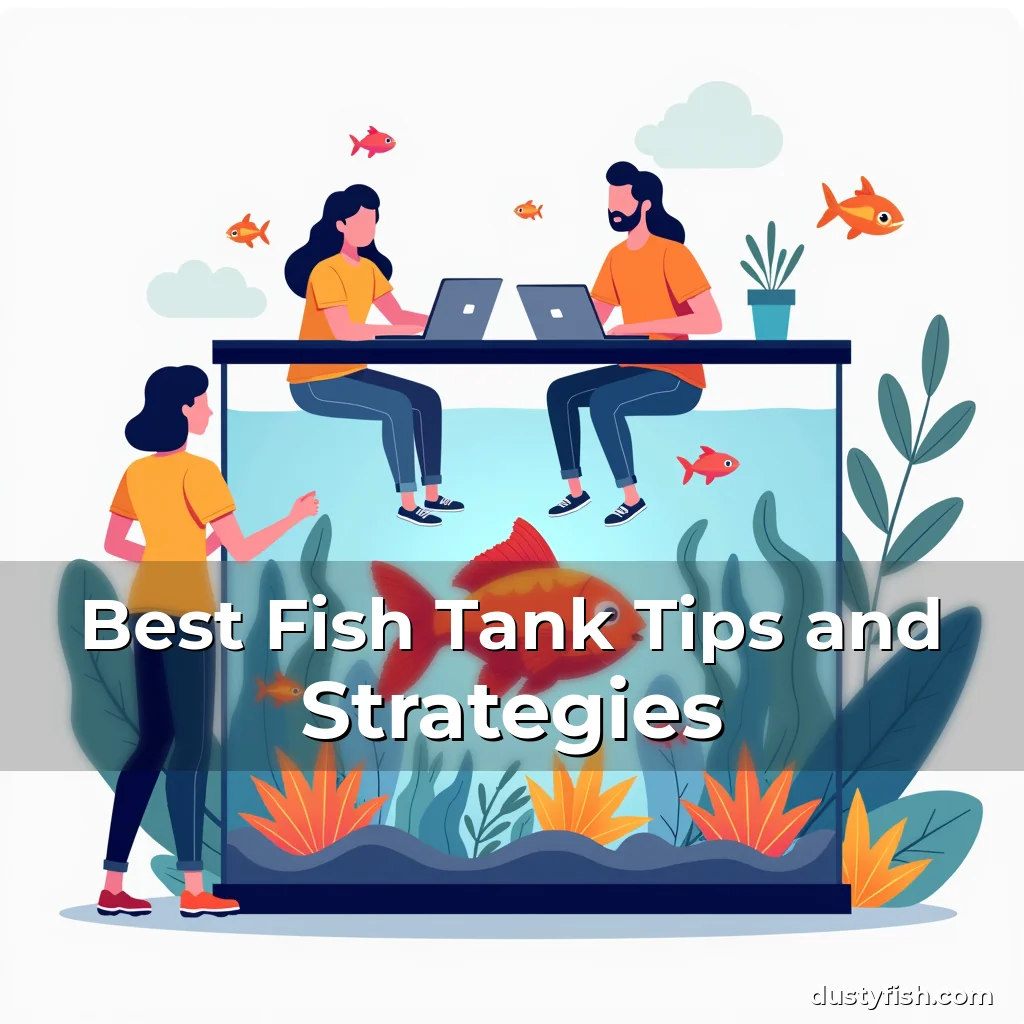
The Ultimate Guide to Creating a Thriving Fish Tank Ecosystem
Fish tanks are more than just decorative elements; they’re miniature ecosystems that require careful planning and maintenance to thrive. Whether you’re a beginner setting up your first aquarium or an experienced hobbyist looking to refine your techniques, understanding the fundamentals is essential.
A well-maintained fish tank can provide years of enjoyment while offering a captivating view of aquatic life. The key lies in creating a balanced environment that supports both plant and animal life without becoming overwhelming for newcomers.
Understanding Aquarium Basics
Before purchasing any equipment or livestock, it’s crucial to understand the basic components of an effective fish tank setup. A typical aquarium consists of several interdependent systems working together to maintain water quality and support aquatic life.
Proper filtration is arguably the most critical aspect of maintaining healthy water conditions. Mechanical filters remove debris through physical means, while biological filters house beneficial bacteria that break down harmful waste products.
- Water circulation: Adequate water movement ensures oxygenation and prevents stagnant zones where toxins may accumulate
- Tank size: Larger tanks offer greater stability but require more space and resources to maintain
- Lighting requirements: Different species have varying needs ranging from low-intensity LED lighting to high-output systems for planted tanks
The type of substrate used at the bottom of your tank also plays a significant role in overall health. Gravel provides excellent surface area for bacterial colonization but requires regular vacuuming to prevent buildup of detritus.
Sediment-based substrates like sand create fewer cleaning challenges but may limit root development for certain plants when not properly managed.
Selecting the Right Equipment
Choosing appropriate equipment tailored to your specific needs will greatly impact long-term success. While some items are standard across all setups, others depend heavily on tank inhabitants and environmental goals.
An efficient filtration system forms the backbone of any successful aquarium. External canister filters often prove superior due to their larger media capacity compared to internal powerheads which tend to generate excessive noise.
Heating devices become necessary for tropical species maintained above ambient room temperature. Digital thermostats allow precise control over water temperatures ensuring stable living conditions for sensitive organisms.
Evaluating Filter Options
Different filter types serve distinct purposes within a marine or freshwater habitat. Sponge filters work particularly well for breeding tanks housing fry or delicate invertebrates due to their gentle flow characteristics.
Hang-on-back units offer convenience by combining mechanical, chemical, and biological filtration functions in compact designs suitable for smaller spaces.
In general, aiming for a minimum turnover rate of four times per hour helps ensure adequate water movement though exact numbers vary depending on stocking density and desired bioload levels.
Cycling Your New Aquarium
Establishing a mature biofilter before adding live animals significantly reduces stress during initial setup phases. This process typically takes between three to six weeks allowing time for nitrifying bacteria colonies to fully develop.
During cycling, ammonia spikes occur as fish waste accumulates until sufficient nitrobacter populations convert nitrogenous compounds safely. Monitoring parameters daily using test kits helps track progress effectively.
You can accelerate the cycle artificially by adding bottled cultures containing established bacterial strains although this method carries risks associated with potential contamination issues.
Once NO3 levels stabilize below acceptable thresholds (~20ppm), introducing hardy species such as zebra danios becomes feasible. These resilient fish help establish food chains naturally without overwhelming developing microbial communities.
Stocking Your Tank Appropriately
Overstocking remains one of the leading causes of poor water quality despite common misconceptions about higher densities equating increased visual appeal. Following general rule-of-thumb guidelines offers protection against rapid parameter fluctuations.
The popular “one inch of fish per gallon” guideline serves only as starting reference rather than strict limitation since actual requirements depend largely upon activity level and metabolic rates among different species.
Researching compatibility factors including aggression tendencies, dietary preferences, and territorial behaviors helps avoid conflicts later on. Some fish exhibit extreme sensitivity towards particular water chemistry parameters requiring specialized care routines.
Maintaining Optimal Water Conditions
Regular testing of key indicators allows early detection problems before they escalate into serious threats. Parameters like pH, hardness, ammonia, nitrite, and nitrate need consistent monitoring especially after performing routine maintenance tasks.
Partial water changes constitute vital part ongoing upkeep regimen helping dilute accumulated pollutants while replenishing trace minerals lost during normal operation cycles.
Aim to replace approximately twenty percent of total volume weekly adjusting frequency based on observed readings. Using dechlorinated tapwater maintains consistency without shocking resident microorganisms unnecessarily.
Testing kit accuracy diminishes overtime necessitating periodic calibration checks against known standards sources available commercially today.
Nutrition and Feeding Practices
Providing nutritious diets tailored specifically for each individual species maximizes growth potential minimizes risk digestive ailments. Commercial pellets remain convenient option yet insufficient alone for many carnivorous varieties.
Varying food offerings ensures complete nutrient profiles covering all essential vitamins and amino acids required optimal physiological function. Live foods enhance natural hunting instincts stimulate appetite response patterns seen wild counterparts.
Feeding schedules should follow daily intervals avoiding excess leftovers which contribute organic loading increasing chances disease outbreaks later. Observing eating behavior indicates whether adjustments needed improving efficiency intake processes.
Planted Tanks: Enhancing Visual Appeal & Biological Function
Incorporating live vegetation enhances aesthetic value through dynamic color displays changing according seasonal variations. Plants also perform ecological roles assisting natural purification mechanisms reducing dependency synthetic additives.
Selecting suitable flora depends heavily upon light intensity availability along with CO₂ supplementation capabilities. Low-light species thrive under minimal illumination whereas advanced setups employ pressurized injection systems maintaining elevated concentrations continuously.
Maintenance routines differ slightly compared traditional barren environments requiring attention pruning dead matter preventing algae proliferation caused unchecked growth patterns.
Prioritize acquiring robust specimens capable enduring occasional mistakes beginners commonly make such improper fertilization ratios disrupting delicate equilibrium maintained carefully cultivated landscapes.
Troubleshooting Common Issues
Fish exhibiting unusual swimming patterns or loss interest feeding could indicate underlying health concerns needing immediate intervention. Isolating affected individuals facilitates targeted treatment without risking spread contagion throughout entire population.
Cloudy water appearances frequently result from bacterial blooms triggered overfeeding incidents or inadequate filtration performance. Identifying source problem enables corrective actions restoring clarity rapidly.
Bubble formation around filter outlets suggests presence dissolved gases indicating possible gill damage from high chlorine exposure despite prior dechlorination measures taken during fill procedures.
Presence of white film coatings surfaces might signify fungal infections developing secondary complication existing wounds injuries sustained rough handling transitions between different environments.
Advanced Techniques for Experienced Hobbyists
Experienced aquarists explore innovative methods pushing boundaries conventional practices maximizing benefits derived controlled ecosystems. Implementing refugiums separates nutrient processing stages providing safe haven macroalgae responsible absorbing surplus nitrogen compounds.
Refugeiums contain deep sand beds promoting anaerobic decomposition processes eliminating toxic metabolites otherwise problematic open areas subject direct agitation currents passing through primary display regions.
Using protein skimmers removes organics before breakdown occurs reducing likelihood algal outbreaks maintaining clearer water quality throughout extended periods without frequent interventions.
Targeted dosing regimens calibrated precisely individual needs optimize supplement absorption minimizing wastage resulting cloudiness or precipitation reactions forming insoluble compounds precipitate out solution.
Community Building Within Fish Keeping Circles
Participating local clubs online forums fosters knowledge sharing troubleshooting real-time interactions exchanging experiences gained diverse situations encountered fellow enthusiasts world-wide.
Attend monthly meetings workshops featuring guest speakers discussing latest research developments product reviews covering emerging technologies revolutionizing industry landscape recently adopted professionals amateurs alike.
Sharing personal stories successes failures builds camaraderie strengthening bonds formed mutual respect shared passion cultivating thriving aquatic habitats regardless geographical locations separated distances.
Conclusion
Creating a flourishing fish tank demands commitment continuous learning adapting evolving circumstances affecting delicate balance maintained within confined spaces.
By implementing these strategies consistently observing closely interacting elements composing complex web relationships sustaining vibrant underwater realms accessible all skill levels willing invest effort achieve rewarding outcomes.


news is a contributor at DustyFish.com. We are committed to providing well-researched, accurate, and valuable content to our readers.
You May Also Like

Fish Tank Best Practices 2025
Fish Tank Best Practices 2025 In an era where home environments are increasingly viewed as extensions of personal well-being, maintaining...
Tilapia in Stardew Valley: The Elusive Summer Fish
Tilapia is a fish that is notoriously difficult to catch in the game, despite the numerous resources available to help....
How to Choose Fish Tank: Expert Guide
The Ultimate Guide to Choosing the Perfect Fish Tank for Your Home Aquascape In today's fast-paced world, creating an aquatic...

Save Money on Water Bills in Texas: Tips for Cutting Down on Expenses
Water Conservation in the Home • Limit bathroom flushing to only when necessary, such as after using the toilet or...