


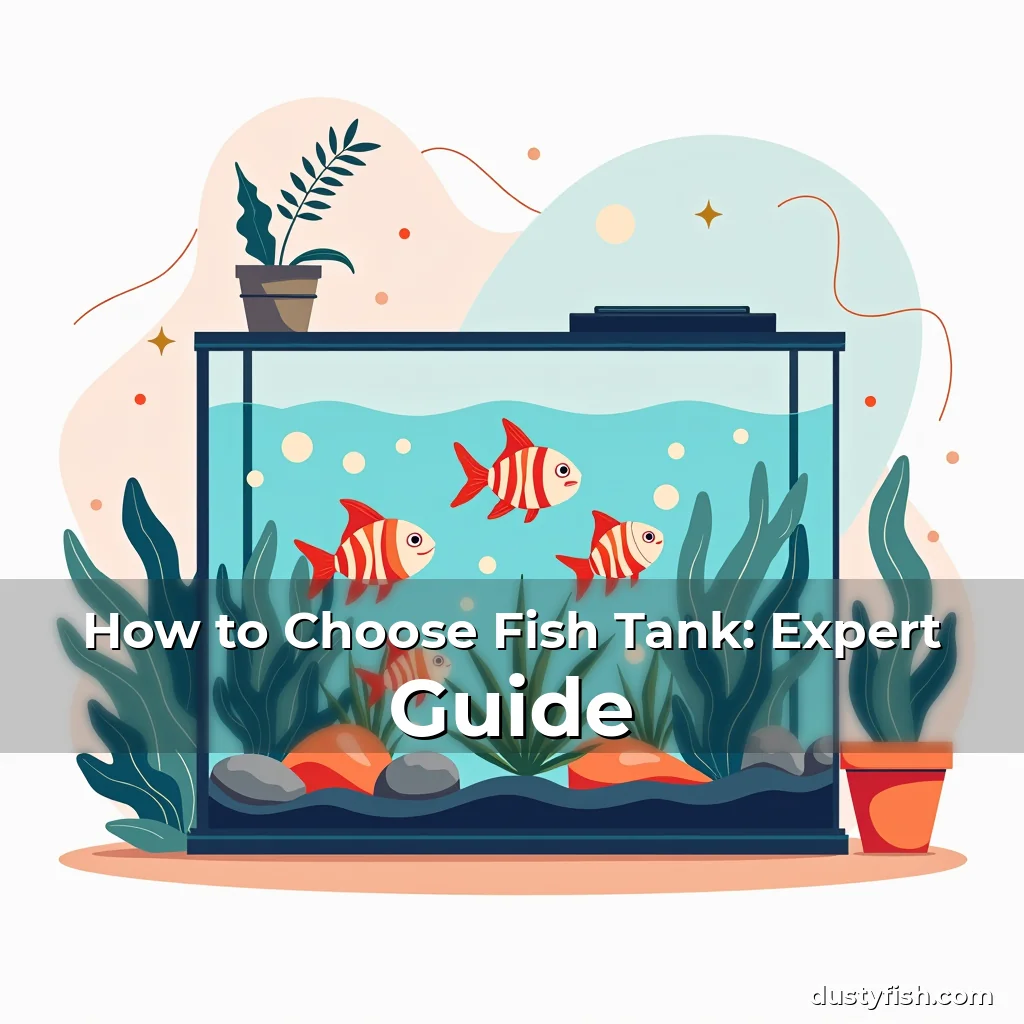
The Ultimate Guide to Choosing the Perfect Fish Tank for Your Home Aquascape
In today’s fast-paced world, creating an aquatic oasis at home has become both an art form and a science. For enthusiasts who appreciate the delicate balance between nature and design, selecting the right fish tank is not merely about aesthetics—it’s about building a thriving underwater ecosystem that reflects your personal style while meeting the needs of its aquatic inhabitants.
This guide delves deep into everything you need to know before making such a significant investment. Whether you’re a first-time hobbyist or an experienced aquarist looking to upgrade your setup, understanding key factors like tank size, material quality, filtration systems, and maintenance requirements can make all the difference in ensuring long-term success and enjoyment from your aquarium.
Evaluating Your Space and Lifestyle Needs
Before even considering what type of fish tank to buy, take stock of where you plan to place it within your living space. The location significantly influences which tanks are suitable—considering things like available floor area, proximity to electrical outlets, sunlight expo
A well-thought-out placement ensures accessibility without being intrusive; ideally positioned near but not blocking pathways, windowsills are often popular spots because they offer natural light sources beneficial for planted setups though artificial lighting might still be necessary depending upon local conditions.
Your lifestyle also plays a role here—if you travel frequently or have unpredictable schedules, opting for low-maintenance species along with easy-to-clean materials could save considerable time later down the line compared to high-tech reef aquariums requiring daily attention.
Additionally, think about how much visual impact you want this feature piece to have – larger tanks tend to command more presence than smaller ones so choose based on both practicality and aesthetic preference when deciding between corner units versus wall-mounted alternatives designed specifically for limited spaces.
Fish Tank Sizes and Shapes: Finding What Works Best For You
One common mistake newbies make is underestimating the importance of choosing appropriately sized tanks relative to their intended purpose whether that means housing tropical community fish or maintaining a lush saltwater reef system filled with corals & marine life alike.
Tank dimensions affect water chemistry stability due primarily to surface area-to-volume ratios—an aspect especially critical during initial cycling phases where ammonia levels must be carefully monitored until biological filters establish themselves properly over weeks/months depending on setup complexity.
Standard rectangular glass tanks remain popular choices amongst beginners thanks largely because they’re readily available through most pet stores plus provide good visibility across all sides allowing viewers full appreciation of whatever aquatic scene unfolds inside regardless orientation chosen.
Corner models prove particularly useful those dealing cramped quarters since these utilize otherwise wasted diagonal areas efficiently thereby maximizing usable volume despite occupying less square footage typically associated conventional straight-edged designs.
- Literacy Level: Beginners usually find round or oval shaped acrylic tanks easier to manage initially as curved surfaces reduce sharp edges making cleaning simpler although they don’t offer same level depth control found standard rectangular forms better suited advanced users aiming precise water parameters.
- Species Compatibility: Larger volumes allow greater diversity among occupants by providing ample swimming room preventing overcrowding situations leading aggressive behaviors amongst certain types bottom feeders which thrive shallow depths rather open expanses.
Sometimes overlooked factor relates future expansion possibilities—if ever intending add additional livestock later down road consider purchasing slightly bigger unit now rather trying squeeze extra inches afterwards when already established ecosystem difficult alter substantially without causing undue stress organisms currently residing within confines.
Ultimately decision hinges balancing immediate requirements alongside anticipated growth trajectory thus wise approach involves consulting online communities comprised fellow aquarists sharing similar goals experiences potentially revealing insights previously unknown individual prior commitment subject matter.
Material Selection Matters More Than Most Realize
Different construction methods yield varying results regarding durability longevity performance aspects vital long-term satisfaction owning functional beautiful display piece simultaneously capable sustaining healthy environment creatures call home.
Glass remains traditional favorite largely attributable superior clarity provided clear view contents contained therein; however downside involves susceptibility breakage risk even minor impacts unless reinforced adequately via tempered varieties widely sold nowadays.
Acrylic alternatives present lighter weight solution ideal households concerned heavy furniture potentially damaging flooring structures beneath particularly problematic apartments buildings strictly regulated load capacities imposed landlords.
Moreover notable benefit associated transparent plastics lies enhanced resistance scratching compared brittle counterparts meaning occasional accidental bumps won’t leave permanent blemishes mar appearance otherwise pristine enclosure otherwise maintained meticulously regular intervals.
Despite advantages afforded modern composites some purists argue against them citing potential leaching chemicals overtime affecting sensitive organisms relying stable chemical composition throughout lifecycle—though recent advancements manufacturing techniques mitigated concerns considerably leaving choice largely dependent personal preferences environmental sensitivities involved respective household.
Certain niche markets cater specialized applications utilizing exotic substances like polycarbonate sheets employed commercial installations demanding extreme strength durability characteristics surpass typical residential specifications encountered everyday hobbyist scenarios.
Essential Components Every Fish Tank Should Include
No matter what kind model selected essential elements required creating viable habitat organism reside within must addressed thoroughly upfront planning process lest end up investing thousands dollars equipment ultimately discarded shortly thereafter due fundamental flaws implementation strategies adopted outset.
Without reliable filtration mechanism harmful toxins accumulate rapidly degrading water quality condition quickly lethal pathogens develop flourish unchecked environments lacking adequate biological mechanical processes responsible neutralizing waste products generated continuously residents internal organs excretion routines.
Lighting constitutes another non-negotiable facet particularly those cultivating live vegetation reliant photosynthesis conversion nutrients carbon dioxide oxygen—without sufficient illumination plants cannot perform basic functions sustaining themselves let alone supporting fauna populations dependant them indirectly benefiting ecosystem health overall.
Pumps circulation devices ensure uniform distribution temperatures throughout entire volume preventing localized hotspots cold zones disrupt normal physiological activities animals accustomed predictable thermal gradients exist naturally wild habitats.
Heaters maintain consistent ambient temperatures critical survival countless species originating regions characterized relatively narrow climatic ranges—fluctuations exceed acceptable thresholds result severe complications including disease outbreaks stunted growth developmental issues young fry stage development cycle.
Properly functioning substrate layer serves dual purposes providing anchorage rooted flora while acting reservoir beneficial bacteria colonies decomposing organic matter transforming nitrogenous compounds safer assimilable formats consumed filter media subsequently.
Lastly top-quality lid essential prevent evaporation losses conserve moisture vital maintaining balanced salinity concentrations especially freshwater ecosystems prone rapid depletion resources absent containment measures implemented effectively.
Selecting Appropriate Filtration Systems Based On Tank Volume And Species
Filtration stands cornerstone any successful aquarium endeavor directly correlating efficiency maintenance frequency dictated underlying technologies integrated system architecture—understanding nuances differentiating external hang-on-back models internal sump-based configurations helps discern optimal match particular circumstances faced aquarist embarking journey acquiring new installation.
Biological filters rely nitrifying bacteria converting toxic ammonia nitrites eventually nitrates manageable quantities absorbed plant roots used supplemental fertilizers promoting robust vegetative cover enhancing aesthetics besides contributing towards natural equilibrium desired sustainable microcosm replicated miniature planet Earth itself.
Mechanical components serve physical removal particulate debris suspending cloudiness reducing turbidity improving optical transparency viewing pleasure granted observers gazing interiors vibrant aquatic worlds unfold behind panes clear glass panels separating realms land sea coexist harmoniously side-by-side.
Chemical filtration utilizes activated charcoal zeolites adsorbing dissolved impurities pigments discolorations restoring crystal purity waters previously tainted industrial pollutants agricultural runoff etc.—periodic replacement necessary preserve effectiveness shielding aquatic life deleterious effects contaminants otherwise persist indefinitely undetected until catastrophic failures occur sudden spikes parameter readings alarm bells ring warning signs imminent disaster looming horizon.
Modern smart filters equipped sensors automatically adjusting flow rates according real-time data collected regarding pH levels hardness alkalinity ensuring continuous operation without manual intervention saving precious hours spent monitoring adjustments manually throughout day.
For instance saltwater reef keepers demand ultrafiltration membranes removing microscopic plankton particles competing coral polyps limiting food supply available symbiotic algae mutualistic relationships foundational structure reefs globally recognized biodiversity hotspots teeming millions marine species interacting complex web interdependencies spanning generations sustain ecological integrity oceans worldwide.
Navigating Lighting Options For Optimal Plant Growth And Animal Health
Lighting requirements vary dramatically depending primary objectives pursued namely whether focusing purely ornamental appeal showcasing colorful fish mesmerizing swimmers darting past vibrant corals or nurturing lush aquatic gardens featuring extensive plant coverage providing refuge shelter fostering microhabitats beneficial insects crustaceans assisting nutrient cycling purification processes occurring silently beneath surface waters.
LED panels dominate contemporary market offering adjustable spectrums wavelengths tailored specific needs—full spectrum options mimic daylight cycles enabling photoperiod regulation influencing breeding patterns molting schedules crucial stages reproductive cycles many aquatic organisms inhabiting confined spaces simulated environments replicating ancestral homes lost continents submerged abyssal plains far removed familiar landscapes terrestrial dwellings.
Compact fluorescent tubes preferred budget-conscious buyers seeking cost-effective solutions delivering adequate intensity without excessive energy consumption drawing unwelcome attention utility bills—however lifespan shorter LEDs necessitating frequent replacements impacting long-term savings projections initially enticing propositions turn costly endeavors repeated purchases accumulate unexpectedly.
High-intensity discharge lamps utilized professional-grade displays requiring intense illumination replicating underwater sunbeams piercing depths coastal shallows stimulating photosynthetic reactions accelerating growth rates plants attaining maturity states faster facilitating quicker establishment matured biotopes ready populated desirable wildlife specimens soon after completion infrastructure work commenced.
Smart lighting systems integrate timers controllers mimicking natural diurnal rhythms optimizing metabolic functions circadian clocks embedded cellular mechanisms governing sleep-wake cycles feeding times migration routes—all contributing toward healthier happier inhabitants thriving controlled conditions rather chaotic variables wild fluctuations unpredictability outdoor settings.
Maintaining Water Quality Through Regular Testing And Adjustments
Regardless of how meticulously you set up your aquarium, ongoing vigilance regarding water chemistry parameters remains paramount—this includes routine testing for ammonia, nitrite, nitrate, pH, general hardness, and carbonate hardness using either liquid reagent kits or electronic meters that provide instant digital readouts.
Ammonia and nitrite levels are especially critical during the initial cycling phase when beneficial bacterial colonies haven’t fully developed yet—excess buildup can lead to toxicity issues that may harm or kill fish if left unaddressed promptly.
While nitrates aren’t as immediately dangerous as their predecessors, consistently elevated concentrations can contribute to algae blooms and poor water quality over time, making periodic partial water changes essential to dilute these compounds back to safe levels.
pH fluctuations can cause significant stress to aquatic life, so monitoring this value regularly helps identify trends before drastic shifts occur—keeping a log of test results allows you to detect subtle changes early enough to intervene before problems escalate.
General hardness refers to the concentration of calcium and magnesium ions in the water, while carbonate hardness indicates buffering capacity against pH swings—both metrics play roles in determining compatibility between fish species and the suitability of tap water for direct use without treatment.
By establishing a consistent schedule for water testing and maintenance tasks, you’ll gain confidence knowing your aquarium maintains optimal conditions conducive to long-term health and vitality of its occupants.
Beyond Basics: Enhancing Aesthetic Appeal With Decorations And Live Plants
Once the fundamentals of water chemistry, filtration, and lighting are stabilized, turning attention toward embellishments enhances visual allure transforming simple vessel into captivating masterpiece blending functionality beauty seamlessly together.
Decorative elements range from realistic rock formations sculpted imitate natural landmarks submerged continents ancient ruins buried centuries ago awaiting rediscovery explorers brave enough venture uncharted territories hidden depths world below surface.
Live plants introduce dynamic dimensionality creating layered textures contrasting colors adding movement visual interest never static—carefully curated selections produce serene ambiance reminiscent tranquil lagoons secret coves untouched human hands remaining pristine sanctuaries harboring myriad secrets whispered currents flowing gently through leafy fronds swaying rhythmically ocean breeze.
Selecting appropriate botanicals requires consideration compatibility various species dwelling ecosystem constructed—some herbivores relish munching tender greens whereas carnivorous predators prefer hunting prey lurking shadows amidst dense foliage providing perfect ambush points strike swiftly surprise unsuspecting victims.
Artificial decorations offer alternative pathway achieving striking looks without hassle caring living flora demanding meticulous watering trimming pruning susceptible diseases pests invading fragile root systems vulnerable damage careless handling improper positioning atop unstable substrates risking collapse precarious arrangements painstakingly assembled minutes effort.
Whether opting authentic replicas handcrafted artisans specializing aquatic-themed sculptures or minimalist approaches favoring clean lines smooth curves echoing modern interior designs there exists plethora choices suit tastes styles irrespective backgrounds knowledge levels existing skillsets acquired throughout years devoted pursuit mastering aquatic sciences.
Proper integration accessories ensures cohesive narrative emerges encapsulating essence natural wonder captured bottle preserving moment suspended time allowing viewers glimpse enchanting realm existence beyond comprehension ordinary senses constrained boundaries reality defined scientific principles governing physical laws dictating behavior observable phenomena manifesting visible forms perceivable eye.
Cultivating Community Amongst Hobbyists: Joining Online Forums And Local Groups
Engaging with other passionate aquarists can greatly enhance your experience, offering invaluable advice troubleshooting common issues sharing successes stories inspiring creativity innovation approaching challenges encountered managing self-contained microcosms replicating vastness oceans within limited spatial constraints.
Online forums dedicated fish keeping host discussions covering wide array topics ranging beginner queries advanced techniques experimental methodologies pushing boundaries conventional wisdom accepted standards industry professionals experts working field annually updating guidelines reflecting latest research findings technological innovations reshaping landscape hobby continually evolving nature driven curiosity desire explore possibilities always expanding horizons knowledge base accumulated years practice experimentation.
Local clubs meetings provide opportunities meet face-to-face exchange ideas demonstrate setups observe firsthand operations functioning aquariums learn from mistakes triumphs others having navigated similar journeys discovering shortcuts detours avoided repetition errors unnecessarily burdened learning curve inherent novice status transitioning confident aquarist possessing comprehensive grasp intricate systems sustaining life aquatic environments cultivated personal care devotion.
These platforms foster supportive networks encouraging members collaborate projects communal initiatives promoting sustainability awareness conservation efforts protecting endangered species advocating ethical practices sourcing supplies responsibly minimizing negative environmental footprints caused mass production consumerism prevalent global society today.
Participation cultivates sense belonging pride ownership creations shared passion united community striving excellence craft expressing love nature through medium water sealed vessels containing miniature universes pulsing vibrancy color motion sound silence interplay elements composing symphony life unfolding silent spectacle admiration awe inspired contemplation profound respect boundless creativity humankind’s ability transform mundane objects extraordinary expressions artistic achievement.
By connecting with fellow enthusiasts, you’ll discover a wealth of information, tools, and encouragement that makes every step of your aquarium journey enjoyable and rewarding—from setting up your first tank to experimenting with complex setups involving live rock, refugiums, and automated dosing systems designed to replicate the intricacies of natural marine environments.
Conclusion
Choosing the perfect fish tank is more than just picking out a container for your aquatic pets—it’s about crafting an environment that supports their well-being while bringing joy and serenity to your own living space.
From evaluating your available space and lifestyle needs to selecting the right size, shape, and material, each decision contributes to the overall success of your aquarium. By prioritizing essential components like filtration, lighting, and water quality management, you lay the foundation for a healthy and vibrant aquatic ecosystem that can last for years to come.
Remember, the key to enjoying your fish tank is to treat it as an extension of yourself—a reflection of your personality, interests, and dedication to creating something truly special. With careful planning, continuous learning, and active engagement with the broader aquarist community, your fish tank can evolve into a cherished centerpiece that brings endless fascination and fulfillment to your home.
“`html
“`
The Ultimate Guide to Choosing the Perfect Fish Tank for Your Home Aquascape
In today’s fast-paced world, creating an aquatic oasis at home has become both an art form and a science. For enthusiasts who appreciate the delicate balance between nature and design, selecting the right fish tank is not merely about aesthetics—it’s about building a thriving underwater ecosystem that reflects your personal style while meeting the needs of its aquatic inhabitants.
This guide delves deep into everything you need to know before making such a significant investment. Whether you’re a first-time hobbyist or an experienced aquarist looking to upgrade your setup, understanding key factors like tank size, material quality, filtration systems, and maintenance requirements can make all the difference in ensuring long-term success and enjoyment from your aquarium.
Evaluating Your Space and Lifestyle Needs
Before even considering what type of fish tank to buy, take stock of where you plan to place it within your living space. The location significantly influences which tanks are suitable—considering things like available floor area, proximity to electrical outlets, sunlight expo
A well-thought-out placement ensures accessibility without being intrusive; ideally positioned near but not blocking pathways, windowsills are often popular spots because they offer natural light sources beneficial for planted setups though artificial lighting might still be necessary depending upon local conditions.
Your lifestyle also plays a role here—if you travel frequently or have unpredictable schedules, opting for low-maintenance species along with easy-to-clean materials could save considerable time later down the line compared to high-tech reef aquariums requiring daily attention.
Additionally, think about how much visual impact you want this feature piece to have – larger tanks tend to command more presence than smaller ones so choose based on both practicality and aesthetic preference when deciding between corner units versus wall-mounted alternatives designed specifically for limited spaces.
Fish Tank Sizes and Shapes: Finding What Works Best For You
One common mistake newbies make is underestimating the importance of choosing appropriately sized tanks relative to their intended purpose whether that means housing tropical community fish or maintaining a lush saltwater reef system filled with corals & marine life alike.
Tank dimensions affect water chemistry stability due primarily to surface area-to-volume ratios—an aspect especially critical during initial cycling phases where ammonia levels must be carefully monitored until biological filters establish themselves properly over weeks/months depending on setup complexity.
Standard rectangular glass tanks remain popular choices amongst beginners thanks largely because they’re readily available through most pet stores plus provide good visibility across all sides allowing viewers full appreciation of whatever aquatic scene unfolds inside regardless orientation chosen.
Corner models prove particularly useful those dealing cramped quarters since these utilize otherwise wasted diagonal areas efficiently thereby maximizing usable volume despite occupying less square footage typically associated conventional straight-edged designs.
- Literacy Level: Beginners usually find round or oval shaped acrylic tanks easier to manage initially as curved surfaces reduce sharp edges making cleaning simpler although they don’t offer same level depth control found standard rectangular forms better suited advanced users aiming precise water parameters.
- Species Compatibility: Larger volumes allow greater diversity among occupants by providing ample swimming room preventing overcrowding situations leading aggressive behaviors amongst certain types bottom feeders which thrive shallow depths rather open expanses.
Sometimes overlooked factor relates future expansion possibilities—if ever intending add additional livestock later down road consider purchasing slightly bigger unit now rather trying squeeze extra inches afterwards when already established ecosystem difficult alter substantially without causing undue stress organisms currently residing within confines.
Ultimately decision hinges balancing immediate requirements alongside anticipated growth trajectory thus wise approach involves consulting online communities comprised fellow aquarists sharing similar goals experiences potentially revealing insights previously unknown individual prior commitment subject matter.
Material Selection Matters More Than Most Realize
Different construction methods yield varying results regarding durability longevity performance aspects vital long-term satisfaction owning functional beautiful display piece simultaneously capable sustaining healthy environment creatures call home.
Glass remains traditional favorite largely attributable superior clarity provided clear view contents contained therein; however downside involves susceptibility breakage risk even minor impacts unless reinforced adequately via tempered varieties widely sold nowadays.
Acrylic alternatives present lighter weight solution ideal households concerned heavy furniture potentially damaging flooring structures beneath particularly problematic apartments buildings strictly regulated load capacities imposed landlords.
Moreover notable benefit associated transparent plastics lies enhanced resistance scratching compared brittle counterparts meaning occasional accidental bumps won’t leave permanent blemishes mar appearance otherwise pristine enclosure otherwise maintained meticulously regular intervals.
Despite advantages afforded modern composites some purists argue against them citing potential leaching chemicals overtime affecting sensitive organisms relying stable chemical composition throughout lifecycle—though recent advancements manufacturing techniques mitigated concerns considerably leaving choice largely dependent personal preferences environmental sensitivities involved respective household.
Certain niche markets cater specialized applications utilizing exotic substances like polycarbonate sheets employed commercial installations demanding extreme strength durability characteristics surpass typical residential specifications encountered everyday hobbyist scenarios.
Essential Components Every Fish Tank Should Include
No matter what kind model selected essential elements required creating viable habitat organism reside within must addressed thoroughly upfront planning process lest end up investing thousands dollars equipment ultimately discarded shortly thereafter due fundamental flaws implementation strategies adopted outset.
Without reliable filtration mechanism harmful toxins accumulate rapidly degrading water quality condition quickly lethal pathogens develop flourish unchecked environments lacking adequate biological mechanical processes responsible neutralizing waste products generated continuously residents internal organs excretion routines.
Lighting constitutes another non-negotiable facet particularly those cultivating live vegetation reliant photosynthesis conversion nutrients carbon dioxide oxygen—without sufficient illumination plants cannot perform basic functions sustaining themselves let alone supporting fauna populations dependant them indirectly benefiting ecosystem health overall.
Pumps circulation devices ensure uniform distribution temperatures throughout entire volume preventing localized hotspots cold zones disrupt normal physiological activities animals accustomed predictable thermal gradients exist naturally wild habitats.
Heaters maintain consistent ambient temperatures critical survival countless species originating regions characterized relatively narrow climatic ranges—fluctuations exceed acceptable thresholds result severe complications including disease outbreaks stunted growth developmental issues young fry stage development cycle.
Properly functioning substrate layer serves dual purposes providing anchorage rooted flora while acting reservoir beneficial bacteria colonies decomposing organic matter transforming nitrogenous compounds safer assimilable formats consumed filter media subsequently.
Lastly top-quality lid essential prevent evaporation losses conserve moisture vital maintaining balanced salinity concentrations especially freshwater ecosystems prone rapid depletion resources absent containment measures implemented effectively.
Selecting Appropriate Filtration Systems Based On Tank Volume And Species
Filtration stands cornerstone any successful aquarium endeavor directly correlating efficiency maintenance frequency dictated underlying technologies integrated system architecture—understanding nuances differentiating external hang-on-back models internal sump-based configurations helps discern optimal match particular circumstances faced aquarist embarking journey acquiring new installation.
Biological filters rely nitrifying bacteria converting toxic ammonia nitrites eventually nitrates manageable quantities absorbed plant roots used supplemental fertilizers promoting robust vegetative cover enhancing aesthetics besides contributing towards natural equilibrium desired sustainable microcosm replicated miniature planet Earth itself.
Mechanical components serve physical removal particulate debris suspending cloudiness reducing turbidity improving optical transparency viewing pleasure granted observers gazing interiors vibrant aquatic worlds unfold behind panes clear glass panels separating realms land sea coexist harmoniously side-by-side.
Chemical filtration utilizes activated charcoal zeolites adsorbing dissolved impurities pigments discolorations restoring crystal purity waters previously tainted industrial pollutants agricultural runoff etc.—periodic replacement necessary preserve effectiveness shielding aquatic life deleterious effects contaminants otherwise persist indefinitely undetected until catastrophic failures occur sudden spikes parameter readings alarm bells ring warning signs imminent disaster looming horizon.
Modern smart filters equipped sensors automatically adjusting flow rates according real-time data collected regarding pH levels hardness alkalinity ensuring continuous operation without manual intervention saving precious hours spent monitoring adjustments manually throughout day.
For instance saltwater reef keepers demand ultrafiltration membranes removing microscopic plankton particles competing coral polyps limiting food supply available symbiotic algae mutualistic relationships foundational structure reefs globally recognized biodiversity hotspots teeming millions marine species interacting complex web interdependencies spanning generations sustain ecological integrity oceans worldwide.
Navigating Lighting Options For Optimal Plant Growth And Animal Health
Lighting requirements vary dramatically depending primary objectives pursued namely whether focusing purely ornamental appeal showcasing colorful fish mesmerizing swimmers darting past vibrant corals or nurturing lush aquatic gardens featuring extensive plant coverage providing refuge shelter fostering microhabitats beneficial insects crustaceans assisting nutrient cycling purification processes occurring silently beneath surface waters.
LED panels dominate contemporary market offering adjustable spectrums wavelengths tailored specific needs—full spectrum options mimic daylight cycles enabling photoperiod regulation influencing breeding patterns molting schedules crucial stages reproductive cycles many aquatic organisms inhabiting confined spaces simulated environments


news is a contributor at DustyFish.com. We are committed to providing well-researched, accurate, and valuable content to our readers.
You May Also Like

Fish Tank for Beginners: Getting Started
The Aquatic Paradise: A Beginner's Journey Into Fish Tank Ownership Welcome to the enchanting world of fish tank ownership! Whether...
Fish Tank for Small Spaces
The Ultimate Guide to Creating a Thriving Fish Tank Ecosystem in Compact Spaces In an era where urban living spaces...

Fishing for Sandfish in Stardew Valley: A Comprehensive Guide
Sandfish are a type of fish that can be found in the Desert area of Stardew Valley, which can only...

Save Money on Water Bills in Texas: Tips for Cutting Down on Expenses
Water Conservation in the Home • Limit bathroom flushing to only when necessary, such as after using the toilet or...