


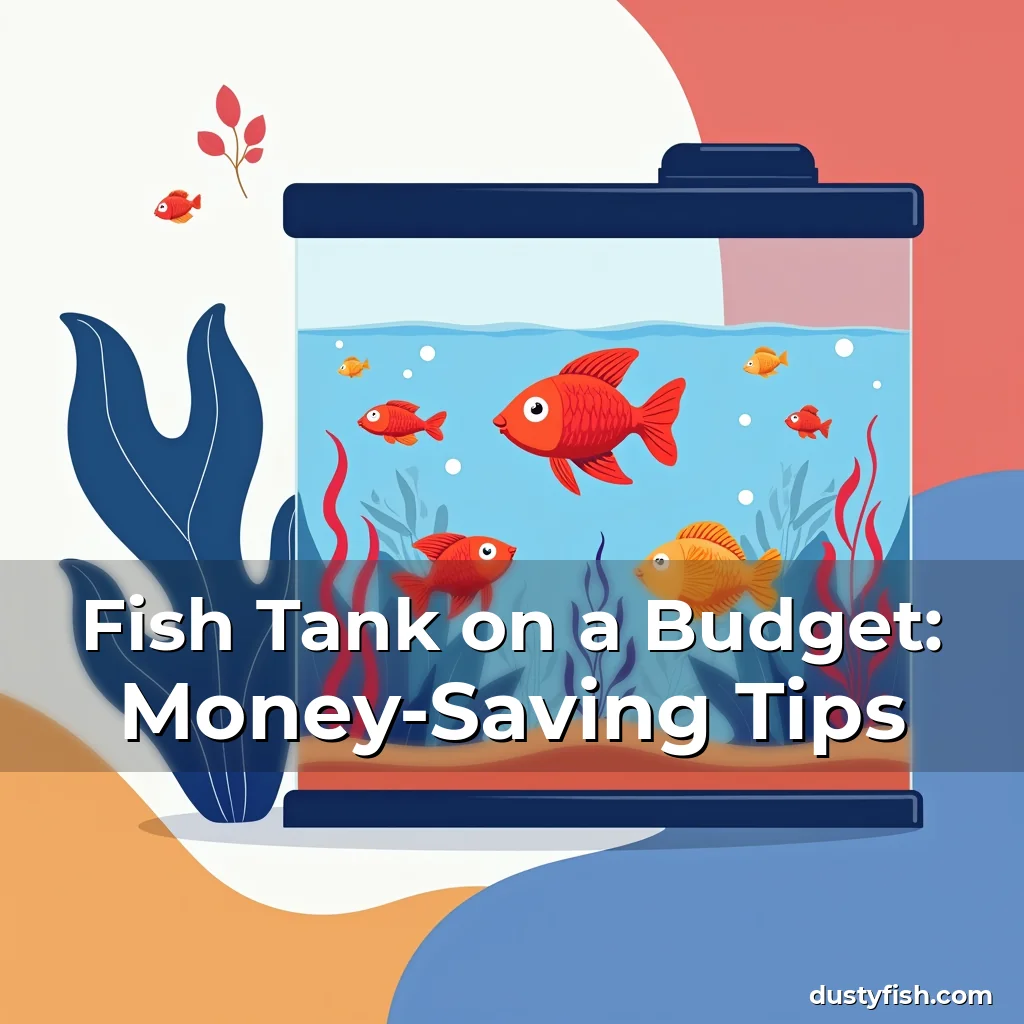
The Secret Life of Fish Tanks: From Setup to Sustainability
Fish tanks are more than just decorative additions to your home—they’re thriving ecosystems that require care, creativity, and knowledge. Whether you’re a beginner or a seasoned aquarist, understanding the intricacies of maintaining a healthy aquarium can transform your space into a serene underwater paradise.
A well-maintained fish tank offers benefits beyond aesthetics. It promotes mental wellness, teaches responsibility, and even contributes to environmental sustainability when managed properly. Dive deeper to uncover everything you need to know about building and nurturing a flourishing aquatic environment.
Understanding the Basics of Fish Tank Ecosystems
Before setting up your tank, it’s essential to grasp how these mini worlds function. A fish tank operates as a closed ecosystem where biological processes maintain balance. Key components include water chemistry, filtration systems, plants, and beneficial bacteria that break down waste.
Water parameters such as pH levels, temperature, and ammonia/nitrate concentrations determine the health of both fish and plants. Regular testing ensures stability, preventing issues like algae blooms or fish diseases caused by imbalances.
- Biofiltration: Beneficial nitrifying bacteria convert toxic ammonia from fish waste into less harmful nitrites and eventually nitrates, which plants consume.
- Lighting: Proper illumination supports plant growth while avoiding excess light that could lead to algae proliferation.
Selecting the Right Equipment for Your Fish Tank
Choosing suitable equipment sets the foundation for long-term success. Factors like tank size, type of fish, and intended decor influence what tools and accessories you’ll need. Prioritize quality to reduce maintenance headaches later.
Begin with a reliable filter designed for your tank volume. Mechanical, chemical, and biological filtration layers work together to purify water. Pair it with an adjustable heater to maintain stable temperatures for tropical species, ensuring comfort and longevity.
Tank Size and Shape Considerations
Larger tanks offer greater stability due to their increased water volume, diluting toxins more effectively than smaller setups. Avoid overcrowding; research your chosen fish species’ adult sizes and social behaviors before purchasing.
Cylindrical or hexagonal tanks may present cleaning challenges compared to rectangular designs. Rectangular glass tanks allow better visibility and easier access for routine tasks like vacuuming gravel or pruning plants.
Habitat Design: Creating a Natural Underwater Landscape
An aesthetically pleasing layout enhances fish welfare by mimicking their natural habitats. Substrate choices, rock arrangements, and live plants all contribute to a stress-free living environment for aquatic life.
Gravel vs. Sand: Gravel provides excellent surface area for beneficial bacteria colonization, making it ideal for freshwater tanks. Sand suits saltwater environments or planted setups but requires careful management to prevent compaction.
Rockwork: Arrange driftwood and smooth rocks strategically to form hiding spots and territories. Ensure gaps between objects for easy cleaning while replicating reef-like structures or riverbed textures depending on your theme.
Stocking Your Tank: Compatibility and Care Requirements
Research compatibility thoroughly before adding any fish, shrimp, or snails. Aggressive species, incompatible temperaments, or mismatched dietary needs can quickly turn your peaceful aquarium into chaos.
Schooling fish like neon tetras thrive in groups of six or more, while bettas prefer solitude despite their colorful appearance. Cycled tanks with established biofilters support safer introductions of new inhabitants.
- Invertebrates: Shrimp and snails help control algae and detritus but require optimal water conditions to survive.
- Predator Species: Oscars, puffers, and some cichlids demand specialized diets and spacious accommodations.
Nourishing Lives: Feeding Strategies for Optimal Health
Proper nutrition is vital for vibrant colors, robust immune systems, and prolonged lifespan. Offer varied meals tailored to your pets’ preferences while avoiding overfeeding—which leads to poor water quality and obesity.
Daily feedings lasting two minutes ensure fish eat enough without becoming gluttonous. Use sinking pellets for bottom-dwellers like catfish and floating flakes for mid-level swimmers such as rasboras.
Supplemental Nutrition and Water Quality Impact
Vitamin-enriched foods enhance color intensity in discus, angelfish, and guppies. Freeze-dried brine shrimp boost protein intake for active predators like labyrinth fish.
Feeding frequency affects nitrogen cycling rates—if you skip feeding occasionally, monitor ammonia spikes closely during tank cycles. Overfeeding accelerates waste accumulation, increasing filtration strain and risking illness outbreaks.
Maintenance Routines: Keeping Things Running Smoothly
Daily checks reveal early signs of trouble. Look for cloudy water, unusual behavior patterns, or sudden changes in appetite that signal potential problems needing immediate attention.
Weekly partial water changes (around 25%) refresh minerals, remove accumulated toxins, and sustain beneficial bacterial colonies within filters. Always dechlorinate fresh tap water using safe conditioners before adding it back.
- Filter Media Replacement: Replace mechanical media every few weeks; rinse biological filters gently under old tank water rather than tap.
- Algae Control: Use algae scrapers weekly on glass surfaces and trim plants regularly to limit nutrient buildup promoting excessive growth.
Advanced Techniques: Enhancing Beauty Through Technology
Modern technology simplifies many aspects of aquarium keeping—from automated dosing pumps measuring trace elements precisely to CO₂ injectors enhancing plant photosynthesis efficiency significantly.
Smart sensors continuously monitor pH, conductivity, oxygen levels, etc., alerting via smartphone apps whenever thresholds exceed preset limits. Some models integrate directly with Wi-Fi enabled heaters or lights offering remote adjustments anywhere anytime.
Eco-Friendly Innovations Making Waves
Solar-powered LED lighting reduces electricity costs dramatically compared traditional options. Recirculating greywater systems treat household wastewater efficiently enough safely used in non-potable applications like rinsing fish food containers.
Eco-Aquaponics: Combine fish farming with hydroponic vegetable cultivation inside shared systems. Excess nutrients fed to plants cycle cleanly through integrated pump networks minimizing overall consumption requirements dramatically saving resources simultaneously benefiting humans animals alike.
Community Building Within the Dustyfish Network
The Dustyfish community thrives on shared experiences and knowledge exchange among enthusiasts worldwide. Engage actively through forums, meetups, online tutorials to grow skills continually learn from others mistakes successes alike!
Participate local events workshops organized regular basis featuring expert speakers discussing latest trends advancements shaping future directions industry forever expanding horizons available hobbyists everywhere always welcome newcomers seeking guidance.
Conclusion
Maintaining a successful fish tank blends science artistry patience discipline daily dedication ultimately rewarding journey enriches lives endlessly.
Whether crafting lush botanical landscapes hosting delicate corals nurturing diverse communities thriving beneath waves above—it’s never too late begin discovering wonders hidden aquatic realms awaits exploration today itself!


news is a contributor at DustyFish.com. We are committed to providing well-researched, accurate, and valuable content to our readers.
You May Also Like

How to Choose Fish Tank: Expert Guide
The Ultimate Guide to Choosing the Perfect Fish Tank for Your Home Aquascape In today's fast-paced world, creating an aquatic...
Fish Tank for Beginners: Getting Started
The Aquatic Paradise: A Beginner's Journey Into Fish Tank Ownership Welcome to the enchanting world of fish tank ownership! Whether...
The Sunfish of Stardew Valley: A Guide to Catching and Using
Fishing in Stardew Valley Fishing is a popular activity in Stardew Valley, and one of the many fish that can...
Common Fish Tank Mistakes to Avoid
Common Fish Tank Mistakes to Avoid Welcome to the world of fish keeping! Whether you're a seasoned aquarist or a...