


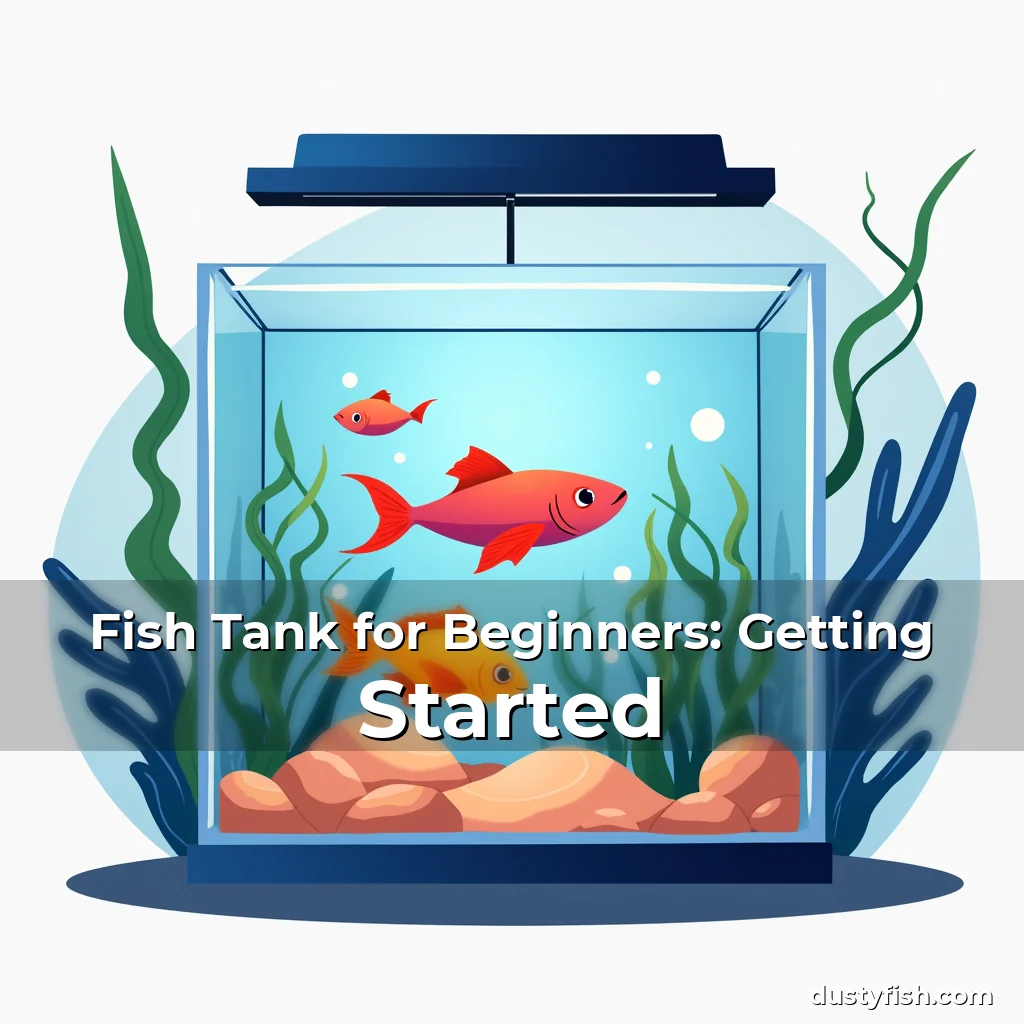
The Aquatic Paradise: A Beginner’s Journey Into Fish Tank Ownership
Welcome to the enchanting world of fish tank ownership! Whether you’re drawn to the mesmerizing dance of neon tetras or captivated by the serene presence of bettas, setting up a fish tank can transform any space into a vibrant aquatic sanctuary.
This guide delves deep into creating your underwater paradise, exploring everything from choosing the right equipment to understanding the delicate balance of water chemistry essential for thriving aquatic life.
Understanding Your First Fish Tank Setup
Your journey begins with selecting the perfect aquarium size based on your living space and long-term goals. While small desktop units might seem appealing initially, they often lead to frequent maintenance challenges due to limited volume and rapid changes in water parameters.
Aim for a minimum capacity of 20 gallons if starting with community tropical fish. This allows sufficient room for beneficial bacteria colonies to establish themselves properly before adding livestock.
- Consider future expansion: Opt for slightly larger tanks than immediately needed to accommodate potential upgrades or additional inhabitants later on.
- Location matters: Choose spots away from direct sunlight and drafty areas to prevent algae blooms and temperature fluctuations that could stress sensitive species.
Essential Equipment for a Thriving Aquarium Ecosystem
To create an optimal environment for your aquatic companions, invest in quality filtration systems capable of processing your tank’s entire volume several times hourly. Mechanical filters remove particulate matter while biological media houses nitrifying bacteria crucial for ammonia detoxification processes.
Select heaters calibrated specifically for freshwater or saltwater environments depending on your chosen species. Most tropical fish require stable temperatures between 76°F to 82°F (24°C to 28°C) achieved through consistent heater operation and digital monitoring devices.
Lighting Considerations for Different Species
Proper illumination plays a critical role in both plant growth and fish behavior patterns. LED lighting options offer energy efficiency combined with adjustable spectrums suitable for planted tanks or reef setups containing corals requiring specific wavelengths for photosynthesis.
Balancing light duration is equally vital – most planted aquariums benefit from 8-10 hours of daily illumination followed by darkness periods mimicking natural day-night cycles which support healthy biological rhythms in aquatic organisms.
Cycle Establishment: Preparing Your New Aquarium Environment
Before introducing any live animals, allow time for nitrogen cycle development through established methods such as the fishless cycling technique involving ammonia sources like pure ammonia solutions or commercial cycling products designed specifically for this purpose.
Maintain regular testing routines using liquid test kits measuring ammonia, nitrite, and nitrate levels during this phase until all readings stabilize below detectable thresholds safe for fish welfare standards.
Choosing Compatible Fish Species For Community Tanks
Research extensively about temperament compatibility among different fish types prior to purchasing specimens. Peaceful schooling species like danios coexist well together but may become targets for aggressive predators present in some mixed-species arrangements.
Gradually acclimate new arrivals to their new home by floating bags in the tank for approximately 15 minutes allowing gradual adaptation to temperature differences rather than abrupt exposure which could shock sensitive individuals.
- Size considerations: Larger fish generally produce more waste necessitating enhanced filtration capacities compared to smaller counterparts; always match stocking densities accordingly.
- Dietary needs: Some species require specialized feeding schedules including carnivorous preferences versus herbivore-based diets affecting overall ecosystem dynamics within closed systems.
Nutrition Strategies For Optimal Fish Health
Variety remains key when formulating balanced diets incorporating high-quality flake foods supplemented with frozen or live options offering essential nutrients missing from processed alternatives alone.
Schedule feedings at consistent intervals avoiding overfeeding which contributes to poor water quality issues through excess organic matter decomposition increasing ammonia production rates dangerously fast.
Water Quality Management Techniques
Regular partial water changes constitute foundational practices maintaining clean conditions free from harmful substances accumulating over time despite efficient filtration mechanisms.
Test water regularly using reliable reagent test kits assessing pH levels ideally between 6.5-7.5 range commonly preferred by most tropical freshwater fish although exceptions exist based upon specific habitat origins.
Common Challenges Encountered By Novice Hobbyists
Newcomers frequently encounter problems arising from improper setup procedures leading to sudden deaths caused by incorrect chemical balances or inadequate conditioning techniques applied prematurely.
Recognize early signs indicating distress such as labored breathing patterns, loss of appetite, or unusual coloration shifts potentially signaling underlying health complications needing immediate intervention.
Creating Stunning Visual Landscapes In Your Tank
Designing aesthetically pleasing habitats involves thoughtful selection of substrate materials ranging from smooth sand to colorful gravel options enhancing visual appeal while providing functional benefits supporting beneficial microorganism populations.
Incorporate natural decorations like driftwood pieces or rock formations strategically placed to mimic riverbed structures promoting territorial behaviors typical among certain species while also serving as anchoring points for aquatic plants establishing root systems securely.
Advanced Maintenance Practices For Long-Term Success
Establish routine cleaning protocols focusing primarily on filter media replacement schedules rather than excessive scrubbing sessions disrupting beneficial bacterial colonies residing within porous surfaces crucial for effective biological filtration functions.
Monitor electrical components periodically checking cords and outlets ensuring safe operation reducing risks associated with faulty wiring potentially causing hazardous situations impacting both human safety and aquatic life wellbeing simultaneously.
Conclusion
Embarking on the journey of fish tank ownership unveils endless possibilities for relaxation and learning experiences centered around nurturing beautiful ecosystems thriving under careful management practices.
Remember, patience proves essential during initial phases allowing nature’s cycles unfold organically rather than rushing toward instant gratification which often leads to frustration stemming from mismanaged expectations.


news is a contributor at DustyFish.com. We are committed to providing well-researched, accurate, and valuable content to our readers.
You May Also Like

How to Choose Fish Tank: Expert Guide
The Ultimate Guide to Choosing the Perfect Fish Tank for Your Home Aquascape In today's fast-paced world, creating an aquatic...

Save Money on Water Bills in Texas: Tips for Cutting Down on Expenses
Water Conservation in the Home • Limit bathroom flushing to only when necessary, such as after using the toilet or...
Tilapia in Stardew Valley: The Elusive Summer Fish
Tilapia is a fish that is notoriously difficult to catch in the game, despite the numerous resources available to help....

Unlocking the Secrets of Peace Lilies
**The Power of Peace Lilies** The Benefits of Peace Lilies • Air-purifying qualities • Low-maintenance • Over 50 varieties •...