Fish Care on a Budget: Money-Saving Tips

Artistic representation for Fish Care on a Budget: Money-Saving Tips

Fish Care on a Budget: Money-Saving Tips for Happy Aquatic Friends

Fishkeeping brings joy, relaxation, and a sense of accomplishment—but it doesn’t have to come at a high price. Whether you’re new to aquaristics or looking to streamline your existing setup, smart fish care strategies can save you money while ensuring your aquatic companions thrive.

This guide dives deep into practical, affordable methods for nurturing fish health and happiness. From selecting budget-friendly gear to mastering low-cost maintenance techniques, you’ll discover how to build a thriving underwater world without overspending.

The Foundation: Building Your Aquarium Wisely

A well-planned aquarium starts with choosing the right size and shape. A larger tank often means fewer frequent cleanings and better stability for water conditions. Opt for a glass or acrylic tank with a flat front panel, avoiding overly ornate designs that drive up costs unnecessarily.

When purchasing your tank, consider second-hand options or discounted models. Many local pet stores offer gently used tanks at a fraction of the retail price. Always inspect for cracks, leaks, or scratches before buying.

  • Selecting the Right Filtration: A basic hang-on-back filter suffices for most beginner setups. Brands like Eheim and Fluval offer durable, long-lasting units that outperform cheaper alternatives in terms of efficiency and longevity.
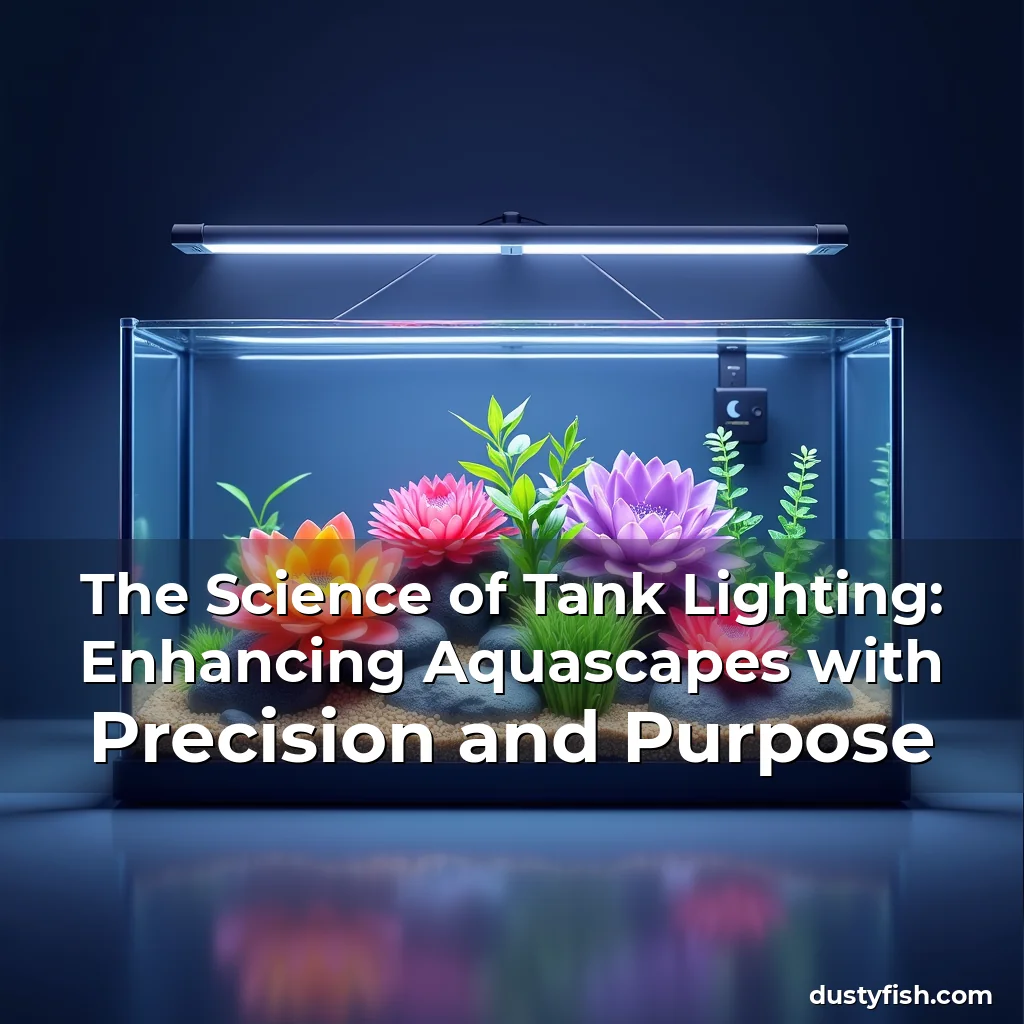
  • Lights and Lighting: LED strips designed for plant growth can illuminate your tank beautifully without excessive energy bills. Look for models with adjustable brightness and color temperature settings.

Cheap and Effective Decorations

Your aquarium’s aesthetic plays a role in both your enjoyment and your fish’s well-being. Natural materials like driftwood, live plants, and pebbles add visual appeal while promoting biological activity. Driftwood pieces sold in bulk at gardening centers provide excellent value compared to specialty retailers.

For artificial decorations, opt for plastic or resin replicas instead of expensive ceramic statues. Ensure surfaces are smooth to prevent injury to delicate fins. Incorporate floating plants like water lilies to create shaded areas where shy species can retreat.

Budget-Friendly Plant Choices

Live plants oxygenate the water, absorb nitrates, and enhance the aquarium’s beauty. Species like Java fern, Anubias, and mosses require minimal light and nutrients, making them ideal for beginners. Purchase plant roots or rhizomes from online forums or local growers who sell surplus stock.

Recommended Reading: Fish Care for Small Spaces

If live plants seem daunting, decorative silk plants offer an easy alternative. Choose ones made from non-toxic plastics that won’t leach chemicals into the water. Replace them periodically to maintain a fresh appearance.

Nourishing Fish Without Breaking the Bank

Feeding habits significantly impact both your wallet and your pets’ health. High-quality commercial foods form the foundation of most diets, but supplementing with inexpensive frozen or freeze-dried options keeps things interesting for your aquatic friends.

Purchase food in bulk whenever possible. Freeze-dried brine shrimp, bloodworms, and daphnia are popular favorites that many fish relish. Store unused portions in airtight containers to preserve freshness and extend shelf life.

  • Homemade Treats: Some hobbyists prepare homemade gel food using spirulina powder mixed with agar-agar. This protein-rich snack provides essential vitamins and minerals at little cost.
  • Diet Rotation: Varying meal types prevents nutritional deficiencies and stimulates natural foraging behaviors. Offer flakes, pellets, and occasional treats in alternating cycles.

Maintaining Water Quality on a Budget

Regular testing ensures optimal living conditions for your fish. Basic test kits measure pH, ammonia, nitrite, and nitrate levels accurately. Invest in a reliable kit with clear color charts rather than relying on digital meters which may be prone to calibration issues.

Perform partial water changes weekly using tap water conditioned with dechlorinators available at drugstores or hardware shops. Aim to replace approximately 20% of the volume each time to avoid shocking sensitive species with sudden parameter shifts.

DIY Solutions for Common Problems

Cloudy water often results from excess organic waste or bacterial blooms. Introduce beneficial bacteria cultures once per month by adding small amounts of aged gravel or substrate from established tanks. This promotes biological filtration without costly products.

To combat algae growth, limit direct sunlight exposure and adjust feeding quantities. Manual scrubbing with soft brushes removes persistent buildup efficiently. Consider installing a simple UV sterilizer unit if algae becomes unmanageable, though this addition increases electrical usage slightly.

You Might Also Enjoy: Fish Care Best Practices 2025

Cost-Efficient Equipment Upgrades

While modern technology offers advanced features, many older devices still perform adequately for general purposes. Used heaters, thermometers, and air pumps frequently appear on classified ads websites or community boards at bargain prices.

Before replacing any component, troubleshoot potential malfunctions first. Simple fixes like cleaning intake screens or checking power connections resolve common problems without needing brand-new parts. Regular maintenance extends device lifespan considerably.

Community Resources & Knowledge Sharing

Joining online forums and social media groups allows sharing experiences and acquiring free advice from experienced members. Websites dedicated to specific breeds or regions host extensive libraries containing tutorials, troubleshooting guides, and product comparisons.

Local clubs often organize meetups where enthusiasts trade supplies, barter services, and exchange knowledge. These gatherings foster camaraderie while reducing expenses associated with professional consultations or specialized purchases.

Preparing for Emergencies

Sudden illnesses or accidents demand quick responses to protect vulnerable aquatic lives. Keep emergency tools handy including spare filters, backup power sources, and temporary holding containers made from repurposed buckets or bowls lined with wet paper towels.

Create a list of nearby veterinary clinics familiar with exotic pets. Although rare emergencies rarely occur, being prepared minimizes panic situations. Store contact information alongside medical records for easy access during crises.

Educational Investment Pays Off Long Term

Taking courses related to ichthyology or aquaculture improves decision-making abilities regarding care routines and problem-solving approaches. Free webinars hosted by universities or conservation organizations provide accessible learning opportunities covering diverse topics.

Reading books authored by certified professionals adds credibility to DIY projects undertaken at home. Libraries loan copies inexpensively while e-books remain permanently stored digitally. Both formats expand technical expertise safely.

Conclusion

With thoughtful planning and resourcefulness, outstanding fish care remains achievable regardless of financial constraints. Prioritizing essentials like stable environments, balanced nutrition, and preventive measures forms a strong basis for success.

By adopting mindful consumption patterns and leveraging available support networks, anyone can cultivate vibrant aquatic ecosystems sustainably. Remember, patience and consistent effort yield rewarding results far beyond monetary considerations alone.

news

news is a contributor at DustyFish.com. We are committed to providing well-researched, accurate, and valuable content to our readers.

About news

Expert in fishing with years of experience helping people achieve their goals.

View all posts by news →

Leave a Reply

About | Contact | Privacy Policy | Terms of Service | Disclaimer | Cookie Policy
© 2026 DustyFish.com. All rights reserved.