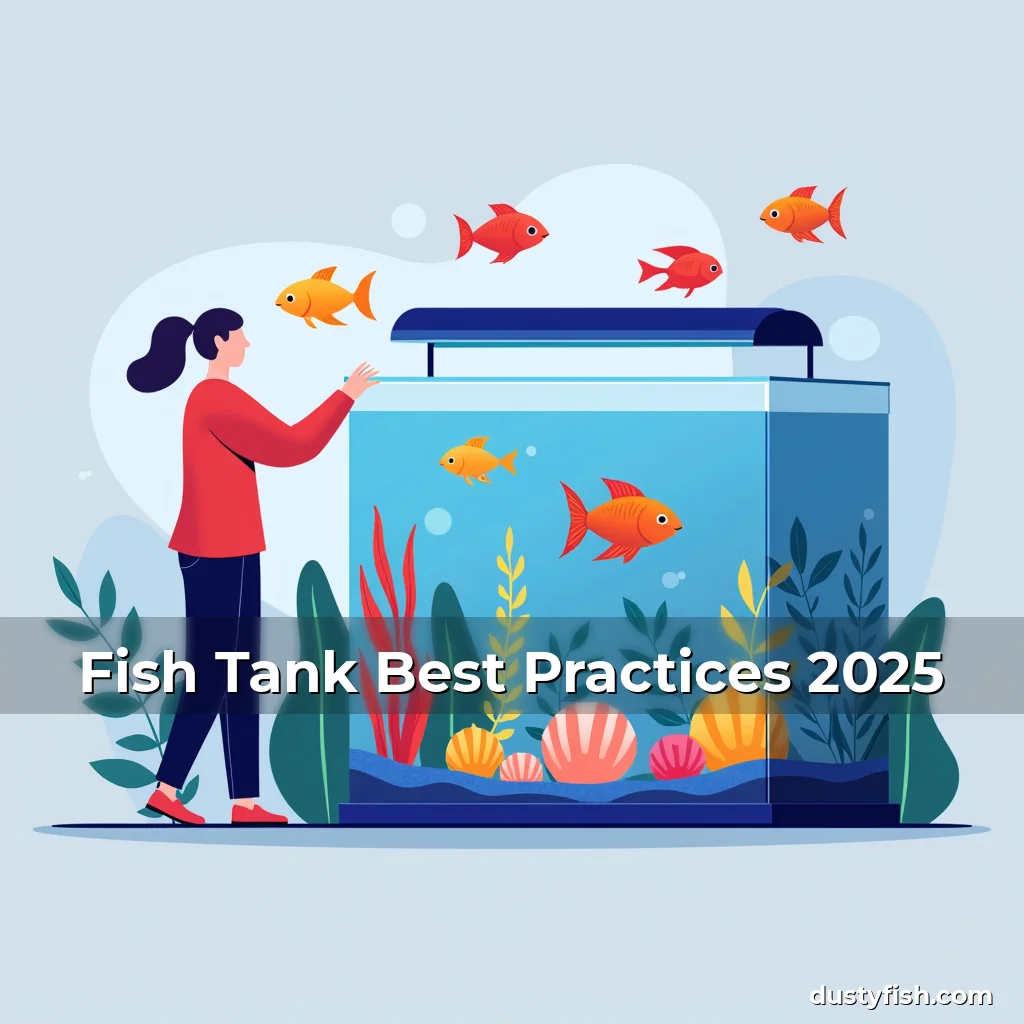
Fish Tank Best Practices 2025
In an era where home environments are increasingly viewed as extensions of personal well-being, maintaining a fish tank has evolved beyond mere aesthetics—it’s now considered a vital component of holistic living. This guide delves into advanced strategies that go beyond basic maintenance, offering insights tailored specifically for the DustyFish community.
The significance of modern aquarium care extends far beyond visual appeal; it encompasses ecological balance, mental health benefits, and even subtle environmental impacts. By adopting these best practices, enthusiasts can transform their aquatic spaces into thriving ecosystems while enhancing their own quality of life.
Understanding Your Fish Tank Ecosystem
Aquariums function as miniature self-contained worlds requiring precise conditions to sustain aquatic life. The primary elements include water chemistry, filtration systems, lighting requirements, and biological processes crucial for long-term stability.
Maintaining optimal parameters such as pH levels between 6.8 and 7.4 ensures compatibility across various species. Regular testing kits allow hobbyists to monitor ammonia, nitrite, and nitrates—key indicators of overall system health.
Beyond chemical factors, physical aspects like temperature fluctuations must be controlled within safe ranges (typically 72°F–82°F). Sudden changes can stress inhabitants and compromise immune systems.
- Water hardness: Measured in dGH units, ideal values vary by species but generally fall between 6-12 degrees.
- Oxygenation: Adequate surface agitation through air stones or powerheads prevents stagnant zones and promotes gas exchange.
Selecting Appropriate Equipment
Choosing the right equipment forms the foundation of any successful aquarium setup. Factors influencing selection range from tank size and intended inhabitants to ambient room conditions affecting evaporation rates.
High-quality filters featuring mechanical, chemical, and biological media ensure effective waste removal while supporting beneficial bacteria colonies essential for nitrogen cycling. Canister filters often provide superior performance compared to hang-on-back models.
Lights play dual roles in both aesthetic presentation and photosynthesis support for planted tanks. LED options offer energy efficiency alongside customizable spectrums tailored to different plant needs.
Heaters require careful calibration based on desired temperatures and should always include built-in thermostats to prevent overheating incidents during power outages.
Cycle Management & Water Changes
Nitrogen cycle management remains fundamental to preventing toxic buildups that endanger aquatic life. Establishing mature biofiltration before adding livestock significantly reduces initial risks associated with new setups.
Daily partial water changes (usually 10%-25% weekly) help dilute accumulated toxins while replenishing trace minerals necessary for healthy growth. Using dechlorinated tap water is critical when topping off evaporated volumes.
Monitoring phosphate levels becomes particularly important in marine systems where excess nutrients fuel algae blooms despite regular cleaning routines. Testing every two weeks provides early warnings of potential imbalances.
Optimal Change Frequency
Established freshwater tanks typically benefit from biweekly 25% water changes, whereas reef systems may require monthly sessions due to differing mineral demands. Customizing schedules according to specific tank types enhances effectiveness.
Using siphons equipped with gravel vacuums allows simultaneous debris removal without disturbing substrate layers excessively—an especially useful technique for planted aquascapes.
Feeding Strategies for Optimal Health
Proper nutrition plays a pivotal role in sustaining vibrant aquatic communities. Overfeeding leads to uneaten food accumulation which rapidly deteriorates water quality through increased organic loading.
Varying diet composition by incorporating live foods, frozen alternatives, and commercially prepared pellets caters to diverse nutritional needs among tank residents. Researching individual dietary preferences minimizes malnutrition risks.
Scheduled feeding times create predictable patterns that encourage natural grazing behaviors observed in many species. Limiting feedings to once or twice daily aligns better with wild consumption habits.
Observing post-meal behavior helps detect digestive issues promptly. Lethargic responses or uncharacteristic aggression may indicate improper nutrient intake or underlying medical concerns.
Tank Design Principles
Ergonomic design considerations enhance both functionality and enjoyment derived from aquarium keeping. Strategic placement relative to furniture arrangements maximizes visibility while minimizing obstructions.
Incorporating background panels or driftwood accents creates visually appealing focal points without overcrowding limited space. These features also serve practical purposes like reducing glare reflections.
Ensuring adequate clearance around tank sides facilitates routine maintenance tasks such as filter cleaning or glass wiping without risking accidental damage to delicate components.
For multi-tiered setups involving connected sumps or refugiums, structural reinforcement becomes essential to maintain integrity under combined weights and pressure distributions.
Common Issues & Troubleshooting Techniques
Identifying common problems enables prompt intervention before they escalate into serious threats. Cloudy water appearance often signals bacterial overgrowth rather than simple dirt buildup.
Testing reagents reveal hidden imbalances invisible to casual observation. Ammonia spikes usually stem from inadequate filtration capacity or sudden population increases exceeding system capabilities.
Algae outbreaks frequently result from excessive light exposure durations exceeding recommended thresholds. Adjustments to photoperiod length coupled with targeted scrubbing resolve most cases effectively.
Pest infestations like snail colonies growing uncontrollably demand immediate action through manual removal supplemented by appropriate medications if necessary.
Community Engagement & Educational Resources
Active participation within enthusiast networks fosters knowledge sharing and troubleshooting assistance unavailable elsewhere. Online forums dedicated to specific species groups offer specialized advice addressing niche challenges.
Local clubs organize workshops covering everything from beginner setups to advanced breeding techniques, creating opportunities for hands-on learning experiences outside traditional classroom settings.
Documentaries focusing on coral reefs or deep-sea creatures inspire deeper appreciation for aquatic biodiversity while highlighting conservation efforts underway globally.
Participating in citizen science projects contributes meaningful data toward scientific research initiatives studying climate change effects on underwater habitats worldwide.
Future Trends in Aquarium Technology
Advancements in smart technology promise greater control and monitoring capabilities for aquarium owners. IoT-enabled devices transmit real-time updates regarding water parameters directly to mobile applications.
Biodegradable materials used in filter media production reduce environmental impact while maintaining comparable efficacy against conventional synthetic alternatives.
Artificial intelligence integration assists in predicting maintenance intervals based on historical usage patterns and current system status metrics collected continuously via sensors embedded throughout the ecosystem.
Customizable lighting systems utilizing programmable timers simulate natural day-night cycles precisely calibrated to match seasonal variations occurring outdoors.
Conclusion
This exploration of fish tank best practices highlights how meticulous attention to detail transforms standard aquariums into flourishing microhabitats worthy of admiration. Every element—from water chemistry to technological innovations—contributes uniquely towards achieving harmony within enclosed aquatic environments.
By embracing continuous education and staying informed about emerging developments shaping the industry, members of the DustyFish community can elevate their passion into scientifically sound stewardship benefiting both pets and planet alike.

news is a contributor at DustyFish.com. We are committed to providing well-researched, accurate, and valuable content to our readers.