The Art of Aquatic Harmony: Mastering Fish Care for Thriving Underwater Ecosystems
In the intricate world of aquatic ecosystems, maintaining fish health requires far more than basic water changes and feeding schedules. The art of fish care is an evolving science that blends biology, chemistry, and environmental design to create sustainable underwater environments.
This comprehensive guide delves into advanced techniques for professional aquarists and passionate hobbyists alike, covering everything from water parameter optimization to behavioral enrichment strategies that promote natural instincts in captive fish populations.
Foundations of Optimal Water Chemistry
Establishing stable water conditions forms the bedrock of successful fishkeeping. While general knowledge often focuses on pH levels, true mastery involves understanding the complex interplay between various chemical parameters.
Aquarium water must maintain precise levels of ammonia (NH3), nitrite (NO2-), and nitrate (NO3-) through effective biological filtration. These compounds exist in dynamic equilibrium influenced by factors such as temperature, salinity, and organic load.
- Dissolved oxygen levels: Oxygen saturation significantly impacts metabolic rates, especially for active species like cichlids and certain tetras. Maintaining at least 6 mg/L dissolved oxygen ensures adequate respiration across diverse fish genera.
- Total alkalinity: This measures buffering capacity against pH fluctuations. Ideal ranges vary by species but typically fall between 80-120 KH units for most freshwater systems.
Regular monitoring using calibrated test kits provides essential data for proactive management rather than reactive troubleshooting. Automated dosing systems can help maintain consistent mineral concentrations when properly configured.
Water hardness (GH) affects osmoregulation processes in teleosts. Species originating from hard water regions may require calcium/magnesium supplements to replicate their natural environment accurately.
Cycle Management Through Biological Filtration
Nitrogen cycling remains fundamental to aquarium maintenance despite advancements in technology. Beneficial bacteria colonies establish nitrification pathways that convert toxic ammonia into less harmful nitrates through sequential oxidation stages.
Properly functioning biofilters house Nitrosomonas and Nitrobacter species responsible for these transformations. Media types ranging from ceramic rings to live rock influence bacterial colonization efficiency based on surface area available.
Maintaining filter media integrity prevents loss of established beneficial microbes during routine cleaning procedures. Partial media replacements rather than full system cleanouts preserve microbial balance crucial for efficient waste processing.
Some aquarists employ refugiums containing macroalgae to naturally absorb excess nutrients while providing additional habitat complexity that benefits both plants and animals within closed-loop systems.
Fish Nutrition Science & Feeding Strategies
Optimizing dietary intake goes beyond selecting colorful flakes or pellets. Understanding nutritional requirements according to species-specific physiology enables tailored feeding regimens that enhance vitality and longevity.
Variety in diet composition mimics natural foraging behaviors observed in wild populations. Rotating protein sources among crustaceans, worms, and plant matter replicates omnivorous tendencies seen in many common aquarium inhabitants.
- Purchase frequency: Fresh foods should be acquired regularly to prevent nutrient degradation. Frozen alternatives offer convenience without compromising quality when stored appropriately.
- Dietary ratios: A balanced approach maintains 30% animal protein, 40% vegetable matter, and 30% commercial formulations adjusted according to individual species needs.
Gut-loading practice enhances nutrient transfer when offering feeder insects or worms. Ensuring prey items are well-fed before introduction maximizes nutritional value delivered to predator species.
Scheduled feeding times establish predictable routines that support digestive health. Most fish benefit from multiple small meals daily rather than infrequent large portions which can lead to overeating episodes.
Habitat Enrichment and Behavioral Stimulation
Creating stimulating environments fulfills intrinsic motivations present in all vertebrates. Thoughtful habitat design encourages natural exploratory behaviors while preventing boredom-induced stress responses.
Vertical space utilization becomes critical for species exhibiting territorial aggression or schooling tendencies. Providing varied elevation opportunities helps manage social dynamics within multi-species tanks.
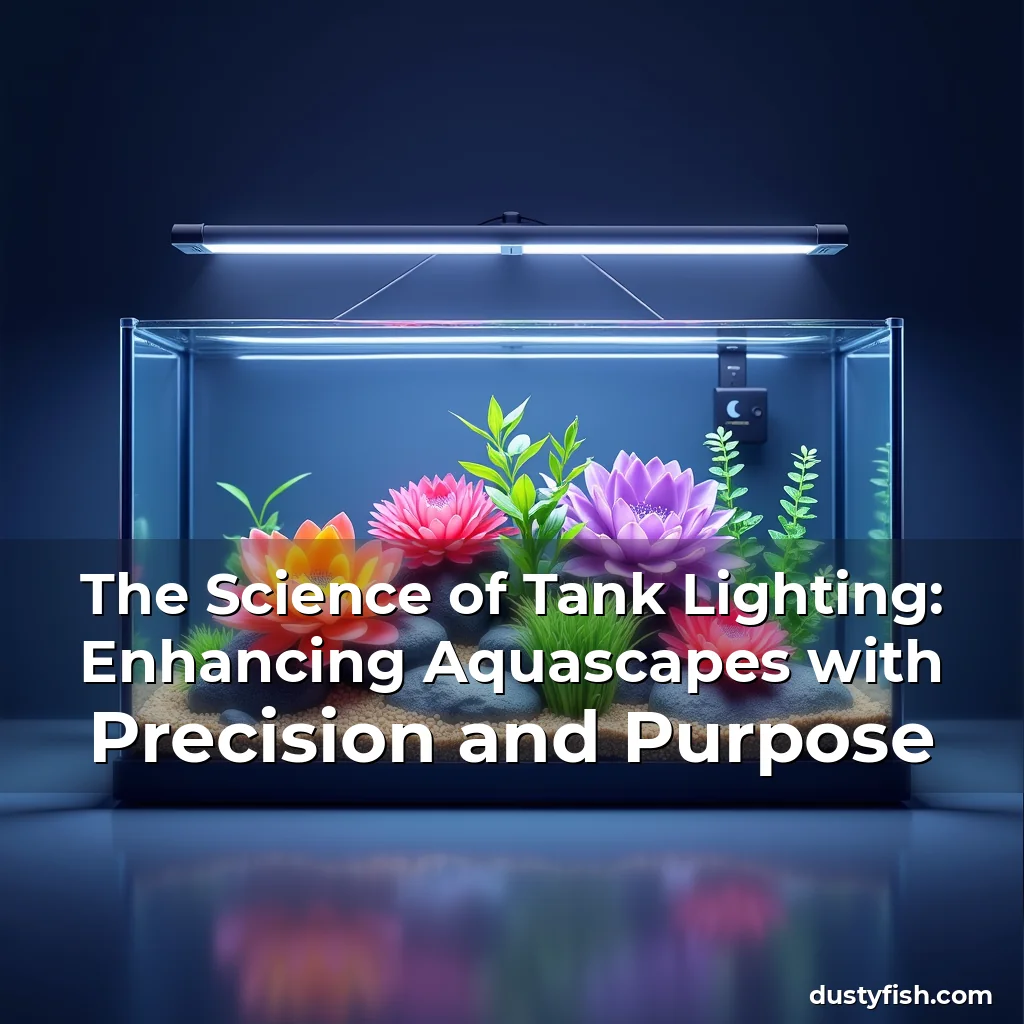
Live plants serve dual purposes as both aesthetic elements and functional components contributing to water quality stability. Rooted vegetation supports microfauna communities that form base layers of food webs.
Current generation devices mimic riverine flow patterns appropriate for specific geographic origins. Adjustable pumps allow customization of water movement intensity matching native habitats of tank occupants.
Disease Prevention Protocols
Implementing disease prevention strategies reduces reliance on medicinal treatments which can disrupt ecosystem balances. Proactive measures centered around hygiene practices and early detection mechanisms prove more effective long-term solutions.
New acquisitions undergo quarantine periods lasting at least three weeks to observe any latent symptoms before integration into display systems. Isolation tanks equipped with separate filtration infrastructure enable safe observation protocols.
Regular inspection routines focus on gill structure integrity, fin condition assessment, and coloration consistency. Early identification of parasitic infections allows prompt isolation and targeted treatment application.
Quarantine protocols extend beyond visual inspections; they also involve testing new livestock for potential pathogens through microscopic analysis of mucus samples collected via swabbing methods.
Tank Maintenance Best Practices
Efficient maintenance routines minimize disruption to aquatic life cycles while preserving water quality standards. Strategic scheduling of tasks aligns with biological rhythms governing waste production cycles.
Partial water exchanges replace approximately 20-30% of total volume weekly depending on stocking density metrics. Using dechlorinated tap water matched closely to existing parameters prevents sudden environmental shifts.
Filter upkeep includes inspecting mechanical media for debris accumulation, checking biological components for signs of deterioration, and ensuring powerheads remain free from obstructions affecting circulation patterns.
Algae control balances aesthetics with ecological function. Introducing grazing organisms like snails or shrimp helps regulate growth while avoiding excessive removal that could destabilize nutrient cycling processes.
Breeding Programs and Population Dynamics
Successful breeding efforts depend on recreating optimal spawning conditions derived from field observations of wild counterparts. Environmental cues including light cycles and water temperatures play pivotal roles in reproductive readiness.
Sexual dimorphism manifests differently among species requiring careful examination for identifying breeders. Some fish exhibit pronounced differences while others show subtle variations only detectable under magnification.
Spawning substrates selection varies widely – some prefer flat surfaces whereas others seek crevices or specialized structures designed specifically for egg deposition activities.
Post-spawning care involves separating fry from adults promptly to prevent cannibalistic behaviors commonly observed after reproductive events occur.
Raising offspring demands attention to developmental milestones. Adjusting water hardness gradually matches juvenile physiological needs differentiating them from adult requirements during metamorphic phases.
Advanced Monitoring Technologies
Modern aquaristics increasingly integrates smart technologies enhancing precision in environmental regulation. Sensors provide continuous monitoring capabilities surpassing traditional manual testing limitations.
IoT-enabled controllers automate adjustments to lighting intensities, heater outputs, and pump speeds based on preprogrammed thresholds aligned with desired living conditions.
Data logging features allow retrospective analysis of fluctuation trends helping identify underlying causes behind unexpected parameter deviations occurring over time spans.
Remote access functionality enables real-time oversight even when away from home. Mobile applications notify users about alarm conditions requiring immediate intervention when thresholds get exceeded.
Community Engagement and Knowledge Sharing
Active participation within enthusiast networks fosters collective learning experiences benefiting newcomers seeking guidance from experienced members. Regular forums discussions reveal emerging best practices shaping future standards.
Workshops and seminars facilitate hands-on training sessions covering topics from equipment setup to emergency response procedures applicable during crisis situations.
Collaborative projects involving citizen scientists contribute valuable research data supporting conservation initiatives focused on endangered aquatic species preservation programs.
Sharing personal successes and challenges promotes inclusive discourse where individuals learn from each other’s experiences regardless of expertise level distinguishing novices from seasoned professionals.
Conclusion
Mastery of fish care transcends mere survival tactics towards achieving thriving, self-sustaining aquatic ecosystems mirroring natural environments as closely as possible. Every element discussed contributes uniquely to creating harmonious underwater worlds.
By applying these principles consistently and adapting techniques according to changing circumstances, aquarists cultivate resilient aquatic communities capable of sustaining themselves indefinitely through informed stewardship practices.
“`
The Art of Aquatic Harmony: Mastering Fish Care for Thriving Underwater Ecosystems
In the intricate world of aquatic ecosystems, maintaining fish health requires far more than basic water changes and feeding schedules. The art of fish care is an evolving science that blends biology, chemistry, and environmental design to create sustainable underwater environments.
This comprehensive guide delves into advanced techniques for professional aquarists and passionate hobbyists alike, covering everything from water parameter optimization to behavioral enrichment strategies that promote natural instincts in captive fish populations.
Foundations of Optimal Water Chemistry
Establishing stable water conditions forms the bedrock of successful fishkeeping. While general knowledge often focuses on pH levels, true mastery involves understanding the complex interplay between various chemical parameters.
Aquarium water must maintain precise levels of ammonia (NH3), nitrite (NO2-), and nitrate (NO3-) through effective biological filtration. These compounds exist in dynamic equilibrium influenced by factors such as temperature, salinity, and organic load.
- Dissolved oxygen levels: Oxygen saturation significantly impacts metabolic rates, especially for active species like cichlids and certain tetras. Maintaining at least 6 mg/L dissolved oxygen ensures adequate respiration across diverse fish genera.
- Total alkalinity: This measures buffering capacity against pH fluctuations. Ideal ranges vary by species but typically fall between 80-120 KH units for most freshwater systems.
Regular monitoring using calibrated test kits provides essential data for proactive management rather than reactive troubleshooting. Automated dosing systems can help maintain consistent mineral concentrations when properly configured.
Water hardness (GH) affects osmoregulation processes in teleosts. Species originating from hard water regions may require calcium/magnesium supplements to replicate their natural environment accurately.
Cycle Management Through Biological Filtration
Nitrogen cycling remains fundamental to aquarium maintenance despite advancements in technology. Beneficial bacteria colonies establish nitrification pathways that convert toxic ammonia into less harmful nitrates through sequential oxidation stages.
Properly functioning biofilters house Nitrosomonas and Nitrobacter species responsible for these transformations. Media types ranging from ceramic rings to live rock influence bacterial colonization efficiency based on surface area available.
Maintaining filter media integrity prevents loss of established beneficial microbes during routine cleaning procedures. Partial media replacements rather than full system cleanouts preserve microbial balance crucial for efficient waste processing.
Some aquarists employ refugiums containing macroalgae to naturally absorb excess nutrients while providing additional habitat complexity that benefits both plants and animals within closed-loop systems.
Fish Nutrition Science & Feeding Strategies
Optimizing dietary intake goes beyond selecting colorful flakes or pellets. Understanding nutritional requirements according to species-specific physiology enables tailored feeding regimens that enhance vitality and longevity.
Variety in diet composition mimics natural foraging behaviors observed in wild populations. Rotating protein sources among crustaceans, worms, and plant matter replicates omnivorous tendencies seen in many common aquarium inhabitants.
- Purchase frequency: Fresh foods should be acquired regularly to prevent nutrient degradation. Frozen alternatives offer convenience without compromising quality when stored appropriately.
- Dietary ratios: A balanced approach maintains 30% animal protein, 40% vegetable matter, and 30% commercial formulations adjusted according to individual species needs.
Gut-loading practice enhances nutrient transfer when offering feeder insects or worms. Ensuring prey items are well-fed before introduction maximizes nutritional value delivered to predator species.
Scheduled feeding times establish predictable routines that support digestive health. Most fish benefit from multiple small meals daily rather than infrequent large portions which can lead to overeating episodes.
Habitat Enrichment and Behavioral Stimulation
Creating stimulating environments fulfills intrinsic motivations present in all vertebrates. Thoughtful habitat design encourages natural exploratory behaviors while preventing boredom-induced stress responses.
Vertical space utilization becomes critical for species exhibiting territorial aggression or schooling tendencies. Providing varied elevation opportunities helps manage social dynamics within multi-species tanks.
Live plants serve dual purposes as both aesthetic elements and functional components contributing to water quality stability. Rooted vegetation supports microfauna communities that form base layers of food webs.
Current generation devices mimic riverine flow patterns appropriate for specific geographic origins. Adjustable pumps allow customization of water movement intensity matching native habitats of tank occupants.
Disease Prevention Protocols
Implementing disease prevention strategies reduces reliance on medicinal treatments which can disrupt ecosystem balances. Proactive measures centered around hygiene practices and early detection mechanisms prove more effective long-term solutions.
New acquisitions undergo quarantine periods lasting at least three weeks to observe any latent symptoms before integration into display systems. Isolation tanks equipped with separate filtration infrastructure enable safe observation protocols.
Regular inspection routines focus on gill structure integrity, fin condition assessment, and coloration consistency. Early identification of parasitic infections allows prompt isolation and targeted treatment application.
Quarantine protocols extend beyond visual inspections; they also involve testing new livestock for potential pathogens through microscopic analysis of mucus samples collected via swabbing methods.
Tank Maintenance Best Practices
Efficient maintenance routines minimize disruption to aquatic life cycles while preserving water quality standards. Strategic scheduling of tasks aligns with biological rhythms governing waste production cycles.
Partial water exchanges replace approximately 20-30% of total volume weekly depending on stocking density metrics. Using dechlorinated tap water matched closely to existing parameters prevents sudden environmental shifts.
Filter upkeep includes inspecting mechanical media for debris accumulation, checking biological components for signs of deterioration, and ensuring powerheads remain free from obstructions affecting circulation patterns.
Algae control balances aesthetics with ecological function. Introducing grazing organisms like snails or shrimp helps regulate growth while avoiding excessive removal that could destabilize nutrient cycling processes.
Breeding Programs and Population Dynamics
Successful breeding efforts depend on recreating optimal spawning conditions derived from field observations of wild counterparts. Environmental cues including light cycles and water temperatures play pivotal roles in reproductive readiness.
Sexual dimorphism manifests differently among species requiring careful examination for identifying breeders. Some fish exhibit pronounced differences while others show subtle variations only detectable under magnification.
Spawning substrates selection varies widely – some prefer flat surfaces whereas others seek crevices or specialized structures designed specifically for egg deposition activities.
Post-spawning care involves separating fry from adults promptly to prevent cannibalistic behaviors commonly observed after reproductive events occur.
Raising offspring demands attention to developmental milestones. Adjusting water hardness gradually matches juvenile physiological needs differentiating them from adult requirements during metamorphic phases.
Advanced Monitoring Technologies
Modern aquaristics increasingly integrates smart technologies enhancing precision in environmental regulation. Sensors provide continuous monitoring capabilities surpassing traditional manual testing limitations.
IoT-enabled controllers automate adjustments to lighting intensities, heater outputs, and pump speeds based on preprogrammed thresholds aligned with desired living conditions.
Data logging features allow retrospective analysis of fluctuation trends helping identify underlying causes behind unexpected parameter deviations occurring over time spans.
Remote access functionality enables real-time oversight even when away from home. Mobile applications notify users about alarm conditions requiring immediate intervention when thresholds get exceeded.
Community Engagement and Knowledge Sharing
Active participation within enthusiast networks fosters collective learning experiences benefiting newcomers seeking guidance from experienced members. Regular forums discussions reveal emerging best practices shaping future standards.
Workshops and seminars facilitate hands-on training sessions covering topics from equipment setup to emergency response procedures applicable during crisis situations.
Collaborative projects involving citizen scientists contribute valuable research data supporting conservation initiatives focused on endangered aquatic species preservation programs.
Sharing personal successes and challenges promotes inclusive discourse where individuals learn from each other’s experiences regardless of expertise level distinguishing novices from seasoned professionals.
Conclusion
Mastery of fish care transcends mere survival tactics towards achieving thriving, self-sustaining aquatic ecosystems mirroring natural environments as closely as possible. Every element discussed contributes uniquely to creating harmonious underwater worlds.
By applying these principles consistently and adapting techniques according to changing circumstances, aquarists cultivate resilient aquatic communities capable of sustaining themselves indefinitely through informed stewardship practices.
“`
news is a contributor at DustyFish.com. We are committed to providing well-researched, accurate, and valuable content to our readers.