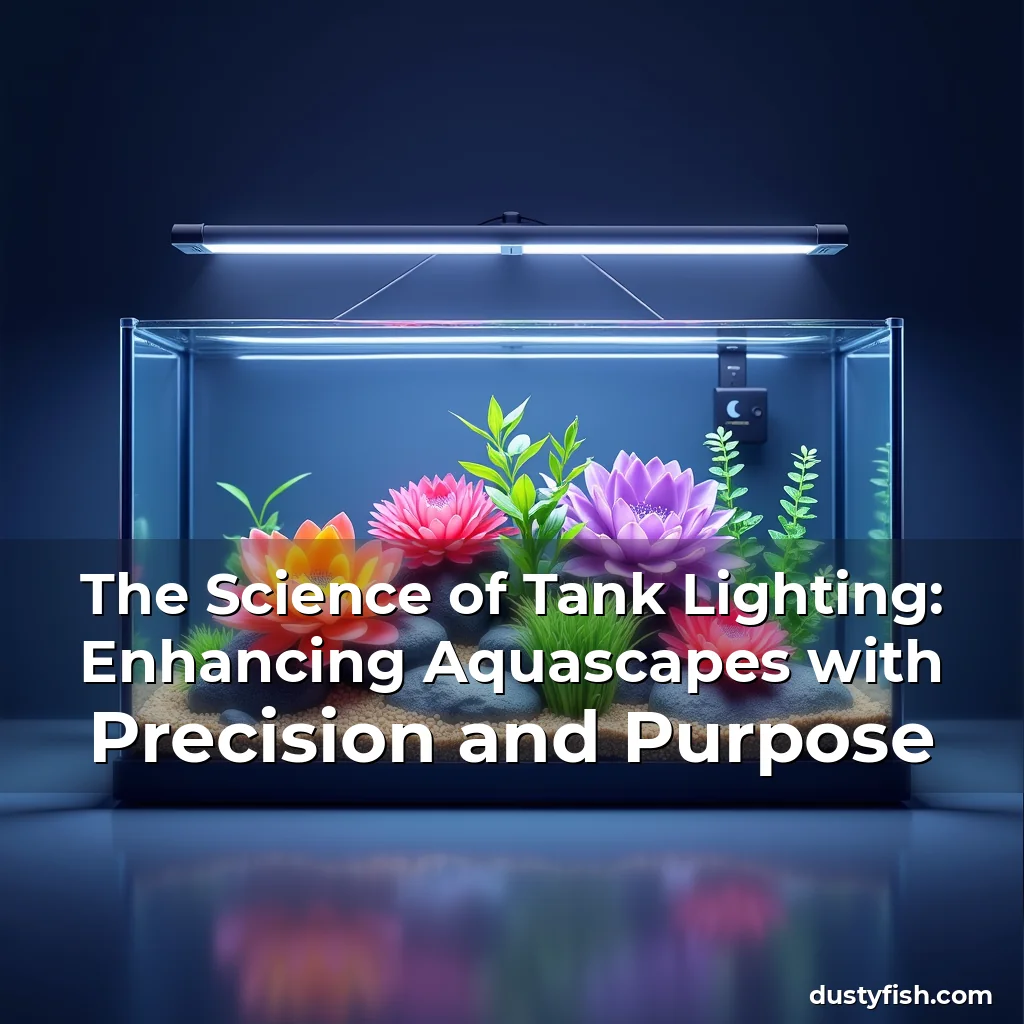
The Science of Tank Lighting: Enhancing Aquascapes with Precision and Purpose
Tank lighting transcends mere decoration—it is a critical element shaping the health, beauty, and functionality of any aquarium. Whether you’re cultivating lush underwater gardens or housing delicate marine creatures, understanding and mastering lighting systems can transform your tank into a thriving ecosystem.
From promoting vibrant plant growth to supporting circadian rhythms in aquatic life, lighting plays a multifaceted role. This guide delves deep into the world of tank lighting, offering insights to help both beginners and seasoned aquarists optimize their setups effectively.
Understanding the Basics of Tank Lighting
Tank lighting refers to the artificial illumination provided to aquarium environments to simulate natural sunlight. Its primary purpose extends far beyond visual appeal, encompassing essential functions like photosynthesis support, behavioral regulation, and aesthetic enhancement.
Properly calibrated lighting ensures that aquatic plants receive the necessary wavelengths for growth while also maintaining optimal living conditions for fish and other organisms. The balance between light intensity, duration, and quality determines the overall success of an aquarium.
- Light Intensity: Measured in lumens or PAR (Photosynthetically Active Radiation) values, intensity dictates how much energy reaches submerged surfaces, crucial for plant vitality.
- Spectrum: Different wavelengths influence pigmentation, growth patterns, and even reproductive cycles among aquatic species, making spectral accuracy vital.
Selecting the Right Type of Light Source
Choosing the appropriate light source depends heavily on the type of aquarium, its inhabitants, and desired outcomes. Common options include fluorescent tubes, LED panels, and specialized reef lights designed for saltwater ecosystems.
Fluorescent bulbs offer affordability and simplicity but may lack the versatility found in modern LED technologies. Meanwhile, LEDs provide superior energy efficiency, customizable spectrums, and longer lifespans, albeit often at a higher initial investment.
A Comparative Analysis: LEDs Versus Traditional Lights
LED lighting has revolutionized the aquarium industry with features like adjustable color temperature and programmable timers. Studies indicate that LEDs consume approximately 60% less electricity compared to traditional incandescent or fluorescent alternatives.
This significant reduction in power consumption not only lowers utility bills but also minimizes heat generation within tanks—an advantage particularly beneficial when managing tropical climates where excess warmth could harm sensitive species.
Determining Optimal Light Duration and Cycles
The length of daily exposure significantly impacts both flora and fauna. Most freshwater planted tanks thrive with 8–12 hours of simulated daylight per day, mimicking seasonal variations through automated controllers.
Varying photoperiod lengths seasonally helps maintain natural biological clocks in aquatic residents, preventing stress-related illnesses associated with constant artificial cycles devoid of environmental cues.
Decoding Color Temperatures and Their Impact
Color temperature, measured in Kelvin (K), influences perceived water clarity and organism behavior. Cooler tones (~6500K) promote blue hues ideal for showcasing corals, whereas warmer shades (~3000K) enhance reds and oranges typical in terrestrial landscapes reflected below surface waters.
Adjustments in color temperature can dramatically alter mood within an aquarium space, allowing owners greater creative control over ambiance without compromising functional needs tied directly to biological processes.
Maintaining Healthy Plant Growth Through Proper Illumination
Healthy aquatic vegetation relies on consistent access to full-spectrum white light covering visible ranges from violet to red. High-quality LED fixtures equipped with red/blue chips excel at stimulating chlorophyll production essential for robust leaf development.
Supplemental CO2 injection paired with adequate lighting intensifies metabolic activity in plants, accelerating growth rates while reducing chances of nutrient deficiencies manifesting visually as yellowed fronds or stunted stalks.
Caring for Marine Life with Appropriate Lighting Conditions
In marine environments, especially those containing soft corals or zooxanthellae symbionts, precise control over spectral outputs becomes paramount. Specialized actinic blue lamps facilitate photosynthetic reactions critical for sustaining symbiotic relationships necessary for coral survival.
Additionally, gradual acclimation periods are recommended whenever altering existing lighting schemes; abrupt changes might induce shock responses leading potentially to bleaching events detrimental to colony stability over time.
Troubleshooting Common Issues Related To Aquarium Lighting Systems
Excessive algae blooms frequently result from overexposure or incorrect wavelength distribution. Implementing timers set accurately according to established guidelines coupled with regular maintenance routines aids considerably in mitigating such problems preemptively.
If plants show signs of fading despite apparent sufficient illumination, checking bulb age against manufacturer specifications becomes imperative since older units gradually lose efficacy regardless of appearance indicating potential replacement necessity sooner rather than later.
Maximizing Aesthetics With Strategic Placement And Design Choices
Strategic placement enhances visibility of foreground elements without overshadowing midground focal points. Using directional lenses or reflectors allows concentrated beams targeting specific areas thereby improving depth perception within otherwise flat displays lacking dimensionality naturally afforded outdoors.
Layering different fixture types strategically creates dynamic interplay between shadows cast by structures placed intentionally within view zones contributing uniquely toward achieving cinematic effects reminiscent of professional film sets carefully staged for dramatic effect.
Conclusion
Tank lighting serves as foundational pillar upon which successful aquatic habitats rest. From ensuring biological well-being to enhancing visual storytelling capabilities inherent within glass enclosures, meticulous attention devoted to illumination choices yields profound benefits across myriad dimensions relevant to hobby pursuits.
To achieve mastery over this aspect requires continuous learning combined practical application testing diverse configurations until reaching equilibrium satisfying personal goals aligned perfectly with ecological realities governing respective ecosystems housed safely inside controlled indoor spaces worldwide now.

news is a contributor at DustyFish.com. We are committed to providing well-researched, accurate, and valuable content to our readers.